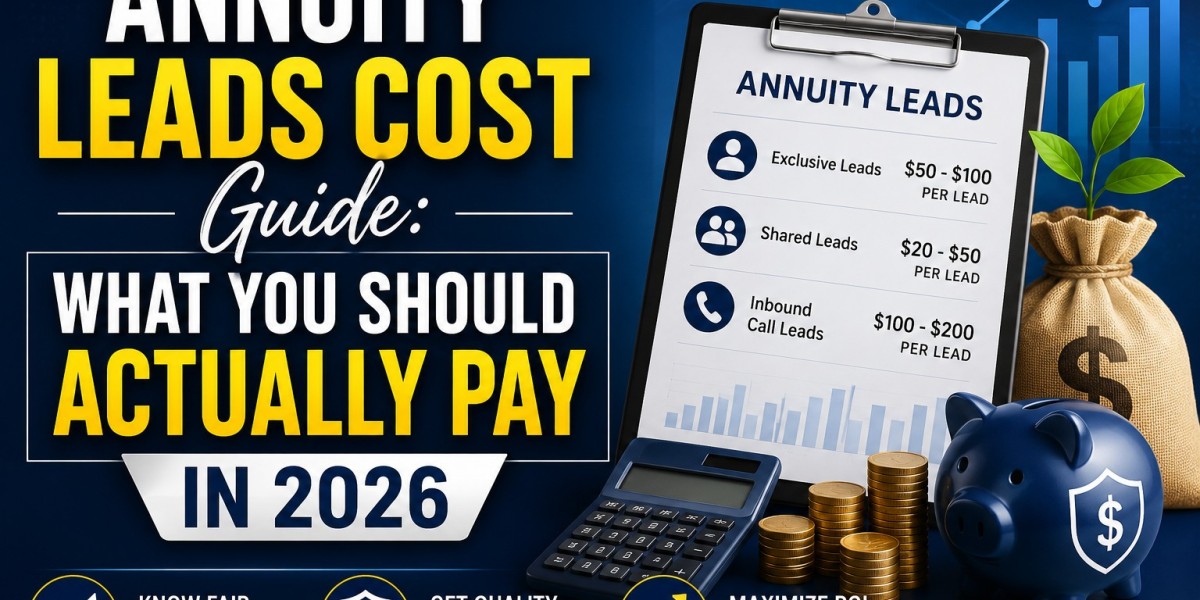

Annuity lead costs vary widely depending on exclusivity, source, and qualification level — from a few dollars for a shared internet lead to significantly more for an exclusive inbound call or live transfer. Understanding what drives that price difference is the key to spending your marketing budget where it actually produces closed cases, not just cheap contacts.
What Drives Annuity Lead Pricing
1. Exclusivity
Exclusive leads cost more because they're sold once, not split across multiple agents competing for the same prospect.
2. Lead Source
- Search/social form-fill leads: lower cost, lower intent
- Direct mail response: moderate cost, older/more qualified demographic
- Inbound call leads: higher cost, high intent
- Live transfers: highest cost, pre-qualified and delivered live
3. Filtering and Targeting
Leads filtered by age range, state, and investable asset minimums cost more than unfiltered, generic leads because the provider is doing more work to isolate the right prospect.
4. Freshness
Real-time delivery costs more than aged leads (leads generated weeks or months earlier and resold at a discount).
Typical Pricing Tiers (Relative Comparison)
| Lead Type | Relative Cost | Typical Close Rate | Best Use Case |
|---|---|---|---|
| Shared internet leads | $ | Lower | High-volume dialing, new agents |
| Aged leads | $ | Lower | Supplemental volume, nurture campaigns |
| Exclusive internet leads | $$ | Moderate-High | Core pipeline building |
| Direct mail response | $$ | Moderate-High | Retirement-age targeting |
| Inbound call leads | $$$ | High | Agents with live phone coverage |
| Live transfers | $$$$ | Highest | Closers who want qualified conversations |
Exact pricing varies by provider, region, and campaign volume — always request current rate sheets rather than relying on industry averages, since costs shift with ad platform pricing and demand.
The Real Metric: Cost Per Closed Case
Comparing lead types on sticker price alone is misleading. The formula that actually matters:
Cost per Lead ÷ Close Rate = Cost per Closed Case
Example logic (illustrative, not actual pricing):
- A cheap shared lead with a low close rate can end up costing more per closed case than a pricier exclusive or inbound lead with a much higher close rate.
Always track this ratio for every source you test before deciding where to scale spend.
Hidden Costs to Watch For
- Bad or invalid contact info — check the provider's replacement policy
- Slow delivery — a "real-time" lead that actually arrives hours late loses much of its value
- Non-exclusive leads marketed as exclusive — confirm in writing how many buyers receive each lead
- Minimum volume contracts that lock you in before you've validated close rates
How to Get Better Pricing Without Sacrificing Quality
- Negotiate a small test batch before committing to volume pricing.
- Ask about off-peak or seasonal pricing — lead costs often fluctuate with ad platform demand.
- Bundle channels (e.g., internet leads + inbound calls) with one provider for volume discounts.
- Request performance-based pricing where available, tying cost to contact or appointment rates.
FAQs
Why do exclusive annuity leads cost more than shared leads? Exclusive leads are sold to only one agent, so the provider charges more since there's no ability to resell the same contact to multiple buyers.
Are live transfers worth the higher cost? For agents who want pre-qualified, ready-to-talk prospects, yes — live transfers typically have the highest close rate of any purchased lead type, which can offset the higher price.
What's the cheapest type of annuity lead? Shared internet leads and aged leads are typically the least expensive, though they usually come with lower contact and close rates.
Is a higher price always a sign of a better lead? Not necessarily. Price should track with exclusivity, qualification, and freshness — but always validate with a small test batch rather than assuming cost equals quality.
How do I know if I'm getting a fair price? Compare cost per closed case across sources rather than cost per lead alone, and request current rate sheets from multiple providers to benchmark pricing.
Do lead prices change seasonally? Yes, since many leads are generated through paid search and social ads, pricing can fluctuate with overall ad platform demand and competition.
Conclusion
There's no single "right" price for an annuity lead — the right cost depends on exclusivity, source, and how well the lead is qualified before it reaches you. Rather than chasing the lowest sticker price, track cost per closed case across every source you test, negotiate small trial batches before scaling, and confirm exclusivity and delivery speed in writing. Agents who price-shop on cost per closed case, not cost per lead, consistently get more value out of every dollar spent on Annuity Lead generation.