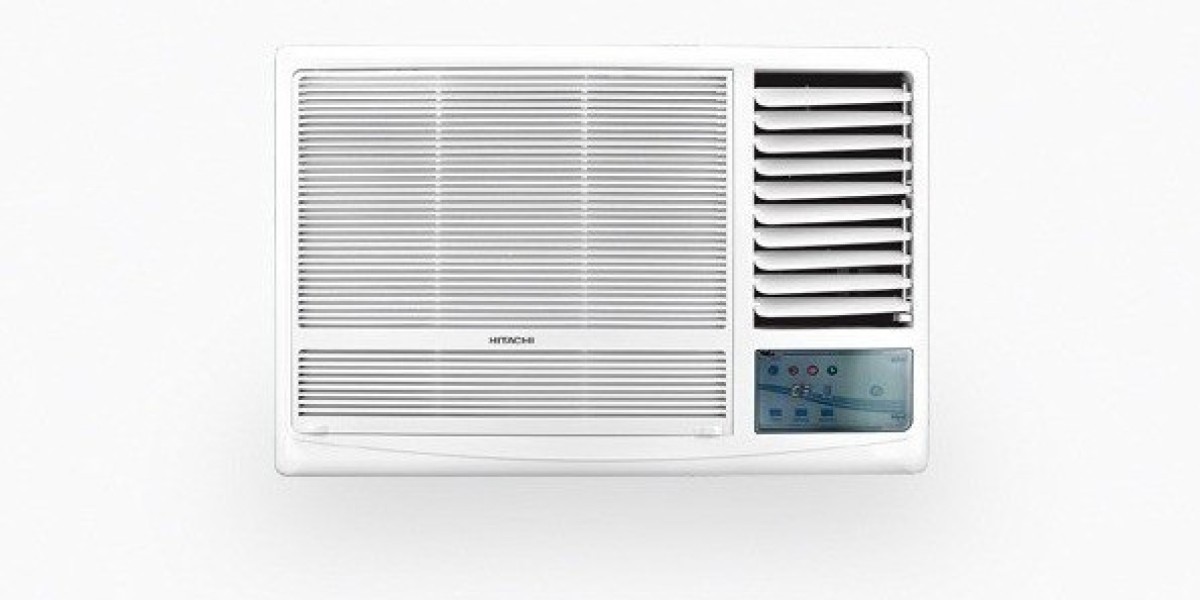

Choosing an air conditioner starts with one practical question: how much should you expect to spend? Window AC prices vary widely based on capacity, energy rating, coil material, and features. For anyone weighing their options this summer, understanding what drives the cost and where value truly lies makes the decision far easier. Here is a clear, honest look at window AC pricing in India and how Hitachi fits into the picture.
Why window ACs remain popular
Despite the rise of split systems, window ACs continue to sell strongly across India, and for good reason. They are economical to buy, simple and quick to install, and easy to maintain since all the components sit in a single unit. For renters, compact rooms, and budget-conscious households, the window AC remains a practical, sensible choice.
What determines window AC price
Several factors shape the final figure:
Capacity (tonnage): A 1-ton unit costs less than a 1.5-ton one, which in turn costs less than a 2-ton one. Match capacity to room size for the best value
Energy rating (BEE stars): Higher star ratings cost more upfront but consume less electricity, saving money over time.
Coil material: Copper coils generally cost more than aluminum but offer better cooling and durability.
Features:
Timers, smart controls, advanced filters, and premium build quality all add to the price.
Brand and warranty:
Established brands with strong service networks and longer warranties may command a modest premium and repay it in reliability.
Indicative window AC price ranges in India
To help you plan, here are broad, indicative starting points (which vary by brand, model, city, and offers):
• 1 ton window AC: generally from around ₹24,000 upward
• 1.5 ton 3-star window AC: generally from around ₹28,000 upward
• 1.5 ton 5-star window AC: generally from around ₹32,000 upward
• 2 ton window AC: generally from around ₹37,000 upward
Hitachi's Kaze Plus window AC range spans these categories, offering options for different room sizes and budgets.
Why Hitachi delivers strong value
A lower price tag means little if the product fails early. Hitachi window ACs are engineered for the long haul:
• 100% Inner Grooved Copper Tube for faster, efficient cooling, and easy servicing.
• Tropical design and tropical compressor built to perform in extreme Indian heat, up to 52°C.
• 43 quality tests ensuring each unit meets exacting international standards.
• Filter Clean Indicator and Auto Restart for everyday convenience.
• Eco-friendly R32 refrigerant for efficient, responsible operation.
• Comprehensive product warranty plus extended compressor warranty for long-term peace of mind.
Getting the best value for your money
To make a smart purchase, match the AC to your actual needs. Measure your room and choose the right tonnage an oversized unit wastes money, while an undersized one struggles to cool. Consider your usage hours: heavy daily use favors a higher star rating, while seasonal use may justify a more affordable 3-star model. Always prefer a copper coil for durability, and factor in warranty and after-sales service, where Hitachi's established network is a genuine advantage.
Installation costs to keep in mind
Window ACs are among the cheapest to install, but budget a little for professional fitting, any required stabilizer, and minor accessories. Hitachi recommends authorized installation to keep your warranty valid and ensure optimal performance from the start.
Window AC versus split AC: a price perspective
When weighing window AC price, it helps to understand why window units are generally more affordable than split systems. A split AC separates the noisy compressor into an outdoor unit connected by pipework, which adds material and installation cost. A window AC houses everything in a single, self-contained box, which keeps both the purchase price and the installation simpler and cheaper. For compact rooms, rented homes, and budget-focused buyers, this makes the window AC an attractive proposition. Split ACs remain a strong choice where quiet operation and premium aesthetics are priorities, but for pure value, the window AC is hard to beat.
Reading the energy label
Every AC sold in India carries a BEE energy label showing its star rating and annual energy consumption in units. Learning to read this label is one of the most useful skills for a value-conscious buyer, because it lets you estimate running costs before you purchase. Multiply the annual units shown by your local electricity tariff, and you get a realistic picture of what the AC will cost to run each year. Comparing this figure across models often reveals that a slightly pricier, higher-rated unit is genuinely cheaper to own, a calculation that transforms how you interpret window AC price.
Final thoughts
Window AC price should always be viewed alongside long-term value. The cheapest unit is rarely the most economical over its lifetime once you account for electricity bills, maintenance, and durability. Hitachi's blend of efficient copper-coil engineering, rigorous quality testing, and dependable warranties makes its window ACs a smart investment for Indian homes.
Compare capacities, star ratings, and features across the full Hitachi window AC line-up, and find the model that fits your room and budget on the official Hitachi Aircon window AC range page.