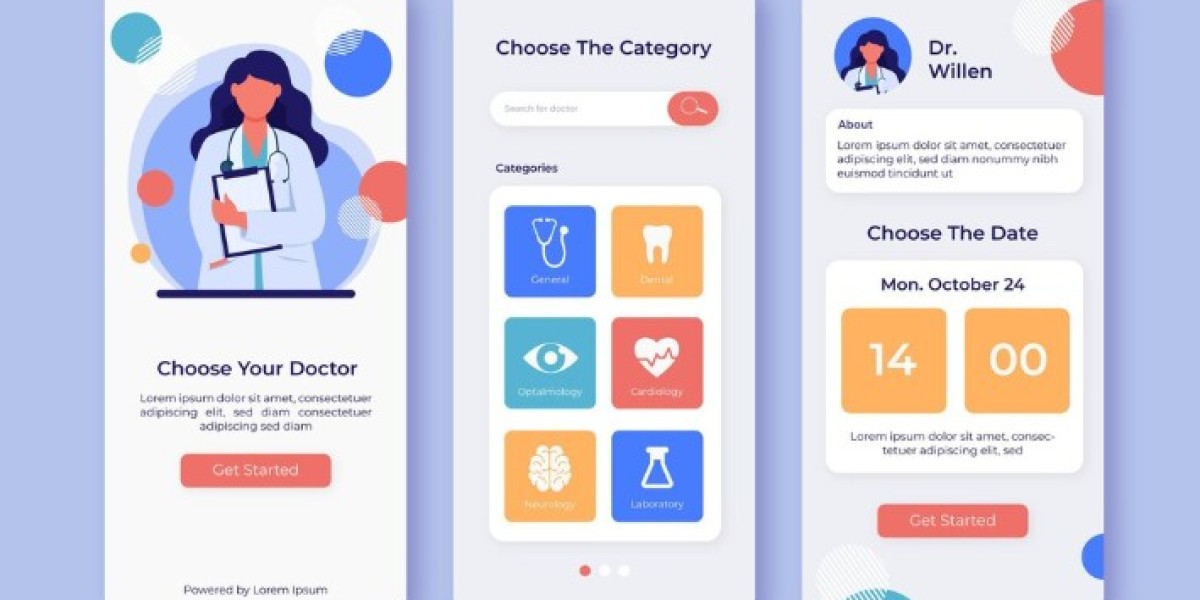

The rapid growth of telemedicine has transformed the way healthcare providers deliver medical services. From virtual consultations and remote patient monitoring to e-prescriptions and digital health records, telemedicine apps have become an essential part of modern healthcare. However, when developing a telemedicine application in the United States, one critical factor significantly influences the overall project budget—HIPAA compliance.
The Health Insurance Portability and Accountability Act (HIPAA) establishes strict standards for protecting patients' sensitive health information. Any telemedicine app that collects, stores, or transmits Protected Health Information (PHI) must comply with these regulations. While HIPAA compliance increases development costs, it also enhances data security, builds patient trust, and reduces legal risks.
In this article, we'll explore how HIPAA compliance impacts telemedicine app development costs and why it's a worthwhile investment for healthcare organizations.
What Is HIPAA Compliance?
HIPAA is a federal law designed to protect the privacy and security of patients' medical information. It requires healthcare organizations, insurers, and their technology partners to implement administrative, physical, and technical safeguards to secure electronic Protected Health Information (ePHI).
For telemedicine applications, HIPAA compliance means ensuring that patient data is encrypted, securely stored, accessed only by authorized users, and protected against cyber threats.
Why HIPAA Compliance Matters in Telemedicine Apps
Telemedicine platforms development handles highly sensitive patient information, including:
- Medical histories
- Lab reports
- Prescriptions
- Insurance information
- Video consultations
- Diagnostic records
- Payment information
Without proper security measures, this data becomes vulnerable to cyberattacks, unauthorized access, and data breaches. HIPAA compliance minimizes these risks while helping healthcare organizations avoid costly penalties and reputational damage.
How HIPAA Compliance Increases Telemedicine App Development Cost
HIPAA compliance requires additional development effort, specialized security features, legal documentation, and continuous monitoring. Below are the major cost-driving factors.
1. Advanced Data Encryption
One of HIPAA's core requirements is protecting patient data both during transmission and while stored on servers.
Developers must implement:
- End-to-end encryption
- Secure HTTPS communication
- Encrypted databases
- Secure cloud storage
- Encryption key management
These security measures require additional development time and specialized expertise, increasing the project budget.
2. Secure User Authentication
A HIPAA-compliant telemedicine app must ensure that only authorized users can access patient information.
Security features often include:
- Multi-factor authentication (MFA)
- Biometric login
- Strong password policies
- Session timeout
- Role-based access control
Developing and testing these authentication mechanisms adds complexity and development costs.
3. Access Control and User Permissions
Not every user should have access to all medical records. Telemedicine apps must implement role-based permissions for:
- Doctors
- Patients
- Nurses
- Administrative staff
- Healthcare administrators
Building secure permission management systems requires additional backend development and testing.
4. Audit Logs and Activity Tracking
HIPAA requires healthcare applications to maintain detailed audit logs of user activities.
These logs record:
- Login attempts
- Medical record access
- File downloads
- Profile updates
- Prescription changes
- System modifications
Implementing audit trails requires database optimization, storage management, and reporting functionality, all of which contribute to higher development costs.
5. Secure Video Consultation Integration
Video conferencing is a core feature of telemedicine apps. However, standard video conferencing tools may not meet HIPAA requirements.
Developers often integrate HIPAA-compliant video communication solutions that provide:
- Encrypted video sessions
- Secure messaging
- Protected file sharing
- Private consultation rooms
Using secure communication platforms may involve additional licensing and integration costs.
6. HIPAA-Compliant Cloud Infrastructure
Hosting patient information on secure cloud platforms is another major expense.
HIPAA-compliant cloud environments require:
- Secure backups
- Disaster recovery
- Access monitoring
- Data redundancy
- Business Associate Agreements (BAAs)
- Infrastructure monitoring
Premium cloud services generally cost more than standard hosting solutions but provide the security needed for healthcare applications.
7. Security Testing and Compliance Audits
Unlike standard mobile applications, telemedicine platforms require extensive security testing before launch.
Testing includes:
- Vulnerability assessments
- Penetration testing
- API security testing
- Data encryption validation
- Authentication testing
- Compliance verification
Many organizations also hire third-party security experts to conduct HIPAA compliance audits, increasing the overall project cost.
Additional HIPAA-Related Expenses
Beyond development, organizations should plan for ongoing compliance costs, including:
- Security monitoring
- Software updates
- Compliance documentation
- Staff training
- Risk assessments
- Annual security audits
- Incident response planning
These recurring expenses are essential for maintaining compliance throughout the application's lifecycle.
Estimated Cost Impact of HIPAA Compliance
The exact cost varies depending on app complexity and security requirements. However, HIPAA compliance typically increases telemedicine app development costs by 20% to 40% compared to a similar non-healthcare application.
For example:
| Telemedicine App Type | Estimated Cost |
|---|---|
| Basic Telemedicine App | $60,000–$100,000 |
| HIPAA-Compliant Telemedicine App | $80,000–$140,000 |
| Advanced AI-Powered Telemedicine Platform | $150,000–$300,000+ |
The investment covers enhanced security, compliance implementation, secure infrastructure, and extensive testing.
Is HIPAA Compliance Worth the Additional Cost?
Although HIPAA compliance increases development expenses, the long-term benefits significantly outweigh the initial investment.
Some of the key advantages include:
- Stronger patient trust
- Enhanced data protection
- Reduced cybersecurity risks
- Improved business reputation
- Lower risk of regulatory penalties
- Better partnerships with healthcare organizations
- Increased scalability for future healthcare services
Healthcare providers are more likely to adopt telemedicine platforms that demonstrate a strong commitment to protecting patient information.
Conclusion
HIPAA compliance is one of the most significant factors affecting telemedicine app development costs in the United States. While implementing advanced security measures, encrypted communication, access controls, audit logging, and compliance testing increases the initial investment, these features are essential for protecting patient data and meeting regulatory requirements.
Rather than viewing HIPAA compliance as an added expense, healthcare organizations should consider it a long-term investment in security, patient trust, and sustainable business growth. By partnering with an experienced telemedicine software development company and planning compliance from the beginning, businesses can build secure, scalable, and future-ready telemedicine solutions while effectively managing development costs.