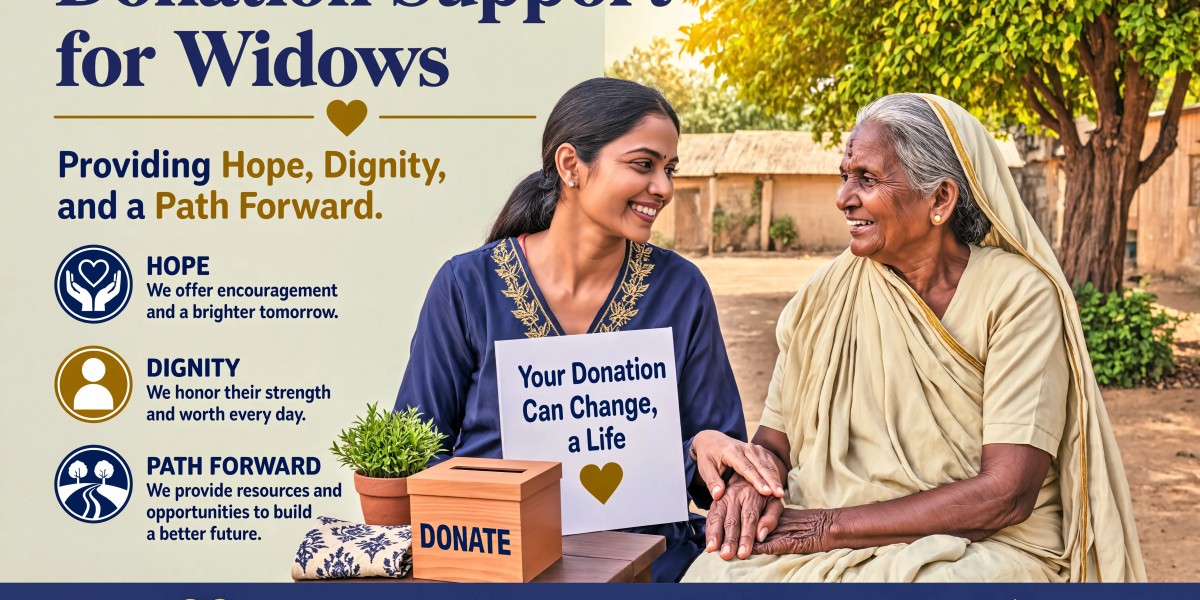

When a woman loses her spouse, she does not only grieve the person she loved — she often loses financial stability, social support, and a sense of security all at once. Across the world, widows represent one of the most overlooked and underserved groups in humanitarian aid and charitable giving. Donation support for widows plays a critical role in filling this gap, offering not just financial relief but dignity, companionship, and real pathways toward self-sufficiency. Whether you are an individual donor, a nonprofit organization, or a community member looking to make a difference, understanding how widow support programs work and where your contributions go can help you direct your generosity with greater impact.
Understanding the Challenges Widows Face Without Financial Support
The experience of widowhood varies significantly across cultures, regions, and socioeconomic backgrounds, but the challenges are often strikingly similar. A widow may suddenly find herself responsible for paying rent, managing household bills, raising children, and making medical decisions — all while navigating intense grief. In many lower-income communities, the death of a husband can plunge an entire family into poverty almost overnight. Without a dual income or a strong social safety net, widows are at high risk of housing insecurity, food scarcity, and a lack of access to healthcare.
In developing countries, the situation is even more severe. Widows in parts of Africa, South Asia, and the Middle East frequently face cultural stigma, property dispossession, and exclusion from community life. In some societies, a widow may be blamed for her husband's death or be forced to undergo harmful traditional rituals. These deeply rooted social injustices make donation support for widows not just a charitable act but a human rights issue. Organizations that channel donations toward these women are essentially advocating for their dignity and survival.
How Charitable Donations Directly Help Widows and Their Families
Charitable donations intended for widow support take many different forms, and each type of contribution addresses a specific dimension of need. Financial donations are the most direct form of aid, providing widows with cash assistance to cover immediate needs such as food, utilities, rent, and medication. Many reputable nonprofits operate emergency widow assistance programs that distribute these funds within days of receiving a verified application. This kind of rapid-response giving can be the difference between a widow keeping her home or facing eviction in the weeks following her husband's death.
Beyond emergency cash relief, donations also fund skills training programs, microenterprise grants, and vocational education. These initiatives help widows build sustainable livelihoods so they are not permanently dependent on charity. A widow who receives a sewing machine and tailoring training, for example, may be able to generate income for herself and her children for years to come. Donors who contribute to these types of capacity-building programs are making a long-term investment in a woman's independence and resilience.
Types of Widow Support Programs Funded by Donations
Widow support programs funded through donations cover a broad spectrum of services. Housing assistance programs help widows secure safe and affordable accommodations, particularly for those who face eviction after losing the primary breadwinner. Grief counseling and mental health services offer emotional support to women processing loss, which is an often-neglected but vital component of recovery. Legal aid clinics funded by donations help widows navigate property rights, inheritance disputes, and custody matters that frequently arise after a spouse's death. Community group programs funded by charitable contributions bring widows together to share experiences, reduce isolation, and collectively advocate for their rights.
Where to Donate: Trusted Organizations Supporting Widows Worldwide
When choosing where to direct your donation for widow support, it is important to research organizations that demonstrate financial transparency, measurable impact, and genuine community engagement. Several globally recognized nonprofits focus specifically on widow welfare and welcome individual or corporate contributions. Widows for Peace through Democracy (WPD) is one such organization that works internationally to advocate for the legal and political rights of widows while also providing grassroots relief. The Loomba Foundation, based in the United Kingdom, has delivered support to millions of widows and their children across developing nations through food, healthcare, and education programs.
Local and faith-based organizations also play a deeply meaningful role in widow donation support, often reaching women in underserved rural communities that large international NGOs cannot easily access. Community churches, mosques, temples, and local charities frequently run widow care programs that depend heavily on private donations. Giving to these organizations ensures that your contribution stays within the community and is administered by people who understand the specific cultural and social context of the widows they serve.
The Role of Corporate and Community Giving in Widow Support Initiatives
Donation support for widows is not limited to individual philanthropy. Corporations with active corporate social responsibility (CSR) programs increasingly recognize the importance of directing funding toward vulnerable populations, and widows represent a cause that resonates across cultures and industries. Companies can partner with widow-focused nonprofits to sponsor specific programs, fund scholarship initiatives for widows' children, or match employee donations made to qualifying widow support charities. These partnerships amplify the reach of charitable giving and give businesses a meaningful way to give back to the communities in which they operate.
Community fundraising events are another powerful avenue for generating widow support donations. Charity runs, benefit dinners, online crowdfunding campaigns, and social media fundraisers can all be organized around the theme of widow welfare, raising both money and awareness simultaneously. When local communities rally around widow support, the impact goes beyond the financial — it sends a message that widows are valued, seen, and supported by the people around them.
Making Your Donation Count: Tips for Effective Giving
Effective charitable giving for widow support requires more than simply writing a check. Donors who want to maximize their impact should begin by verifying the legitimacy and accountability of any organization they are considering. Checking for charity watchdog ratings on platforms like Charity Navigator, GuideStar, or Give Well can help donors identify organizations that use their funds efficiently and ethically. Transparency reports and annual impact statements published by nonprofits are also excellent indicators of how donations are being spent and what outcomes they are producing.
Recurring monthly donations, even in small amounts, are often more valuable to widow support organizations than large one-time gifts because they allow nonprofits to plan ahead and maintain consistent program delivery. Donors can also choose to sponsor a specific widow or family, which creates a personal connection and allows for direct feedback on the impact of their giving. In-kind donations such as clothing, household goods, and food can also be directed to local widow support shelters and community centers, though donors should always verify what specific items are currently needed before collecting goods.
FAQs
What is the most effective way to donate to widow support organizations?
The most effective way to donate is to give directly to verified nonprofits that specialize in widow welfare and publish transparent financial reports.
Are donations to widow support charities tax-deductible?
In many countries, including the United States, the United Kingdom, and Canada, donations made to registered nonprofit organizations that support widows are tax-deductible.
How do widow support programs use donated funds?
Donated funds are used in a variety of ways depending on the organization and program model. Common uses include emergency financial assistance for housing and food, skills training and vocational education grants, mental health counseling services, legal aid for property and custody disputes, and healthcare access programs.
Can I donate locally to help widows in my own community?
Absolutely. Local giving is often highly impactful because it supports widows in your immediate community and builds social cohesion at the neighborhood level.
What non-monetary contributions can I make to support widows?
Non-monetary contributions are incredibly valuable to widow support programs. Volunteering your time to mentor widows in job skills, legal literacy, or financial management can be just as powerful as a financial gift.