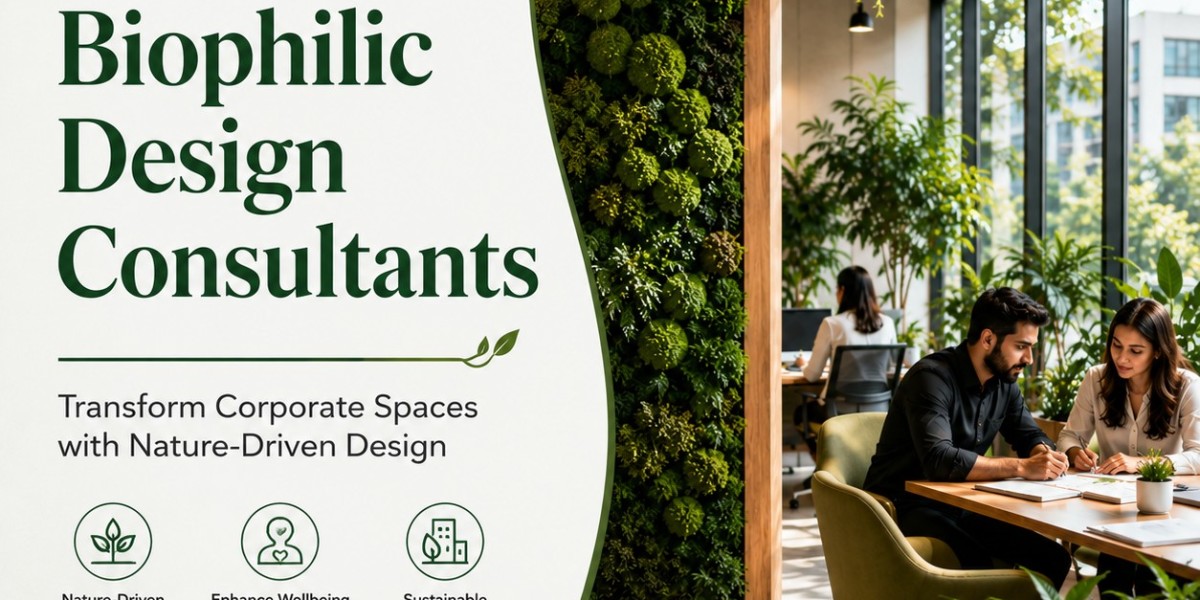

Modern architecture is evolving beyond aesthetics and functionality. Today, businesses, architects, and property owners are prioritizing spaces that improve wellbeing, encourage productivity, and strengthen the connection between people and nature. This growing demand has increased the importance of Biophilic Design Consultants, professionals who specialize in integrating natural elements into built environments through science-backed design strategies.
Rather than simply decorating interiors with plants, biophilic design focuses on creating environments that naturally support physical health, mental wellness, creativity, and environmental sustainability. From corporate offices and hotels to healthcare facilities and educational institutions, this design philosophy is reshaping the future of modern spaces.
Why Biophilic Design Consultants Are Shaping the Future of Interior Design
Urban lifestyles have dramatically reduced people's daily interaction with nature. Most professionals spend nearly 90% of their time indoors, making the quality of interior environments more important than ever. Poor indoor spaces can contribute to stress, fatigue, reduced concentration, and lower employee satisfaction.
This is where Biophilic Design Consultants bring measurable value. They analyze architectural layouts, lighting conditions, ventilation, material selection, acoustics, and natural features to create spaces that positively influence both people and business performance.
Unlike traditional interior decorators, these consultants combine architecture, environmental psychology, sustainability principles, and workplace wellness research to design environments that deliver long-term benefits.
What Does a Biophilic Design Consultant Actually Do?
A biophilic consultant develops customized strategies that introduce meaningful natural experiences into indoor spaces. Their role extends far beyond placing greenery inside a building.
Typical responsibilities include:
Designing indoor green walls and preserved moss installations
Planning natural daylight optimization
Selecting sustainable materials like wood, bamboo, and stone
Improving indoor air quality through strategic planting
Creating visual connections with outdoor landscapes
Incorporating water features and organic textures
Supporting green building certifications such as LEED and WELL
Every recommendation is tailored to the building's purpose, user behavior, climate, and available space.
The Science Behind Biophilic Design
Biophilic design is backed by decades of scientific research rather than design trends. Studies in environmental psychology suggest that exposure to natural environments can reduce cortisol levels, lower stress, improve mood, and enhance cognitive performance.
Natural lighting helps regulate circadian rhythms, while indoor vegetation contributes to a more pleasant atmosphere. Organic shapes, natural materials, and calming color palettes create environments that people instinctively find comfortable and welcoming.
For businesses, these improvements often translate into increased employee engagement, higher productivity, reduced absenteeism, and improved workplace satisfaction.
Key Elements of Successful Biophilic Design
A well-designed biophilic environment combines multiple natural components that work together to create a balanced indoor experience.
These commonly include:
Living walls and vertical gardens
Preserved moss installations
Large indoor plants and trees
Natural ventilation systems
Wooden architectural finishes
Stone, clay, and other organic materials
Water features
Skylights and daylight-focused layouts
Views of outdoor landscapes
Nature-inspired textures and patterns
The objective is not simply to add greenery but to create a seamless relationship between architecture and nature.
Industries Benefiting from Biophilic Design
The versatility of biophilic design allows it to improve virtually every type of commercial and residential environment.
Corporate Offices
Companies increasingly use biophilic workspaces to improve employee wellbeing, reduce stress, and create inspiring environments that encourage collaboration and innovation.
Healthcare Facilities
Hospitals and wellness centers incorporate nature-inspired interiors to create calming environments that support patient recovery and reduce anxiety.
Hotels and Hospitality
Luxury hotels use biophilic design to enhance guest experiences through tranquil interiors, indoor gardens, and sustainable design features.
Educational Institutions
Schools and universities create healthier learning environments by maximizing daylight, improving air quality, and introducing natural materials that support concentration.
Residential Developments
Modern homeowners seek interiors that provide relaxation, improve air quality, and create a stronger emotional connection with nature.
Why Professional Expertise Matters
Biophilic design requires careful planning and technical knowledge. Simply placing plants inside a room rarely delivers meaningful results.
Experienced consultants evaluate multiple factors, including:
Building orientation and natural light availability
Occupant behavior and space utilization
Plant species suitable for indoor environments
Long-term maintenance requirements
Sustainability objectives
Budget and project timeline
Professional planning ensures every natural element contributes to both functionality and visual harmony.
Companies such as Evergreenry have helped organizations adopt nature-inspired environments by providing innovative greenery solutions that combine aesthetics with practical workplace wellness strategies. Their work reflects the growing shift toward healthier commercial interiors.
Emerging Trends in Biophilic Design
The future of biophilic design continues to evolve as sustainability becomes a priority for businesses worldwide.
Several trends are driving industry growth:
Smart irrigation systems for living walls
Preserved moss installations requiring minimal maintenance
Indoor biodiversity concepts
Wellness-focused office design
Carbon-conscious interior materials
Biophilic coworking environments
Nature-inspired hybrid workplaces
As organizations increasingly focus on employee wellbeing and environmental responsibility, these innovations will become standard features rather than premium additions.
Conclusion
The demand for Biophilic Design Consultants continues to grow because businesses and property owners recognize that healthier spaces create healthier people. By combining architecture, sustainability, environmental psychology, and natural design principles, these specialists transform ordinary interiors into environments that promote wellbeing, productivity, and long-term value.
Whether designing a corporate headquarters, luxury hotel, healthcare center, educational campus, or residential property, professional biophilic design creates lasting benefits for both occupants and the environment. Organizations like Evergreenry demonstrate how thoughtfully integrated greenery can enhance modern interiors while supporting sustainable design goals.
For more info:
Website : https://www.evergreenry.com/
Contact Us : +919891347119
Address : 376, Udyog Vihar, Phase 2, Gurgaon Haryana 122016
Email : green@evergreenry.com