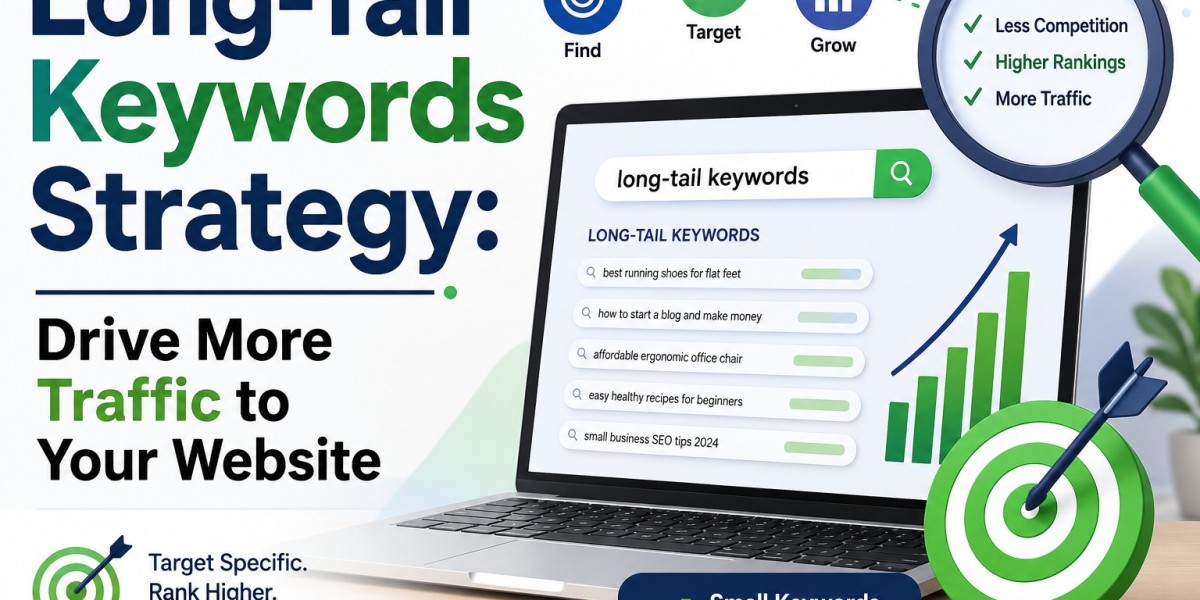

As soon as you step into the digital world, one word you hear everywhere is "keywords," especially "long-tail keywords." In any SEO strategy, keywords play a major role because they help you target the right audience more effectively. They also help your website gain more traffic and reach new, motivated users who are actually searching for what you offer.
The competition is growing day by day, and success doesn’t come overnight. You achieve it when you stay consistent and focus on long-term efforts. In this long journey of SEO, long-tail keywords act like a savior—quietly supporting you like a steady shoulder on your way to success.
In this guide, we’ll walk through the key elements of long-tail keywords, from search intent and specificity to higher conversion rates, niche targeting, and content alignment, so you can understand how to use them for the best results. Scroll down step by step and get all your answers in one place.
“Long-tail keywords may be long in words, but they go even longer in driving consistent SEO success.”
What are Long Tail Keywords?
Long-tail keywords are longer search phrases used when seeking something exceedingly specific. When a person searches, the keywords in your content assist your page to relate to their question, and your content appears on their device. Consider it a roadmap—these keywords will direct the correct audience to your website.
Still confused? Let's take an example.
Assume someone wants a home decor item, such as a lovely chandelier. They visit Google and type:
"An elegant chandelier for living room."
That particular phrase is a long-tail keyword. Google searches for pages containing this term and displays the most relevant results. If your content includes the same long-tail term, you can target the specific audience who are seeking it.
This is why using long-tail keywords in the correct places on your website is critical; they connect your content with people who are actively looking for what you offer.
Why Do Long-Tail Keywords Matter for Your Website?
By now, you’ve seen how long-tail keywords work and connect with your target audience. The next step is understanding the bigger picture—what happens after you reach them. Let’s explore why long-tail keywords are so essential for driving traffic, engagement, and success for your website.
Higher Conversion Rate: These keywords are specific and to the point, exactly what visitors are looking for. This detail has a significant impact on purchasing decisions and boosts purchase intent. Later in the blog, we have a separate section dedicated to long-tail keywords and conversion rate, so you can get a deeper understanding of this.
Targeted Traffic: Long-tail keywords target your audience directly, like a telescope concentrating on the right spot, no matter how congested the environment. They perfectly correspond with specific search requirements, directing highly relevant, qualified visitors to your site.
Lower Competition: Let us continue with our chandelier example. There are several chandelier options online for various types of settings. A large chandelier on a balcony wouldn't make sense, right? When someone searches for "an elegant chandelier for a living room," the results get more specific. Instead of competing with every chandelier article on the market, you're simply reaching out to those who want what you're giving. This reduces clutter, saves time for your viewers, and improves your chances of conversion.
Increase ROI: Long-tail keywords enable you to rank for several specialized terms. When used together, they generate significant, high-quality traffic without the need for expensive competition ads, increasing the effectiveness of your marketing effort.
Better Content Alignment and User Experience: Long-tail keywords allow you to develop content that precisely matches what people are looking for, such as "Elegant Chandeliers for Small Living Rooms," as opposed to a broad piece like "Home Décor Ideas." This alignment keeps readers interested, helps them find exactly what they need, and raises the possibility that they will take action.
What are the Key Features of Long-tail Keywords
You’ve seen how long-tail keywords matter and how they impact traffic, engagement, and conversions. Now let’s zoom in and see what makes them work. Some of these points might sound familiar, like content alignment or specificity, but here we’re looking at them from a different angle, focusing on their structure, role, and why each one is essential.
To make it easier, we’ve created a table that breaks down the six most important elements, so you can see exactly how they come together to make long-tail keywords so powerful.
Key Element | What It Means | How It Drives Traffic | Impact on Conversion |
Search Intent | Targets exactly what the user is looking for | Brings visitors who are actively searching for solutions | Higher likelihood visitors take action (sign up, buy click) |
Specificity | More descriptive and focused phrases | Ranks easier in search results for niche queries | Visitors are more qualified result in higher conversion rate |
Low Competition | Few sites target these phrases | Easier to rank and attract steady traffic | Lease distraction = more engagement and sales |
Niche Targeting | Focus on a very specific audience | Attracts relevant traffic instead of random clicks | Ensures visitors are genuinely interested in your offering |
Content Alignments | Keyword matches content perfectly | Keeps visitors engaged result in lower bounce rate | Satisfies user intent result in higher conversions |
Natural Language | Matches how people search (voice, long questions) | Captures traffic from conversational searches | Build trust increase better chances of converting |
The Connection Between Long-Tail Keywords and Conversion Rates
You've seen how long-tail keywords attract the correct audience to your website, but what happens once they arrive? This is where conversion comes in.
Long-tail keywords are particular and precise, indicating exactly what consumers are looking for. This signifies that the visitors to your page are already interested in your product, service, or content; they aren't just clicking around. As a result, they are more likely to take action, such as making a purchase, signing up, or clicking through.
Consider this: someone searching for "elegant chandelier for a small living room" is significantly more likely to buy than someone who simply types "chandelier." The long-tail phrase tells you exactly what they are looking for, and when your content fits it, you provide them with a quick solution.
In short, the more specific the keyword, the higher the conversion potential. Later in the guide, we’ll also show you how to strategically place these keywords to maximize conversions without overwhelming your content.
Tips for Developing an Effective Long-tail Keyword Strategy
Search engine algorithms and guidelines change constantly, and so must our strategies to reach the right audience. In this section, we’ll share an updated approach to how long-tail keywords drive website traffic, a strategy designed to work with current trends and adapt as the digital landscape evolves. Scroll through to learn actionable steps you can implement and keep refining over time.
Start With In-depth Research
Understanding what your audience is looking for is the first step toward developing a solid plan. Use keyword research tools to uncover long-tail terms relevant to your niche. These keywords frequently represent precise search intent, making them more likely to convert.
Some of the better tools for this include Google Keyword Planner, Ahrefs, and SEMrush. In the following part, we'll go over these tools in further detail so that you can fully understand their functionality.
Analyze Search Intent
Once you've compiled a list of long-tail keywords, step back and consider user intent. Are they looking for solutions? Information? Products? The proper long-tail keyword should be relevant to the search goal. For example:
Informational intent: "How to Decorate a Small Living Room"
Transactional intent: "Buy affordable chandeliers online"
Make sure to target long-tail keywords that are relevant to the content you intend to write.
Use Keywords Naturally in Your Content
Now, put your long-tail keywords strategically throughout your content:
Title Tags: Make sure your page's title includes your core long-tail keyword.
Meta descriptions: Use secondary long-tail keywords to improve click-through rates (CTR).
Headers (H1, H2, etc.): Use keywords in appropriate headers, but don't overcrowd them.
Body text: Incorporate your long-tail keywords throughout the content. Remember, the goal is user experience, not keyword stuffing. Your content should still be natural and entertaining.
URLs: Use keywords in the URL slug (for example, /best-chandeliers-for-small-living-rooms).
Image alt text: Using informative alt text alongside your long-tail keywords may also help enhance image search visibility.
Concentrate on Content Quality and Relevance
Long-tail keywords are only effective if your content meets the searcher's needs. Don't just write for the keyword; write for your audience.
Ensure that you cover all aspects of the topic. Search engines frequently favor longer, more detailed material.
Content freshness: Regularly update your content to reflect new trends, statistics, or rules.
Bonus Tip: When optimizing for long-tail keywords, make your content engaging using graphics, internal connections, and useful takeaways that direct the user through the page.
Track and Refine Your Strategy Over Time
SEO is not a one-time task; it is a continuing effort. After you've deployed your long-tail keywords, monitor your results using tools like Google Analytics and Google Search Console. Check out:
Keyword rankings
Click-through Rates
Conversion Rates
Bounce Rates
Refine your strategy using the data. If a keyword fails to yield the desired outcomes, modify your content and concentrate on the search intent that you might have missed.
Example: Long-Tail Keywords Can Drive Traffic
Let's use a well-known brand like Domino's to demonstrate the value of long-tail keywords. Assume Domino's chooses to optimize for specific terms like "pepperoni pizza delivery near me" or "Domino's discount pizza deals in [city]."
By focusing on these more particular, long-tail queries, companies may be able to attract more relevant visitors—people who are actively trying to order pizza right away, rather than simply browsing. In real-world circumstances like this, brands frequently notice a significant increase in targeted traffic, enhanced engagement, and higher conversion rates simply because the keywords match exactly what their consumer is looking for.
Note: Although the exact statistics are not clear, this example demonstrates how long-tail keywords can connect with the correct audience and can make a significant impact in delivering quality traffic.
List of Best Tools for Finding Long-Tail Keywords
Now that you've had a good step-by-step Long-tail keyword strategy plan: It's time to look at the tools that can help you get started with this technique. Tools will make it easier to discover, track, and refine your long-tail keywords, so check out the table below, compiling all the effective tools with their key features.
Tool | Best For | Price |
Google Keyword Planner | Finding keyword idea and search volume directly from Google | Free |
AnswerThePublic | Discovering questions and phrases people are actually searching | Free/Paid |
Ubersuggest | Quick keyword suggestions, competition, and SEO overview | Free/Paid |
Ahrefs Keyword Explorer | Deep keyword research, intent analysis and competitive insights | Paid |
SEMrush Keyword Magic Tool | Large keyword database with variations and search trends | Paid |
Google Search Suggestions | Real-time long-tail ideas from what users type | Free |
People Also Ask (Google SERP) | Related questions that show what people want to know | Free |
Advance notes:
Google Keyword Planner: Perfect for beginners – shows real search data from Google itself.
AnswerThePublic: This tool is a great resource for finding long-tail queries such as "how to" or "best for." Ideal for blog ideas.
Ubersuggests: Simple and quick. It provides keyword recommendations as well as information about the competition.
Ahrefs and SEMrush: These tools are the go-to tools for detailed insights. Ideal for successful SEO planning.
Google Search Suggestions & People Also Ask: Free, simple, and displays what people are typing right now.
Conclusion
We hope this guide has answered all the questions you had when you opened this article. To establish a strong presence in today's digital market landscape, you must be vigilant, implement the appropriate methods, and continually update them as algorithms evolve. The more concentrated and adaptable you are, the more satisfied you will be with your progress.
Never underestimate the other components that come with this strategy; when everything works together, it amplifies your results and helps you write your own success story.