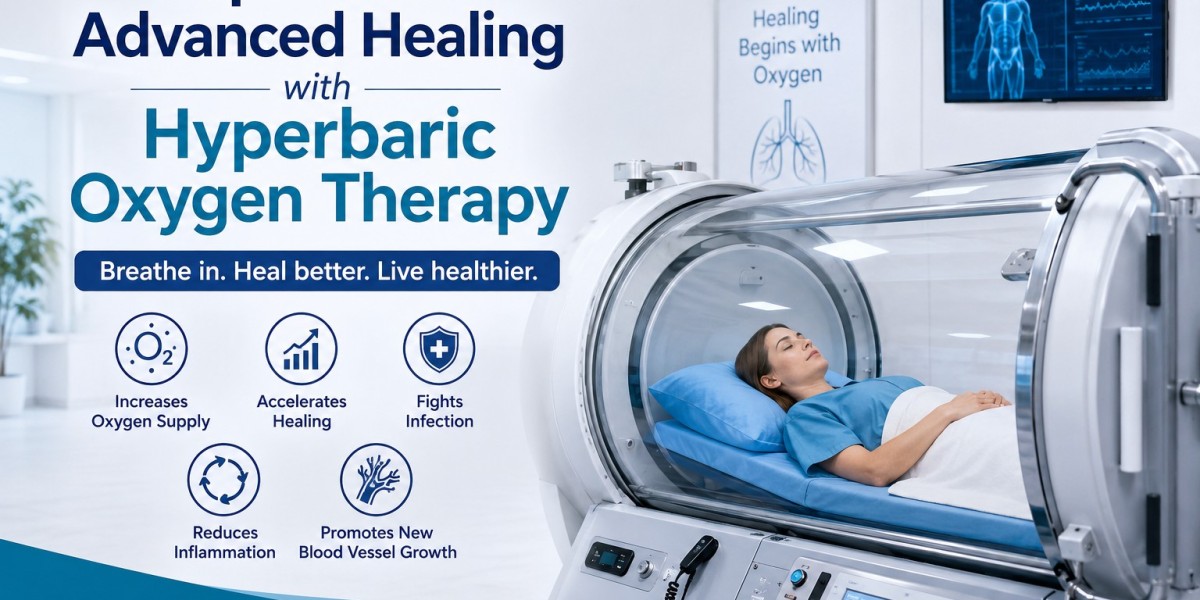

Hyperbaric oxygen therapy (HBOT) is transforming the way patients recover from injuries, chronic wounds, and various medical conditions. By delivering pure oxygen in a pressurized environment, this innovative treatment helps the body heal naturally and more efficiently. Whether you are recovering from surgery, managing a chronic condition, or seeking advanced support for wound healing, hyperbaric oxygen therapy offers a safe and effective solution under professional medical supervision.
In this blog, we'll explore how hyperbaric oxygen therapy works, its benefits, conditions it may help treat, and why it has become an essential part of modern healthcare.
What Is Hyperbaric Oxygen Therapy?
Hyperbaric oxygen therapy is a non-invasive medical treatment that involves breathing 100% pure oxygen inside a specially designed pressurized chamber. The increased air pressure allows your lungs to absorb significantly more oxygen than under normal conditions.
This oxygen-rich blood is then transported throughout the body, helping damaged tissues receive the oxygen they need to repair themselves more effectively. Increased oxygen levels also support the body's natural immune response and encourage the growth of new blood vessels.
Unlike many invasive procedures, HBOT works by enhancing the body's own healing mechanisms.
How Does Hyperbaric Oxygen Therapy Work?
Under normal conditions, oxygen is carried through the bloodstream by red blood cells. During hyperbaric oxygen therapy, the higher pressure dissolves additional oxygen directly into the blood plasma.
This extra oxygen can reach areas where blood circulation may be limited due to injury, inflammation, or disease.
The treatment generally follows these steps:
- The patient enters a hyperbaric chamber.
- Air pressure is gradually increased.
- The patient breathes pure oxygen for the prescribed treatment period.
- Oxygen is delivered deep into body tissues.
- Pressure is slowly returned to normal before exiting the chamber.
Sessions typically last between 60 and 120 minutes, depending on the condition being treated.
Benefits of Hyperbaric Oxygen Therapy
The growing popularity of hyperbaric oxygen therapy comes from its wide range of healing benefits.
Accelerates Wound Healing
One of the most recognized uses of HBOT is treating wounds that heal slowly due to poor circulation or diabetes. Increased oxygen promotes tissue repair and collagen production.
Reduces Inflammation
Inflammation is a common factor in many injuries and chronic diseases. Hyperbaric oxygen helps reduce swelling and supports faster recovery.
Improves Oxygen Delivery
HBOT significantly increases oxygen levels in damaged tissues where normal blood flow may be restricted.
Supports Infection Control
Certain bacteria struggle to survive in oxygen-rich environments. The therapy also enhances the effectiveness of white blood cells in fighting infection.
Stimulates New Blood Vessel Growth
Hyperbaric oxygen therapy encourages angiogenesis, the formation of new blood vessels, improving circulation in damaged areas.
Speeds Recovery After Surgery
Many patients experience improved healing following reconstructive surgeries and complex procedures when HBOT is included in their recovery plan.
Conditions Treated with Hyperbaric Oxygen Therapy
Medical professionals use hyperbaric oxygen therapy for numerous approved conditions and selected supportive treatments.
These may include:
- Diabetic foot ulcers
- Radiation tissue damage
- Carbon monoxide poisoning
- Crush injuries
- Non-healing surgical wounds
- Severe infections
- Burns
- Bone infections
- Skin graft recovery
- Decompression sickness
- Air embolism
- Chronic wounds
Some healthcare providers also study HBOT for neurological recovery, sports injuries, and other conditions where enhanced oxygen delivery may be beneficial.
Who Can Benefit from Hyperbaric Oxygen Therapy?
Many individuals may benefit from hyperbaric oxygen therapy, including:
Diabetic Patients
Poor circulation often slows healing in diabetic wounds. HBOT improves oxygen supply and encourages tissue repair.
Surgical Patients
Patients recovering from major surgeries may heal more efficiently with improved oxygen delivery.
Athletes
Sports injuries involving muscles, ligaments, or soft tissue may recover faster when oxygen supports tissue regeneration.
Individuals with Chronic Wounds
Persistent wounds that have not responded to traditional treatments may improve with hyperbaric therapy.
Patients Receiving Radiation Therapy
Radiation can damage healthy tissues. HBOT helps restore oxygen and encourages healing.
What Happens During a Treatment Session?
Understanding the treatment process helps patients feel comfortable before their first appointment.
A typical session includes:
- Medical evaluation
- Review of your health history
- Comfortable seating or lying inside the chamber
- Gradual increase in pressure
- Breathing pure oxygen
- Relaxing during the session
- Slow decompression before completion
Most patients read, rest, or watch entertainment during treatment. The process is painless, though some people may notice temporary ear pressure similar to what is experienced during airplane travel.
Is Hyperbaric Oxygen Therapy Safe?
Yes. Hyperbaric oxygen therapy is generally considered safe when performed by trained healthcare professionals using certified medical equipment.
Possible temporary side effects may include:
- Mild ear discomfort
- Temporary vision changes
- Fatigue after treatment
- Sinus pressure
These effects are typically mild and resolve shortly after therapy.
Before beginning treatment, medical professionals evaluate each patient's health history to determine whether HBOT is appropriate.
Why Oxygen Is Essential for Healing
Every cell in the body relies on oxygen to function properly. When tissues become injured, blood flow may decrease, reducing oxygen delivery and slowing recovery.
Hyperbaric oxygen therapy helps by:
- Delivering more oxygen to damaged tissues
- Supporting collagen formation
- Encouraging stem cell activity
- Improving circulation
- Enhancing immune function
- Reducing swelling
This combination creates an ideal environment for faster, healthier recovery.
Choosing the Right Hyperbaric Oxygen Therapy Provider
Selecting an experienced medical provider is essential for safe and effective treatment.
Look for a clinic that offers:
- Certified hyperbaric chambers
- Qualified medical professionals
- Individualized treatment plans
- Comprehensive patient evaluations
- Strict safety protocols
- Comfortable treatment facilities
- Ongoing monitoring during each session
An experienced healthcare team will assess your condition and recommend the most appropriate treatment schedule.
Frequently Asked Questions
How many hyperbaric oxygen therapy sessions are needed?
The number of treatments depends on your medical condition. Some patients may require only a few sessions, while others benefit from multiple treatments over several weeks.
Is the treatment painful?
No. Hyperbaric oxygen therapy is non-invasive and generally painless.
Can I return to normal activities afterward?
Most patients resume normal daily activities immediately following treatment unless advised otherwise by their healthcare provider.
Is HBOT covered for medical conditions?
Coverage depends on your insurance provider and whether the treatment is prescribed for an approved medical condition.
The Future of Hyperbaric Oxygen Therapy
As medical research continues to evolve, hyperbaric oxygen therapy is gaining recognition for its role in supporting healing across a growing range of conditions. Healthcare providers continue exploring new ways HBOT may improve recovery, reduce complications, and enhance patients' overall quality of life.
With advancements in technology and expanding clinical evidence, HBOT is becoming an increasingly valuable addition to comprehensive treatment plans.
Conclusion
Hyperbaric oxygen therapy is an advanced, non-invasive treatment designed to enhance the body's natural healing process through increased oxygen delivery. From chronic wound care and post-surgical recovery to infection management and tissue repair, HBOT offers numerous benefits for patients seeking faster, more effective healing.
If you or a loved one is dealing with a condition that involves slow healing or reduced oxygen supply to tissues, consulting a qualified healthcare provider about hyperbaric oxygen therapy could be an important step toward improved recovery and long-term wellness.
Get in Touch
Interested in learning whether hyperbaric oxygen therapy is right for you? Contact a qualified hyperbaric treatment center today to schedule a consultation. A personalized treatment plan can help you experience advanced healing and achieve better health outcomes with expert medical care.