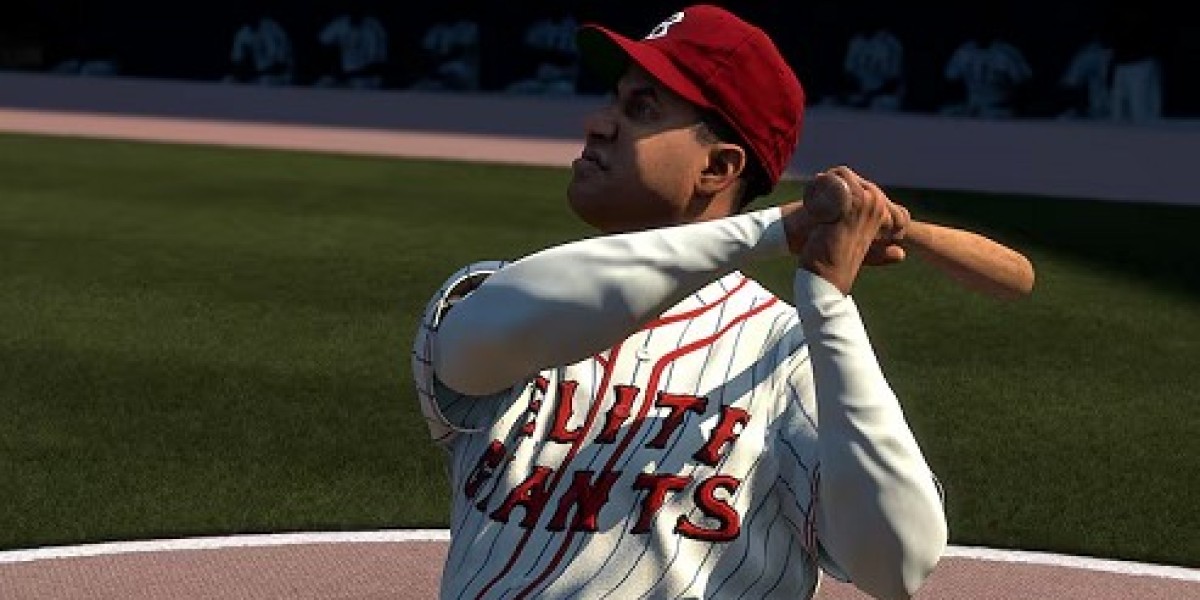

Chasing a 99 OVR card early in Diamond Dynasty can eat up a lot of time if you go in without a plan. The Hall of Fame Program is much easier when you treat it like a short run of connected jobs rather than a pile of separate tasks. Andruw Jones is the prize, and he is well worth the effort, but the real trick is getting program points while you are also improving the rest of your club. Keep an eye on your MLB 26 Stubs balance before you start, too, since there is no sense spending heavily on cards that will only sit on the bench once Jones arrives. A little preparation saves a surprising amount of time.
Why Jones Fits So Many Lineups
Jones is not just a card with a big overall rating. He fills a role that plenty of Diamond Dynasty teams need. Put him in centre field and you get range, strong reactions, and the sort of arm that makes runners think twice about taking an extra base. That matters in close games, especially when somebody sends a ball into the gaps and you need an outfielder to cover ground fast. At the plate, he brings enough pop to change an inning with one swing. He also does not force you into a one-dimensional lineup. You can place him between contact bats, speed guys, or other power hitters and still feel comfortable. A free reward that can handle defence and produce runs is usually worth prioritising. You will probably notice that he stays in your lineup longer than many cards earned from shorter content runs.
Start With Moments and Read the Missions
Begin with the Moments. They are usually the cleanest source of early progress, and they let you get a feel for the type of hitting situations tied to the program. Do not rush through the menu after each one. Take a minute to read every available mission and note which player series, stats, or gameplay actions count. A lot of players lose time because they load into a game with their usual squad, then realise halfway through that none of the innings are helping their program total. First, clear the Moments. Next, build a lineup that matches the active requirements. Then pick a mode where you can get regular plate appearances and enough innings for your pitchers. It sounds basic, but it stops the grind from turning into random games with little to show for them.
Build One Lineup for Several Jobs
The best lineup is not always the highest-rated lineup. For program work, it is better to use cards that can cover different goals in the same game. Bring a few hitters who can drive the ball for extra bases, but leave room for players with decent contact and speed. If stolen bases are part of your plan, a slow lineup can make that task drag on. On the pitching side, use starters or relievers you trust to throw strikes quickly. Strikeouts, innings, and player experience all add up when you are not constantly working out of trouble. You can also stack objectives by playing against a lower difficulty opponent in an offline mode, if the mission rules allow it. One solid game might produce hits, runs, total bases, pitcher progress, and experience at once. That is far better than chasing each target in isolation.
Protect Your Club While You Work
It is tempting to sell every card that is not in your starting nine, especially when a new program makes the market move around. Usually, that is where people make things harder for themselves. Older Legend and Flashback cards can become useful without much warning, whether they are needed for a collection, a themed roster, or a later mission. Check what you already own before buying replacements. If a card only helps with one small objective, ask whether you can earn that progress with somebody already in your inventory. Save your currency for positions where your team genuinely needs help. A weak catcher, thin bullpen, or missing left-handed bat can have more impact than another expensive outfielder. Keeping a bit of flexibility means you can react when the next content drop lands.
Final Thoughts
The Hall of Fame Program rewards players who stay organised, not just players who play the most games. Knock out the Moments early, use a roster built around active missions, and let each game count toward more than one target. Jones should feel like a proper upgrade once you get him, particularly if your outfield has needed a dependable defender with power. There is nothing wrong with using the market to fill a real gap, either, but do it with a purpose. Players looking for extra roster options can check MLB 26 Stubs for sale while keeping their bigger collection plans in mind. A steady approach will get Jones onto the field without draining everything else you have saved.