
Imagine walking into a shop, picking up a top, dropping it in your basket, then walking out. No queue at the counter. Nobody scans anything. Your phone pings later with proof of payment. Money left your account quietly.
What was once the stuff of science fiction is quickly becoming reality throughout the United States. Early cashier-less stores used to be heavily dependent on complex computer-vision systems, but a new generation of frictionless retail stores is being fueled by a less complicated but sometimes more scalable technology: UHF (Ultra-High Frequency) RFID. Choose the best RFID inventory tracking system that can completely transform your shop.
What Is UHF RFID?
RFID stands for Radio Frequency Identification. A very small RFID tag with a unique digital ID is attached to each product.
Unlike bar codes, RFID tags do not have to be read by the user. However, they do not communicate via sight, but by radio waves.
This means:
a. Multiple items can be detected simultaneously.
b. Items can be left in bags and shopping carts.
c. There is no need to line up the scan.
d. Changes to inventory are automatically updated.
It's like providing each product with a wireless ID card.
How to Get Frictionless Checkout to Work?
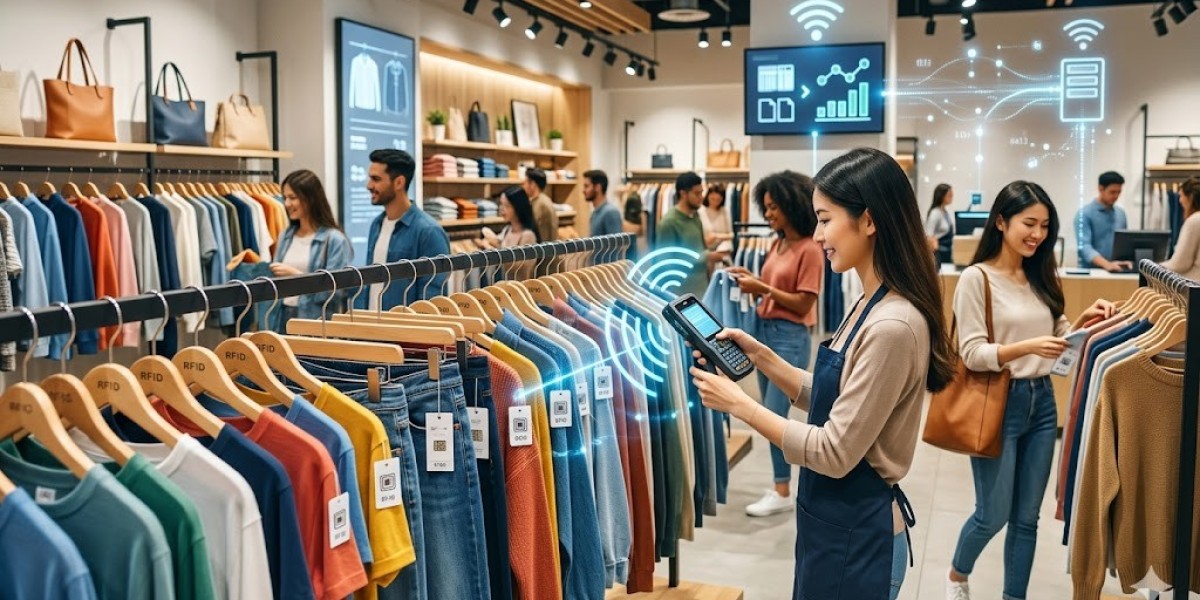
It is common practice to place readers in the entire store in an RFID-based retail store, especially near the exits.
On arrival, customers can check in as follows:
1. A mobile app.
2. A payment card.
3. A membership account.
4. A digital wallet.
While the products circulate through the store, RFID systems monitor which products are picked up. When a reader is placed in a specific area, all tagged products will be visible on the reader as they come in or out of the store through the designated area. Don’t forget to get the best RFID software solutions for accurate results.
Within seconds:
a. Products are identified.
b. Purchase is confirmed.
c. Payment is processed.
d. A digital receipt is created.
There are no checkout interactions in the whole transaction.
Why Retailers Are Embracing RFID?
Retailers have a number of other operational benefits going on, beyond a faster checkout.
Key benefits include:
a. Improved inventory accuracy.
b. Reduced labor costs.
c. Faster stock replenishment.
d. Better product visibility.
e. Enhanced customer experiences.
Most of all, RFID can make a major contribution to the reduction of retail shrinkage, the retail industry term for losses due to theft, error, and discrepancies in the stock count.
The benefits of item-level RFID tracking are also being felt by many retailers, with many reporting significant increases in visibility and loss prevention.
The End of Long Checkout Lines
People are increasingly seeking convenience in today's modern times.
Frictionless retail is about what customers are looking for:
1. No waiting in line.
2. Faster store visits.
3. Reduced checkout frustration.
4. Seamless payment experiences.
5. Instant purchase confirmation.
Saving just a few minutes at every shopping trip makes a significant difference for the busier Americans.
The Backend Reality Most Shoppers Never See
The customer service is seamless, but a level of technology is in play.
An RFID system will continuously deliver information to retailers on:
a. Product locations.
b. Inventory levels.
c. Shopping patterns.
d. Stock shortages.
Some tips for consumers using frictionless stores:
Unattended retail shops: If you are visiting a shop without staff present, be aware of the following:
1. Ensure that your payment is connected properly.
2. Make sure to check digital receipts for transactions.
3. Know the retuning policy of the store.
4. Determine if a mobile application is needed.
5. Continue notifying about purchases.
Here are some basic tips to ensure a hassle-free shopping experience.
The shopping frontier is becoming more and more silent. With the growing popularity and decreasing cost of the technology, frictionless retail experiences are expected to grow beyond convenience retailers to apparel, sporting goods, grocery, and specialty retailers.
Consumers never have to see the radio waves, readers, or the data systems that operate behind the scenes. They'll see that there are no checkout counters, scanners, or lines.
The most compelling retail tech could very well be the one that doesn't get noticed by the customers.