
Introduction
Apartment buildings depend heavily on water storage tanks to provide a continuous supply of water to residents. These tanks store water for drinking, cooking, bathing, cleaning, and other household activities. Since apartment buildings usually have many residents using the same water supply system, maintaining clean water storage is extremely important.
Over time, apartment water tanks can accumulate dirt, sediment, bacteria, algae, rust, and other contaminants. If the tanks are not cleaned regularly, the entire building’s water supply can become unsafe and unhealthy. Proper water tank cleaning in apartments helps protect residents, maintain hygiene standards, and ensure a reliable supply of clean water.
This article explains the importance of apartment water tank cleaning, the cleaning process, maintenance tips, and why professional services are often recommended for large residential buildings.
Why Water Tank Cleaning Is Important in Apartments
Water tank cleaning tanks are usually larger than residential tanks because they serve multiple families. More water usage means faster accumulation of contaminants.
Regular cleaning helps:
Provide safe drinking water
Prevent waterborne diseases
Remove dirt and sediment
Control bacteria and algae growth
Improve water taste and smell
Protect plumbing systems
Maintain resident satisfaction
A poorly maintained water tank can affect hundreds of people living in the same building.
Common Contaminants in Apartment Water Tanks
Apartment water tanks can collect various types of contaminants, including:
Dust and dirt
Sand and soil particles
Rust
Mineral deposits
Sludge
Algae
Bacteria
Mold
Dead insects
Organic waste
These contaminants may enter through water supply lines, damaged covers, open vents, or environmental exposure.
Health Risks of Dirty Apartment Water Tanks
A contaminated water tank can create serious health concerns for residents.
Dirty water may contribute to:
Stomach infections
Diarrhea
Food poisoning
Skin irritation
Fungal infections
Waterborne diseases
Children, elderly residents, and people with weak immune systems are especially vulnerable to contaminated water.
Regular cleaning and disinfection help reduce these risks and improve overall building hygiene.
How Often Should Apartment Water Tanks Be Cleaned?
Experts generally recommend cleaning apartment water tanks every three to six months.
The cleaning frequency depends on:
Number of residents
Water usage
Tank size
Water source quality
Environmental conditions
Previous contamination issues
Buildings with hundreds of residents may require more frequent inspections and maintenance.
Apartment Water Tank Cleaning Process
Professional apartment water tank cleaning usually follows a detailed process.
Step 1: Inspection
Before cleaning begins, technicians inspect the tank for:
Cracks
Leaks
Rust
Sediment buildup
Damaged covers
Pipe problems
This helps identify maintenance issues before cleaning starts.
Step 2: Drain the Tank
The water supply is temporarily stopped, and the tank is drained completely.
The remaining water and sludge are removed safely to prepare the tank for cleaning.
Step 3: Remove Sediment and Dirt
Large apartment tanks often contain significant amounts of sediment.
Cleaning teams remove:
Mud
Sand
Sludge
Rust particles
Organic debris
Complete removal of sediment is necessary for effective cleaning.
Step 4: Scrubbing and Washing
The interior walls, floors, and corners of the tank are scrubbed using suitable cleaning equipment.
Special attention is given to areas where bacteria and algae commonly grow.
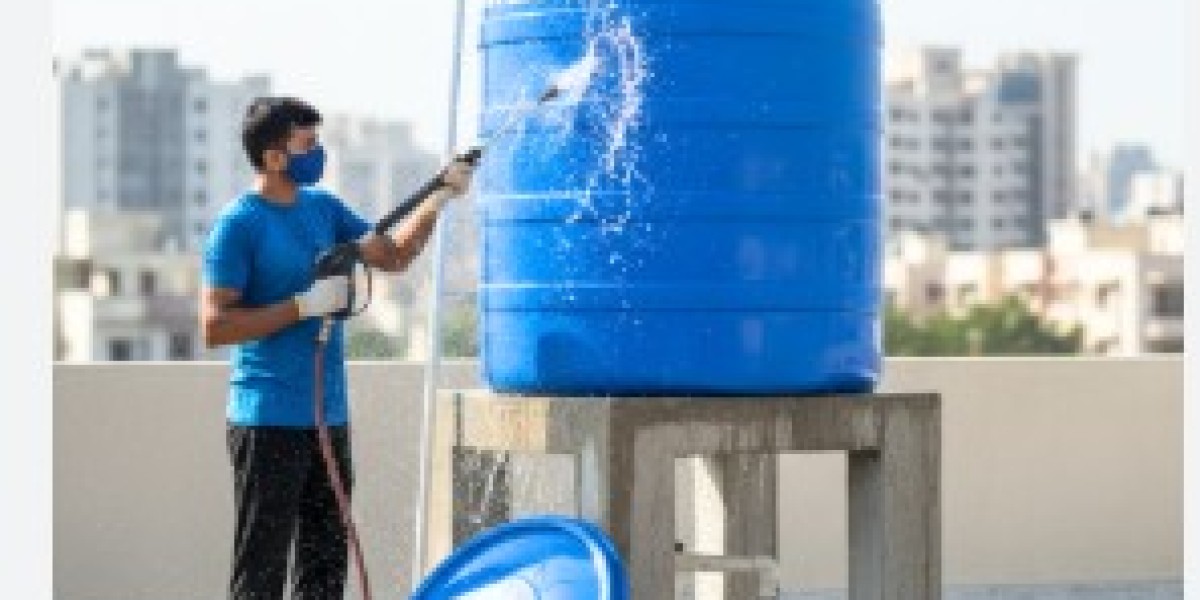
Step 5: High-Pressure Cleaning
Many professional services use high-pressure water systems to remove stubborn deposits.
This method helps clean:
Tank walls
Floors
Corners
Pipe connections
It provides a deeper clean compared to basic washing.
Step 6: Disinfection
After cleaning, the tank is disinfected using approved products.
Disinfection removes:
Bacteria
Viruses
Fungi
Harmful microorganisms
This step ensures the tank is safe before refilling.
Step 7: Final Inspection and Refill
After rinsing, technicians inspect the tank again before filling it with fresh water.
They also check:
Water quality
Pipe connections
Tank cover security
Leakage problems
The water supply is restored only after the tank is confirmed clean.
Benefits of Professional Apartment Water Tank Cleaning
Large apartment tanks require experience and specialized equipment.
Professional cleaning services provide:
Better Cleaning Quality
Experts use advanced tools to remove deep contamination and stubborn deposits.
Improved Safety
Professionals follow safety procedures when working with large tanks and confined spaces.
Time Efficiency
A trained team can complete the cleaning process faster than individual maintenance workers.
Proper Disinfection
Professionals ensure correct disinfectant use and complete sanitation.
Detailed Inspection
Technicians can identify hidden issues that may affect future water quality.
Maintenance Tips for Apartment Water Tanks
Building managers and housing societies should follow these maintenance practices:
Schedule regular tank cleaning.
Inspect tanks every few months.
Keep tank covers secure.
Repair leaks quickly.
Clean surrounding areas.
Monitor water quality.
Maintain cleaning records.
Test water when necessary.
Good maintenance prevents major problems and protects residents.
Role of Building Management
Apartment management plays an important role in maintaining water quality.
Management should:
Create a cleaning schedule
Hire reliable professionals
Inform residents about maintenance work
Maintain service records
Respond quickly to complaints
Proper management ensures that residents receive safe and clean water.
Choosing the Right Water Tank Cleaning Company
When selecting a cleaning service for an apartment building, consider:
Experience with large tanks
Professional equipment
Trained technicians
Safe cleaning methods
Proper disinfection procedures
Good customer reviews
Transparent pricing
A reliable company ensures effective cleaning without damaging the tank.
Common Mistakes in Apartment Water Tank Maintenance
Avoid these mistakes:
Cleaning only when problems appear
Ignoring regular inspections
Using unapproved chemicals
Failing to disinfect
Not repairing damaged covers
Skipping water quality checks
Preventive maintenance is always better than emergency solutions.
Conclusion
Water tank cleaning is an essential responsibility for every apartment building. Since many families depend on the same water storage system, maintaining a clean and hygienic tank is necessary for protecting public health and ensuring resident satisfaction.
Regular cleaning removes harmful contaminants, improves water quality, prevents diseases, and extends the life of the water storage system. By scheduling professional cleaning every three to six months, performing routine inspections, and following proper maintenance practices, apartment buildings can provide safe, fresh, and reliable water for all residents.