
Hypertension, commonly known as high blood pressure, is one of the most prevalent health concerns affecting millions of people worldwide. It is often referred to as the "silent killer" because it may not show noticeable symptoms until it leads to serious complications such as heart disease, stroke, or kidney damage. While medication and lifestyle modifications are important components of hypertension management, yoga has emerged as a natural and effective complementary practice for supporting cardiovascular health.
A well-chosen hypertension yoga pose can help calm the nervous system, reduce stress hormones, improve circulation, and promote relaxation. By combining gentle physical movements, controlled breathing techniques, and mindfulness, yoga offers a holistic approach to lowering blood pressure naturally.
Understanding Hypertension and Its Causes
Blood pressure is the force exerted by circulating blood against the walls of the arteries. When this pressure remains consistently elevated, it is classified as hypertension. Several factors contribute to high blood pressure, including:
Chronic stress
Sedentary lifestyle
Poor dietary habits
Excessive salt intake
Obesity
Smoking
Excessive alcohol consumption
Genetic predisposition
Aging
Stress is one of the most significant contributors to hypertension. Constant tension activates the body's fight-or-flight response, causing blood vessels to constrict and heart rate to increase. Practicing a suitable hypertension yoga pose helps counteract this stress response and encourages the body to enter a state of relaxation.
How Yoga Helps Control High Blood Pressure
Yoga benefits blood pressure in several ways:
Reduces Stress Levels
Yoga encourages deep breathing and mindfulness, which activate the parasympathetic nervous system. This helps reduce cortisol levels and lowers stress-related increases in blood pressure.
Improves Blood Circulation
Gentle stretches and movements improve circulation throughout the body, allowing oxygen and nutrients to reach tissues more efficiently.
Enhances Heart Health
Regular yoga practice can strengthen the cardiovascular system, improve heart rate variability, and support overall heart function.
Promotes Better Sleep
Poor sleep quality is linked to hypertension. Yoga helps calm the mind and improve sleep patterns, indirectly supporting healthy blood pressure levels.
Encourages Healthy Lifestyle Choices
People who practice yoga often become more mindful of their eating habits, physical activity, and overall well-being.
Best Hypertension Yoga Pose Practices
The following yoga poses are considered beneficial for individuals seeking natural ways to manage high blood pressure.
1. Sukhasana (Easy Pose)
Sukhasana is one of the simplest yet most effective poses for relaxation and meditation.
Benefits:
Calms the nervous system
Reduces anxiety
Improves breathing awareness
Supports mental clarity
How to Practice:
Sit comfortably with crossed legs.
Keep your spine straight.
Rest your hands on your knees.
Close your eyes and focus on deep breathing.
Hold for 5–10 minutes.
This gentle hypertension yoga pose is ideal for beginning and ending your yoga session.
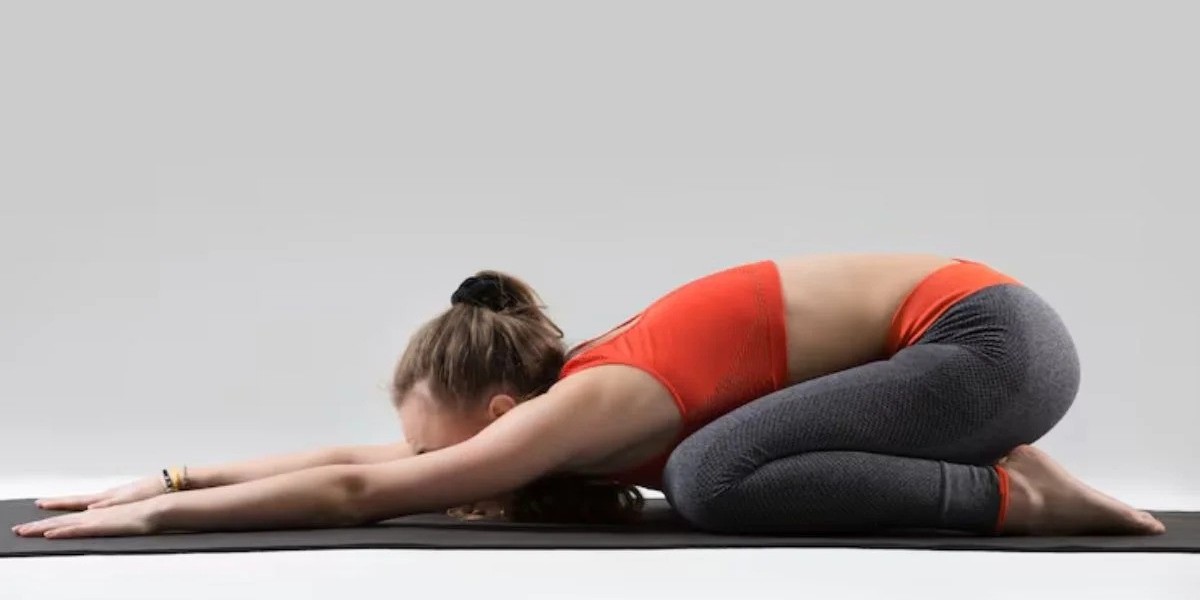
2. Balasana (Child's Pose)
Balasana is a deeply restorative pose that encourages relaxation and stress relief.
Benefits:
Relaxes the body
Releases tension in the back and shoulders
Promotes emotional balance
Supports lower blood pressure
How to Practice:
Kneel on the floor.
Sit back on your heels.
Fold forward and extend your arms.
Rest your forehead on the mat.
Breathe deeply for several minutes.
Many yoga therapists recommend this hypertension yoga pose because of its calming effects on the nervous system.
3. Viparita Karani (Legs-Up-The-Wall Pose)
Viparita Karani is one of the most restorative poses in yoga.
Benefits:
Reduces stress
Improves circulation
Relieves tired legs
Encourages relaxation
How to Practice:
Sit beside a wall.
Lie down and extend your legs up the wall.
Keep your arms relaxed at your sides.
Close your eyes and breathe naturally.
Remain in the pose for 5–15 minutes.
This restorative hypertension yoga pose is particularly effective after a stressful day.
4. Baddha Konasana (Butterfly Pose)
This seated posture opens the hips and promotes relaxation.
Benefits:
Improves circulation
Reduces fatigue
Supports relaxation
Encourages mindfulness
How to Practice:
Sit on the floor.
Bring the soles of your feet together.
Allow your knees to drop outward.
Hold your feet and sit tall.
Breathe slowly and deeply.
A regular hypertension yoga pose routine often includes Butterfly Pose because it is gentle and accessible.
5. Paschimottanasana (Seated Forward Bend)
Forward bends are known for their calming and introspective qualities.
Benefits:
Relaxes the mind
Reduces anxiety
Improves flexibility
Supports healthy blood pressure
How to Practice:
Sit with legs extended forward.
Inhale and lengthen your spine.
Exhale and fold forward gently.
Hold your feet or shins.
Stay for 30–60 seconds.
This hypertension yoga pose should be performed slowly and without strain.
6. Shavasana (Corpse Pose)
Shavasana is often considered the most important relaxation pose in yoga.
Benefits:
Deeply relaxes the body
Lowers stress hormones
Calms the heart rate
Promotes overall well-being
How to Practice:
Lie flat on your back.
Keep your arms slightly away from the body.
Close your eyes.
Focus on your breath.
Relax completely for 10–15 minutes.
No hypertension yoga pose sequence is complete without Shavasana.
Breathing Techniques for Hypertension
Yoga breathing exercises, known as pranayama, can significantly enhance the effectiveness of yoga poses.
Anulom Vilom (Alternate Nostril Breathing)
Benefits:
Balances the nervous system
Reduces stress
Improves oxygen flow
Bhramari Pranayama (Bee Breath)
Benefits:
Calms the mind
Reduces anxiety
Helps lower blood pressure naturally
Deep Diaphragmatic Breathing
Benefits:
Encourages relaxation
Improves lung function
Supports cardiovascular health
Combining pranayama with a regular hypertension yoga pose practice can produce powerful results.
Yoga Lifestyle Tips for Managing Hypertension
To maximize the benefits of yoga, consider adopting these healthy habits:
Follow a Balanced Diet
Include:
Fresh fruits
Vegetables
Whole grains
Nuts and seeds
Adequate hydration
Limit:
Processed foods
Excess salt
Sugary beverages
Maintain a Consistent Practice
Practicing a hypertension yoga pose routine for even 20–30 minutes daily can make a noticeable difference over time.
Prioritize Sleep
Aim for 7–9 hours of quality sleep each night to support cardiovascular health.
Stay Physically Active
In addition to yoga, engage in activities such as walking, swimming, or cycling.
Manage Stress Mindfully
Meditation, journaling, and mindful breathing can complement your yoga practice and help maintain healthy blood pressure levels.
Precautions for Individuals with Hypertension
While yoga is generally safe, certain precautions should be observed:
Consult your healthcare provider before starting a new yoga program.
Avoid intense or strenuous poses.
Do not hold your breath during practice.
Move slowly between positions.
Stop immediately if you experience dizziness or discomfort.
Avoid advanced inversions unless approved by a qualified instructor and healthcare professional.
Listening to your body is essential when practicing any hypertension yoga pose.
Conclusion
Yoga offers a gentle yet powerful way to support healthy blood pressure levels and improve overall well-being. Through mindful movement, controlled breathing, and deep relaxation, a carefully selected hypertension yoga pose routine can help reduce stress, improve circulation, and enhance cardiovascular health. Poses such as Sukhasana, Balasana, Viparita Karani, Baddha Konasana, Paschimottanasana, and Shavasana provide excellent benefits for individuals seeking natural methods to manage hypertension.
When practiced consistently and combined with a healthy lifestyle, yoga can become a valuable tool in maintaining balanced blood pressure and fostering long-term physical and mental wellness. Whether you are a beginner or an experienced practitioner, incorporating a daily hypertension yoga pose practice can contribute significantly to a healthier, calmer, and more balanced life.