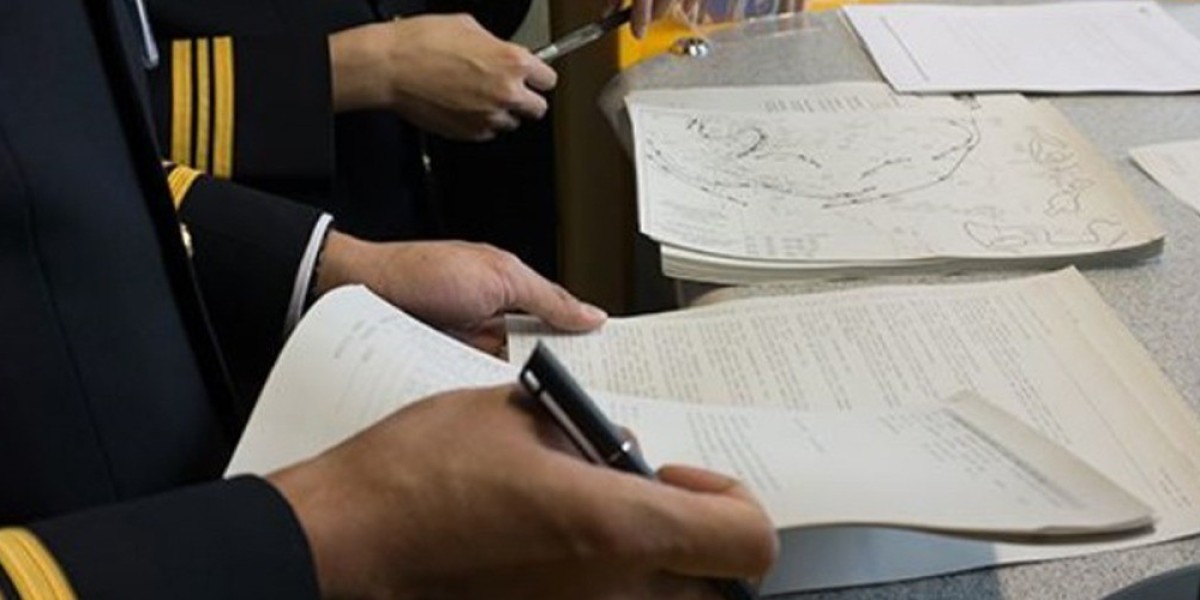

Becoming a commercial pilot is a dream for many aviation enthusiasts who want to build a successful career in the aviation industry. However, achieving this goal requires dedication, proper guidance, and thorough preparation for the DGCA Commercial Pilot Licence (CPL) examinations. Joining professional CPL classes can help aspiring pilots understand the exam pattern, syllabus requirements, and effective preparation strategies. The Directorate General of Civil Aviation (DGCA) has designed the CPL syllabus to ensure candidates develop the essential theoretical knowledge and skills required for safe and professional aircraft operations.
If you're preparing for the DGCA CPL exams, understanding the syllabus and following the right study strategy can significantly improve your chances of success. Skywize Aviation is committed to helping aspiring pilots build a strong foundation through expert guidance, modern training methods, and industry-focused education.
What is the DGCA CPL Exam?
The DGCA Commercial Pilot Licence (CPL) examination is a mandatory step for candidates who wish to pursue a professional flying career in India. Passing these exams demonstrates that a candidate has the theoretical knowledge required before moving ahead with practical flight training and licensing requirements.
Apart from theoretical knowledge, candidates must also complete flying hours, medical examinations, and skill tests before obtaining their CPL.
DGCA CPL Exam Eligibility
Before appearing for the DGCA CPL exams, candidates generally need to meet the following requirements:
- Minimum age of 18 years.
- Completion of 10+2 with Physics and Mathematics.
- Valid Class II and eventually Class I Medical Certificate.
- Enrollment in a recognized flying training organization.
- Adequate English language proficiency.
Choosing the right CPL institute Chandigarh can make the preparation process much smoother by providing structured learning and experienced instructors.
Understanding the DGCA CPL Exam Syllabus
The DGCA CPL syllabus is designed to cover every aspect of aviation knowledge required for commercial pilots.
1. Air Navigation
Air Navigation is considered one of the most important and challenging subjects. It includes:
- Maps and charts
- Flight planning
- Dead reckoning
- Radio navigation
- Time-speed-distance calculations
- Navigation instruments
- Latitude and longitude
- Great circle routes
A strong understanding of navigation is essential for safe flight operations.
2. Aviation Meteorology
Weather plays a vital role in aviation safety. This subject covers:
- Atmosphere structure
- Pressure systems
- Winds
- Clouds
- Rainfall
- Thunderstorms
- Turbulence
- Weather charts
- Aviation weather reports
- Monsoon patterns
- Tropical weather systems
Understanding meteorology helps pilots make informed flight decisions.
3. Air Regulations
Air Regulations focus on aviation laws and operational procedures, including:
- ICAO standards
- DGCA regulations
- Aircraft documentation
- Pilot responsibilities
- Air traffic services
- Rules of the air
- Flight operations
- Aviation safety procedures
This subject ensures pilots understand the legal framework governing aviation.
4. Technical General
Technical General provides knowledge about aircraft systems and operations.
Topics include:
- Aircraft structures
- Engines
- Fuel systems
- Hydraulic systems
- Electrical systems
- Landing gear
- Flight controls
- Aircraft performance
- Instruments
A commercial pilot must understand how aircraft function to operate them safely.
5. Technical Specific
Technical Specific focuses on the aircraft model used during training.
Students learn:
- Aircraft limitations
- Performance charts
- Normal procedures
- Emergency procedures
- Aircraft manuals
- Weight and balance
This knowledge is directly applicable during practical flight training.
6. Radio Telephony (RTR Preparation)
Although conducted separately, Radio Telephony preparation is equally important.
Students learn:
- Standard aviation phraseology
- ATC communication
- Radio procedures
- Emergency communication
- Practical communication skills
Strong communication skills improve operational safety and professionalism.
Effective Strategies to Ace the DGCA CPL Exams
Create a Structured Study Plan
Break the syllabus into manageable sections and allocate dedicated time for each subject. Consistent daily study is far more effective than last-minute preparation.
Focus on Conceptual Understanding
Instead of memorizing answers, understand the concepts behind aviation principles. This approach helps solve application-based questions with confidence.
Practice Previous Year Papers
Previous question papers help students:
- Understand exam patterns
- Identify important topics
- Improve speed
- Build confidence
- Reduce exam anxiety
Regular practice also highlights areas requiring additional attention.
Revise Regularly
Revision is the key to retaining complex aviation concepts.
Prepare:
- Short notes
- Formula sheets
- Flashcards
- Mind maps
These tools make last-minute revision much easier.
Take Mock Tests
Mock examinations simulate the actual exam environment.
Benefits include:
- Better time management
- Improved accuracy
- Reduced stress
- Performance evaluation
- Confidence building
Strengthen Mathematics and Physics Basics
Many aviation calculations rely on fundamental mathematical and physical concepts. Refreshing these basics makes navigation and technical subjects easier to understand.
Importance of Professional CPL Training
Self-study is valuable, but professional guidance significantly improves preparation. Quality CPL Training provides students with:
- Experienced aviation instructors
- Updated DGCA syllabus
- Structured classroom sessions
- Regular assessments
- Practical problem-solving
- Personalized mentoring
- Doubt-clearing sessions
Professional coaching also keeps students disciplined and motivated throughout their preparation.
Why Choose Skywize Aviation?
Skywize Aviation is dedicated to preparing future commercial pilots through comprehensive academic support and practical aviation education. Students looking for CPL classes in Chandigarh benefit from a learning environment designed to meet DGCA standards and industry expectations.
At Skywize Aviation, aspiring pilots receive:
- Experienced aviation faculty
- Comprehensive DGCA syllabus coverage
- Regular mock examinations
- Interactive classroom learning
- Individual mentoring
- Updated study materials
- Exam-oriented preparation
- Guidance throughout the CPL journey
The academy focuses not only on helping students clear examinations but also on developing the knowledge and confidence needed for a successful aviation career.
Common Mistakes to Avoid During Preparation
Many students struggle because of avoidable mistakes such as:
- Ignoring difficult subjects
- Inconsistent study schedules
- Skipping revisions
- Relying only on memorization
- Not attempting mock tests
- Poor time management
Avoiding these pitfalls can greatly improve overall performance.
Career Opportunities After CPL
After successfully obtaining a Commercial Pilot Licence, candidates can explore various career paths, including:
- Airline Pilot
- Charter Pilot
- Cargo Pilot
- Flight Instructor
- Corporate Aviation Pilot
- Air Ambulance Pilot
- Government Aviation Services
With the rapid growth of India's aviation industry, qualified commercial pilots continue to enjoy excellent career prospects.
Final Thoughts
The DGCA CPL examination is a crucial milestone for anyone aspiring to become a commercial pilot. A clear understanding of the syllabus, disciplined preparation, and continuous practice are the keys to success. By following a structured study plan and seeking professional guidance, aspiring pilots can confidently achieve their aviation goals.
Skywize Aviation provides aspiring aviators with quality education, expert mentorship, and comprehensive CPL Training to help them excel in DGCA examinations. Whether you're searching for a trusted CPL institute Chandigarh or looking for reliable CPL classes in Chandigarh, choosing the right training partner can make all the difference in your journey toward a rewarding career in aviation.