
Haemorrhoids are a common condition that can affect people of all ages. Although many individuals experience them at some point in their lives, they often hesitate to seek help due to embarrassment or fear. Fortunately, Haemorrhoids treatment in Dubai offers modern and effective solutions that can relieve discomfort and help patients return to their normal routines with confidence.
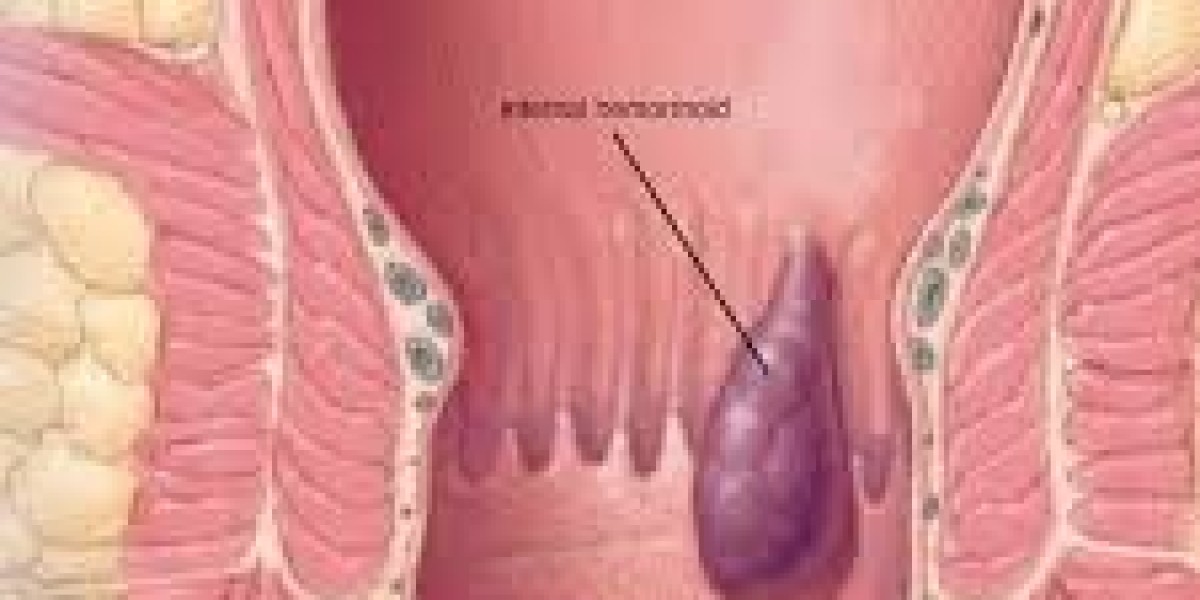
Haemorrhoids, also known as piles, are swollen veins in the lower rectum or around the anus. They may develop internally or externally and can cause pain, itching, bleeding, and discomfort during bowel movements. While mild cases may improve with lifestyle changes, persistent or severe haemorrhoids often require professional treatment.
Today, advanced medical techniques have made treating haemorrhoids safer, more comfortable, and more effective than ever before. Whether you are experiencing occasional symptoms or long-term discomfort, understanding your treatment options is the first step toward lasting relief.
What Are Haemorrhoids?
Haemorrhoids are enlarged blood vessels located in the anal canal or rectum. These swollen veins develop when excessive pressure is placed on the lower rectum, leading to inflammation and discomfort.
There are two primary types of haemorrhoids:
Internal Haemorrhoids
Internal haemorrhoids develop inside the rectum. They are usually painless but may cause bleeding during bowel movements.
External Haemorrhoids
External haemorrhoids develop beneath the skin surrounding the anus. These can become painful, itchy, swollen, and may form blood clots that increase discomfort.
Common Symptoms of Haemorrhoids
Recognizing the symptoms early can help prevent complications and improve treatment outcomes.
Common symptoms include:
- Bright red blood during bowel movements
- Pain while sitting
- Anal itching
- Swelling around the anus
- Burning sensation
- A lump near the anal opening
- Mucus discharge
- Feeling of incomplete bowel emptying
Symptoms vary depending on the severity and type of haemorrhoids.
What Causes Haemorrhoids?
Several lifestyle and medical factors can increase the likelihood of developing haemorrhoids.
Common causes include:
- Chronic constipation
- Frequent straining during bowel movements
- Prolonged sitting
- Low-fiber diet
- Pregnancy
- Obesity
- Heavy lifting
- Aging
- Chronic diarrhea
- Family history
Reducing these risk factors can lower the chances of recurrence.
Who Is an Ideal Candidate for Haemorrhoids Treatment in Dubai?
Many individuals can benefit from Haemorrhoids Treatment in Dubai, particularly those who experience ongoing symptoms that affect daily life.
Suitable candidates include people who:
- Experience frequent rectal bleeding
- Have painful bowel movements
- Notice swelling around the anus
- Have recurring haemorrhoids
- Do not improve with home remedies
- Want long-lasting symptom relief
- Experience discomfort while sitting or walking
A proper evaluation helps determine the most appropriate treatment approach.
Diagnosis Before Treatment
Accurate diagnosis is essential before beginning any treatment.
Assessment may include:
- Medical history review
- Physical examination
- Digital rectal examination
- Anoscopy
- Sigmoidoscopy when needed
- Colonoscopy for selected patients
These examinations help determine the type and severity of haemorrhoids while ruling out other digestive conditions.
Available Haemorrhoids Treatment in Dubai
Modern treatment options are selected according to the size, location, and severity of the haemorrhoids.
Lifestyle Modifications
Early-stage haemorrhoids often respond well to healthy lifestyle changes.
These may include:
- Increasing fiber intake
- Drinking more water
- Regular exercise
- Avoiding prolonged sitting
- Improving bowel habits
Medication
Some patients benefit from medications that help reduce inflammation and relieve symptoms.
These may include:
- Anti-inflammatory creams
- Medicated ointments
- Suppositories
- Pain relief medications
Medication primarily helps manage symptoms rather than permanently remove haemorrhoids.
Rubber Band Ligation
This minimally invasive procedure places a small rubber band around the haemorrhoid, cutting off its blood supply until it naturally falls off.
It is commonly recommended for internal haemorrhoids.
Sclerotherapy
A special solution is injected into the haemorrhoid, causing it to shrink over time.
This option is suitable for selected mild to moderate cases.
Infrared Coagulation
Infrared energy is used to shrink internal haemorrhoids by reducing their blood supply.
The procedure is quick and generally involves minimal discomfort.
Laser Haemorrhoid Treatment
Laser technology has become an increasingly popular option because it precisely targets affected tissue while minimizing damage to surrounding areas.
Benefits often include:
- Less bleeding
- Reduced discomfort
- Faster healing
- Minimal scarring
- Quicker return to daily activities
Surgical Haemorrhoid Removal
For severe or advanced haemorrhoids, surgery may provide the most effective long-term solution.
Surgical treatment is generally recommended when:
- Large haemorrhoids are present
- Other treatments have failed
- There is recurrent bleeding
- Significant prolapse occurs
Benefits of Haemorrhoids Treatment in Dubai
Choosing professional Haemorrhoids Treatment in Dubai offers several important advantages.
These include:
- Long-lasting symptom relief
- Improved comfort
- Reduced pain
- Better bowel function
- Lower recurrence risk
- Enhanced daily activities
- Improved hygiene
- Better overall quality of life
- Modern minimally invasive options
- Faster recovery in many cases
What to Expect During Treatment
Treatment usually follows a straightforward process.
It generally includes:
- Initial consultation
- Physical examination
- Diagnostic assessment
- Selection of suitable treatment
- Completion of the chosen procedure
- Recovery guidance
- Follow-up appointments if required
Many minimally invasive procedures are completed within a short period, allowing patients to resume normal activities relatively quickly.
Recovery and Aftercare
Recovery depends on the treatment performed, but following aftercare instructions helps support healing.
Helpful recovery tips include:
- Drink plenty of water
- Eat high-fiber foods
- Avoid heavy lifting
- Keep the area clean
- Take short walks
- Avoid prolonged sitting
- Follow prescribed medications
- Prevent constipation
- Attend follow-up visits
Maintaining healthy bowel habits can significantly reduce the chance of future haemorrhoids.
Can Haemorrhoids Be Prevented?
Although not every case is preventable, adopting healthy lifestyle habits can greatly reduce your risk.
Preventive measures include:
- Eating fiber-rich meals
- Staying hydrated
- Exercising regularly
- Avoiding excessive straining
- Responding promptly to bowel urges
- Maintaining a healthy weight
- Limiting long periods of sitting
Small daily habits often make a significant difference in digestive health.
Frequently Asked Questions
Is haemorrhoids treatment painful?
Most modern treatments are designed to minimize discomfort, especially minimally invasive procedures.
How long does recovery take?
Recovery varies depending on the treatment method, but many patients recover within days to a few weeks.
Can haemorrhoids return after treatment?
Recurrence is possible, but maintaining healthy bowel habits and lifestyle changes can significantly reduce the risk.
Are all haemorrhoids treated with surgery?
No. Many cases respond well to non-surgical or minimally invasive treatments.
When should I seek treatment?
If symptoms persist, worsen, or include ongoing bleeding, it is advisable to seek professional evaluation.
Conclusion
Living with haemorrhoids can interfere with comfort, confidence, and everyday activities, but effective care is available. Modern Haemorrhoids Treatment in Dubai provides a variety of safe and advanced options designed to relieve symptoms, improve healing, and reduce the likelihood of recurrence. From lifestyle management and minimally invasive procedures to surgical solutions for more advanced cases, treatment plans can be tailored to individual needs. Seeking timely care can help prevent complications and restore a better quality of life. For those looking for comprehensive support and modern treatment options, Tajmeels Clinic offers patient-focused care in a comfortable environment.