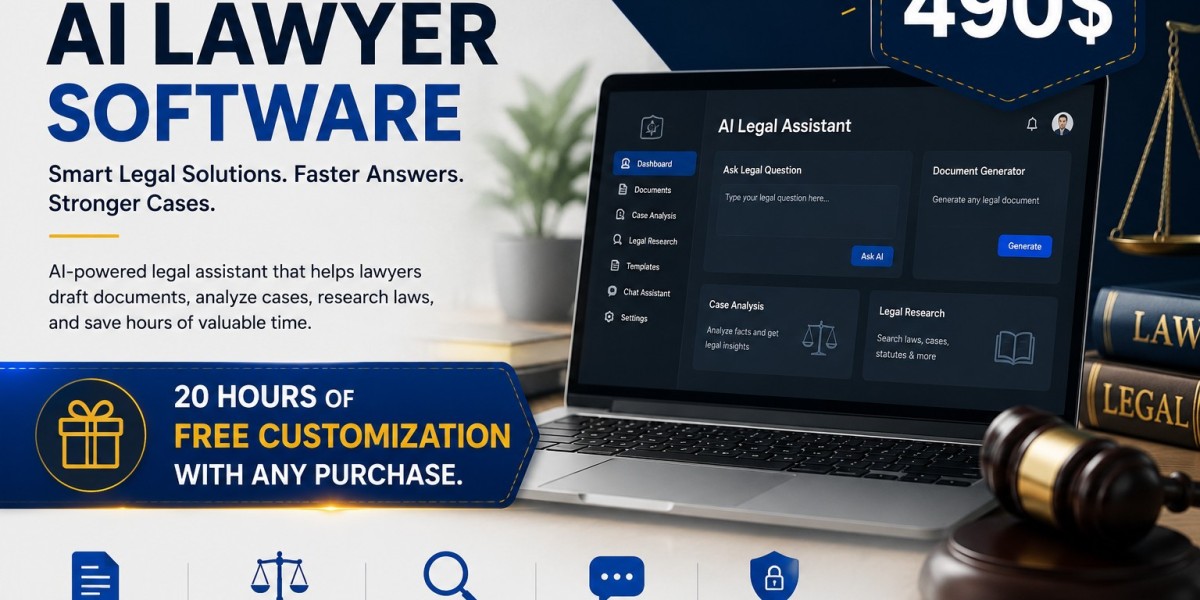

Picture two founders facing the same twelve-page partnership agreement on a Tuesday afternoon. One emails a law firm and waits four days for a callback. The other runs it through software and has a flagged summary before her coffee cools. Same document, wildly different journeys. Which one fits your week?
That question deserves a fair, unhurried answer. So let us compare an automated approach against the traditional route across the five factors that actually shape your decision.
Difference 1: Speed of Turnaround
Traditional legal work moves at the pace of someone else’s calendar. Attorneys juggle dozens of clients, so your urgent matter waits behind theirs. An AI contract review tool flips that entirely. You upload, it scans, and results appear in moments. For time-sensitive deals, that gap between days and seconds can decide whether an opportunity survives. A supplier who needs an answer by Friday will not wait for a callback that lands next Wednesday.
Difference 2: Cost Structure
Hourly billing punishes complexity and rewards nobody but the clock. A single review can run several hundred dollars before anyone raises a real concern. Software carries a flat, predictable cost. You always know the number before you commit. For businesses tracking every dollar, that transparency changes how often they seek help at all. Suddenly reviewing a lease feels affordable instead of extravagant, and you review more, not less, which keeps you safer overall.
Difference 3: Depth of Human Insight
Here is where honesty matters. A seasoned attorney brings courtroom instinct and negotiation history that no algorithm fully replicates. When a merger hangs in the balance or a lawsuit looms, that human depth is priceless. The smartest move is not choosing one forever. It is knowing which tool suits which moment, and reserving expensive expertise for the situations that truly demand it. A good attorney will also respect a client who arrives prepared, having already sorted the routine questions before the meeting even starts.
Difference 4: Consistency and Fatigue
People get tired. A lawyer reviewing their ninth document at 6 p.m. may skim where they once scrutinized. An automated contract analysis platform applies the same rigor to your document whether it is the first of the day or the fortieth. That steady consistency catches the small omissions that human fatigue tends to miss, like a missing governing-law clause buried on page nine.
Difference 5: Ownership and Learning
Outsourcing everything keeps you dependent. Every time you use an AI contract review tool, you see the reasoning, the flagged risks, and the plain-English explanations. Over time you actually learn what to watch for. Pair that with a proper AI legal document generator and you stop being a passive client. You become someone who understands their own paperwork and negotiates from a stronger footing.
A Balanced Way to Decide
Think of it as a spectrum, not a fistfight. Routine agreements, vendor terms, and standard NDAs sit comfortably in software territory. High-stakes litigation and regulatory tangles belong with a licensed professional. Most businesses live mostly in the first zone and only occasionally visit the second.
This is exactly the philosophy Zipprr designed its legal suite around. Its automated contract review tool handles the volume of everyday work so human experts can focus where they truly shine. You get fast, affordable coverage for the common tasks and a clearer, cheaper handoff when a specialist is genuinely needed.
Consider a growing e-commerce brand signing supplier contracts every month. Sending each one to a firm would drain both budget and patience. Running them through software first means only the genuinely unusual ones ever reach a lawyer, and those reviews cost far less because the groundwork is done. The firm bills for judgment, not for reading.
What the Comparison Reveals
The real lesson is not that one approach wins. It is that treating legal support as all-or-nothing wastes money and time. The businesses that thrive blend both intelligently, leaning on automation for speed and scale while reserving human counsel for genuine complexity.
If you want to see how each option performs on specific document types, the comparisons and breakdowns inside the Zipprr legal AI tools collection lay it out clearly. And for foundational context, the walkthroughs in the legal guides section explain when to lean which way without any sales pressure.
Your decision comes down to a simple honest question. What does this particular document actually require? Answer that, and the choice between software and attorney stops feeling like a dilemma and starts feeling obvious.
Speed, cost, and control point one direction for everyday work. Deep human judgment points another for the rare high-stakes moment. Knowing the difference is the whole skill. Master it, and you will never overpay for simple tasks or under-prepare for serious ones again.
LSI Keywords (10)
1. legal service comparison
2. contract analysis software
3. attorney hourly rates
4. automated legal review
5. document risk assessment
6. legal budget planning
7. flat-fee legal help
8. clause detection
9. legal decision framework
10. contract turnaround time
Semantic Keywords (10)
1. cost efficiency
2. legal expertise
3. negotiation strategy
4. risk flagging
5. professional counsel
6. agreement analysis
7. billable hours
8. due diligence
9. legal workflow
10. document scanning
Related Entities (10)
1. American Bar Association (Organization)
2. Clio (Company)
3. LawGeex (Company)
4. Machine Learning (Technology)
5. Breach of Contract (Legal concept)
6. Due Diligence (Legal concept)
7. Retainer Agreement (Legal concept)
8. Thomson Reuters (Company)
9. Federal Trade Commission (Organization)
10. Force Majeure (Legal concept)
People Also Ask (5)
1. Is an AI contract review tool as accurate as a lawyer?
2. When should I hire an attorney instead of using software?
3. How much cheaper is automated contract review?
4. Can software catch hidden risks in a contract?
5. Do I still need a lawyer if I use legal automation?
FAQ (3)
Q: Can an AI contract review tool replace my attorney entirely? A: Not entirely. It excels at routine and repetitive review, but complex litigation and negotiation still benefit from human expertise. Most businesses use both strategically.
Q: How does the cost compare to hiring a lawyer per document? A: Automated review typically carries a flat, predictable fee, while attorneys bill hourly. For everyday agreements, the savings are substantial.
Q: Will using software help me understand contracts better? A: Yes. Because it shows plain-English explanations for each flagged item, you gradually learn to spot risks on your own.
Schema Recommendation
Article + FAQ + SoftwareApplication
Image Suggestion
A split-screen visual with a busy law office on one side and a founder calmly reviewing a screen on the other, balanced lighting suggesting a fair comparison.
Alt Text
Comparison of traditional attorney service and an AI contract review tool shown side by side
Image File Name
ai-contract-review-tool-vs-attorney-comparison.jpg
Social Caption
Attorney or software for that contract? The honest answer depends on the document. Here is a fair five-point comparison to help you choose.
Twitter/X Caption
Two founders, same 12-page contract. One waits 4 days. One gets answers before coffee cools. Here is when to use an AI contract review tool vs a lawyer.
LinkedIn Caption
Treating legal support as all-or-nothing quietly wastes money and time. I compared automated contract review against traditional attorneys across five real factors: speed, cost, insight, consistency, and control. The goal is not picking a winner. It is knowing which fits the moment.
CTA
Stop overpaying for routine reviews. Try the Zipprr AI contract review tool and see exactly what your contracts are hiding before you sign.