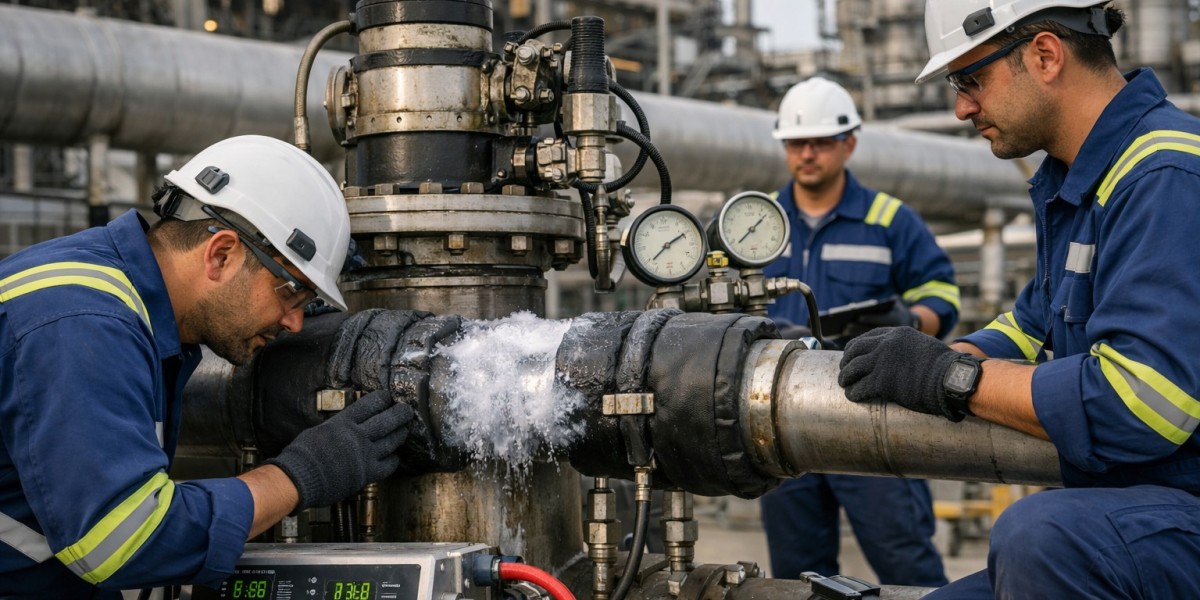

Hot tapping is a useful method that allows work to be carried out on an existing pipeline while the system is still operating. Hot tapping services in UAE are used in different industrial settings where stopping the flow of water, gas, oil, or other materials may affect normal operations. However, hot tapping involves working on pressurized and active pipelines, so careful planning and proper safety controls are important. Understanding the possible risks can help workers and site managers prepare for the job and reduce the chance of accidents.
Working on a Pressurized Pipeline
One of the main risks in hot tapping is working on a pipeline that is under pressure. Unlike normal pipe repair work, the existing line may continue to carry fluid or gas during the operation. If the pressure is not properly checked, an unexpected release can occur.
Before starting the work, the pipeline pressure, temperature, and contents should be identified. Workers should also understand how the pipeline is connected to other parts of the system. This information helps the team select suitable equipment and follow the correct work procedure.
Risk of Fluid or Gas Release
Hot tapping creates an opening in an existing pipeline. If the equipment, fittings, or connection are not correctly installed, the material inside the pipeline may escape. Depending on the type of substance, this could create different safety concerns.
Water may cause flooding or slippery surfaces, while flammable gases or liquids can create a serious fire risk. Some industrial substances may also be harmful if they come into contact with people. For this reason, the contents of the pipeline should always be confirmed before work begins.
Proper sealing and inspection of the connection are also important. Workers should check for leaks during the process and take action if any unusual condition is noticed.
Fire and Explosion Hazards
Fire and explosion are important risks when hot tapping is carried out on pipelines containing flammable materials. The work may involve cutting into the pipe while the system remains active. Heat generated during the operation can become dangerous if the pipeline contains the wrong type of material or if safety controls are not followed.
A detailed risk assessment should be completed before work starts. The team should understand the properties of the material inside the pipeline and check whether the conditions are suitable for hot tapping. Fire prevention measures, gas monitoring, and emergency plans may also be required depending on the work environment.
Incorrect Equipment Selection
Using unsuitable equipment can increase the risk of failure during hot tapping. The tapping machine, valve, fitting, and other components must be suitable for the pipeline size, pressure, temperature, and service conditions.
If equipment is not properly matched to the pipeline, it may not perform as expected. This can lead to leaks, equipment damage, or an uncontrolled release of material. Equipment should therefore be checked before use, and workers should follow the manufacturer's instructions and approved procedures.
Pipeline Material and Condition
The condition of the existing pipeline can also affect hot tapping work. Older pipes may have corrosion, wall thinning, cracks, or other damage that is not immediately visible. Cutting into a weak section of pipe can create additional risks.
Before selecting the tapping location, the pipe should be assessed to confirm that it has enough strength for the work. Inspection methods may be used to check the pipe wall and identify areas that should be avoided.
The pipeline material is also important. Different materials respond differently to heat and cutting operations. Understanding the pipe's construction helps the team choose a safe and suitable method.
Human Error and Poor Communication
People are an important part of any hot tapping operation, and mistakes can increase the level of risk. Miscommunication between workers, incorrect readings, or failure to follow the approved procedure can cause serious problems.
Everyone involved should understand their role before work begins. The team should discuss the work steps, possible hazards, emergency actions, and communication methods. Clear instructions are especially important when several teams are working in the same industrial area.
Workers should also have the right training and experience for the tasks they perform. Regular communication during the job can help identify changes in conditions before they become serious.
Pressure and Temperature Changes
Pipeline pressure and temperature may change during the hot tapping process. These changes can affect the equipment and the stability of the work area. Sudden pressure changes may also increase the chance of leaks or equipment movement.
The operating conditions of the pipeline should be monitored throughout the work. If the conditions move outside the safe limits set for the operation, the work may need to be stopped and reviewed.
Understanding how the pipeline operates under normal and changing conditions is an important part of planning. This helps workers respond quickly if unexpected changes occur.
Environmental and Site Hazards
Hot tapping work is often performed in busy industrial areas where other hazards may be present. Workers may have to deal with heavy equipment, restricted access, high temperatures, noise, poor lighting, or limited working space.
The work area should be inspected before starting. Safe access and exit routes should be available, and unnecessary personnel should stay away from the work zone. Appropriate personal protective equipment should also be used based on the hazards identified during the risk assessment.
Good housekeeping is another simple but important safety measure. Keeping tools, cables, and equipment organized can reduce trips and other workplace accidents.
Importance of Risk Assessment and Emergency Planning
A proper risk assessment helps identify the hazards connected with the pipeline and the planned work. It should consider the pipeline contents, operating pressure, temperature, pipe condition, equipment, work location, and possible emergency situations.
An emergency plan should also be prepared before the operation begins. Workers should know what to do if a leak, fire, equipment failure, or unexpected pressure change occurs. Emergency equipment should be available and easy to access.
Hot tapping requires careful planning because the work involves an active pipeline and several possible hazards. Understanding these risks allows workers to take suitable precautions and carry out the operation in a more controlled manner. A clear assessment of site conditions and pipeline characteristics is essential when planning Hot tapping services in UAE.