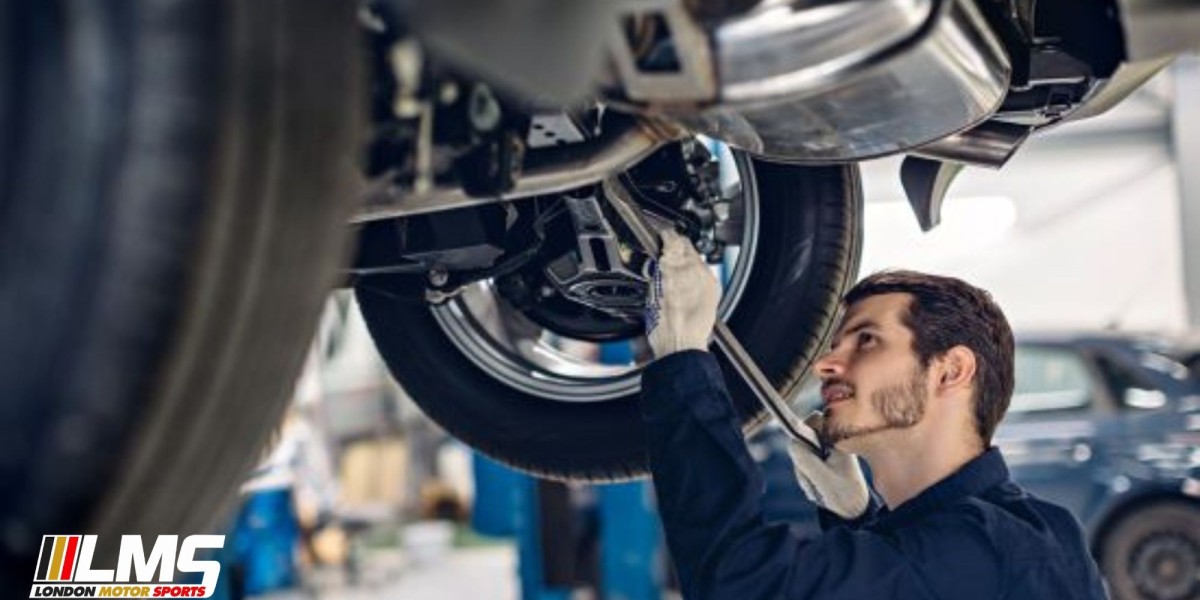

Keeping your car in good condition is one of the best ways to stay safe on the road. A regular MOT and service helps you find small problems before they become expensive repairs. It also improves your vehicle's performance, fuel efficiency, and reliability. Whether you drive every day or only on weekends, following a simple maintenance routine can save time, money, and stress.
This guide explains everything you need to know about an MOT and car service checklist in easy-to-understand language.
What Is an MOT?
An MOT is a yearly inspection that checks whether your vehicle meets the required road safety and environmental standards. During the test, important parts of your car are inspected, including the brakes, lights, tyres, steering, suspension, mirrors, exhaust system, and seat belts.
Passing an MOT shows that your vehicle is safe to drive at the time of the test. However, it does not replace regular maintenance. That is why combining an MOT with routine servicing is always a smart choice.
Why Is Regular Car Servicing Important?
A car service keeps your vehicle running smoothly and helps prevent unexpected breakdowns. During a service, technicians inspect, clean, adjust, and replace worn parts when needed. Regular servicing also helps improve fuel economy, extends engine life, and keeps your car performing at its best.
Ignoring routine maintenance can lead to costly repairs, poor performance, and reduced safety. A well-maintained vehicle is more reliable and often has a higher resale value.
Complete MOT and Service Checklist
Before taking your vehicle for an MOT or service, it is helpful to perform a few simple checks yourself.
Check Your Tyres
Tires are one of the most important safety features of any vehicle. Make sure they have enough tread depth and are free from cuts, cracks, or bulges. Check that all tyres are inflated to the correct pressure recommended by the manufacturer.
Test All Lights
Inspect your headlights, brake lights, fog lights, reversing lights, indicators, and number plate lights. Replace any faulty bulbs before your appointment.
Inspect Brakes
If you notice unusual noises, vibrations, or longer stopping distances, have your brakes checked immediately. Good braking performance is essential for safe driving.
Check Engine Oil
Engine oil keeps your engine properly lubricated. Use the dipstick to check the oil level and top it up if necessary. Clean oil helps reduce engine wear and improves performance.
Top Up Coolant
Coolant prevents your engine from overheating. Always make sure the coolant level is between the minimum and maximum marks.
Inspect Windscreen Wipers
Damaged or worn wiper blades reduce visibility during rain. Replace them if they leave streaks or fail to clean the windscreen properly.
Check the washer fluid.
Keep your windscreen washer bottle filled with suitable washer fluid to ensure clear visibility in all weather conditions.
Test the Battery
A weak battery can leave you stranded. Check for corrosion around the battery terminals and ensure it holds a proper charge.
Examine Seat Belts
Every seat belt should lock correctly, retract smoothly, and show no signs of damage.
Inspect Mirrors and Glass
Make sure mirrors are secure and clean. Check the windscreen for large chips or cracks that could affect visibility or cause an MOT failure.
Common Reasons Cars Fail an MOT
Many MOT failures happen because of simple problems that owners could fix beforehand. Some of the most common reasons include:
Worn tyres
Faulty lights
Low washer fluid
Damaged windscreen wipers
Brake problems
Suspension wear
Broken mirrors
Excessive exhaust emissions
Carrying out a basic inspection before your MOT can improve your chances of passing the test the first time.
How Often Should You Service Your Car?
Most manufacturers recommend servicing your vehicle every 12 months or after a certain number of miles, whichever comes first. Drivers who travel long distances or drive in heavy traffic may need more frequent servicing.
Always follow the maintenance schedule provided in your vehicle owner's manual.
Benefits of Combining MOT and Service
Booking your MOT and service together offers several advantages. It saves time because both jobs are completed during one visit. Mechanics can identify issues before they cause an MOT failure, helping reduce repair costs. Regular servicing also improves fuel efficiency, extends the life of your vehicle, and gives you greater confidence every time you drive.
Simple Tips to Keep Your Car Road Ready
Good driving habits and regular maintenance go hand in hand. Wash your car regularly to protect the paint, monitor tyre pressure every month, listen for unusual noises, and never ignore warning lights on the dashboard. Replacing worn parts early is usually much cheaper than waiting until they fail completely.
Keeping maintenance records is also useful when selling your vehicle, as buyers often prefer cars with a full service history.
Conclusion
A regular MOT and service is essential for keeping your vehicle safe, reliable, and efficient. By following this simple checklist and maintaining your car throughout the year, you can reduce repair costs, improve driving performance, and enjoy greater peace of mind. Looking after your vehicle today helps ensure safer journeys for you and your family tomorrow. Whether you drive daily or occasionally, regular maintenance is one of the smartest investments you can make.