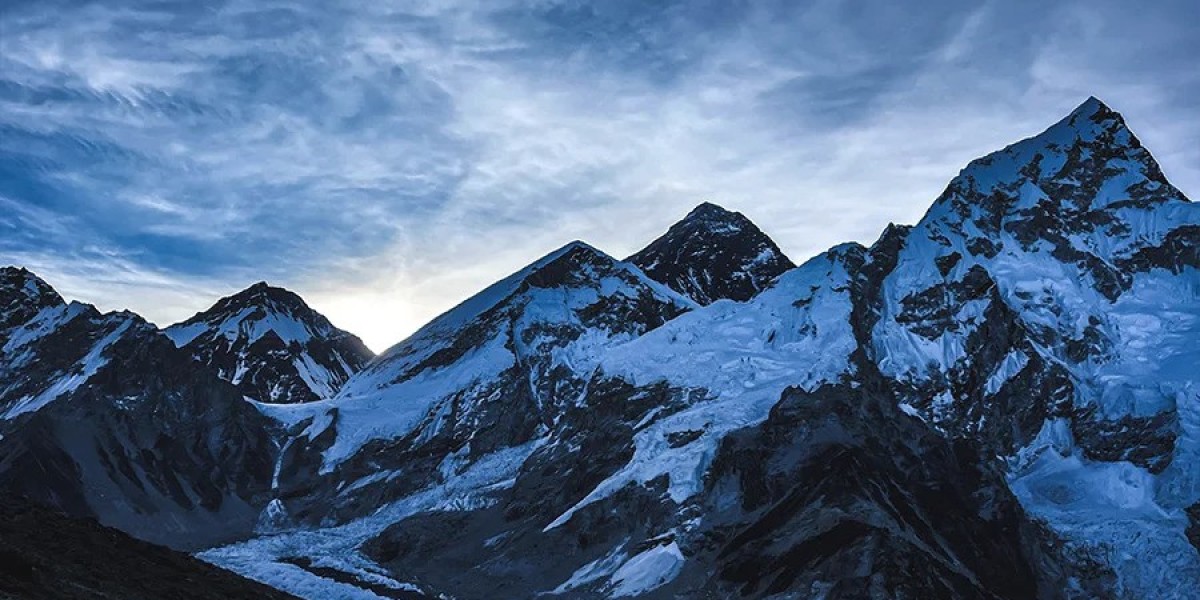

The Everest Base Camp trek is one of the most popular trekking adventures in Nepal. Every year, thousands of people travel from around the world to see Mount Everest and enjoy the beautiful Himalayan landscape. The trek is not only about reaching Everest Base Camp but also about experiencing the local Sherpa culture, visiting peaceful monasteries, crossing suspension bridges, and enjoying unforgettable mountain views. If you are planning this adventure, choosing the right EBC trek itinerary is one of the most important steps.
Most trekkers complete the journey in 12 to 14 days. This gives enough time to enjoy the trail and allows the body to adjust to the high altitude. The adventure usually begins with a scenic flight from Kathmandu to Lukla. From Lukla, the trail passes through beautiful villages such as Phakding, Namche Bazaar, Tengboche, Dingboche, Lobuche, and Gorakshep before reaching Everest Base Camp. Each village has its own charm, friendly people, and comfortable teahouses where trekkers can rest after a long day of walking.
One of the biggest highlights of the trek is Namche Bazaar. It is a lively mountain town where trekkers spend an extra day to acclimatize. Walking slowly and taking rest days are very important because they help reduce the risk of altitude sickness. Many trekkers also visit Kala Patthar after reaching Everest Base Camp. It is one of the best viewpoints in the region and offers an amazing sunrise view of Mount Everest.
The best time to visit EBC is during the spring season from March to May and the autumn season from September to November. During these months, the weather is usually clear, the temperature is comfortable, and the mountain views are spectacular. Spring brings colorful rhododendron flowers along the trail, while autumn offers fresh air and excellent visibility after the monsoon season. Winter is very cold but quieter, while the monsoon season brings heavy rain and cloudy skies, making trekking more difficult.
Preparing for the trek before arriving in Nepal is very helpful. Regular walking, hiking, jogging, or climbing stairs can improve your fitness and make the journey easier. Comfortable trekking boots should be worn before the trip to avoid blisters. Packing the right gear is also important. Warm clothing, a waterproof jacket, gloves, sunglasses, sunscreen, trekking poles, and a reusable water bottle are essential for a comfortable experience.
Food during the trek is simple but nutritious. Most teahouses serve Dal Bhat, noodles, fried rice, soup, eggs, pasta, tea, and coffee. Drinking enough water every day is very important because the high altitude can cause dehydration. It is also recommended to avoid alcohol while trekking because it can increase the risk of altitude sickness.
Hiring an experienced local guide makes the journey easier and safer. Guides know the trail well, help with navigation, share information about local culture, and provide support if weather conditions change. Many trekkers also hire porters to carry heavy backpacks, allowing them to enjoy the walk with less physical strain.
The Everest Base Camp trek is more than just a hiking trip. It is an unforgettable journey through some of the most beautiful mountains in the world. Every step offers new scenery, friendly faces, and memorable experiences. With proper planning, the right equipment, and a positive attitude, this adventure can be enjoyed by beginners as well as experienced trekkers. Whether you travel alone, with friends, or with family, the memories you create in the Everest region will stay with you for a lifetime.