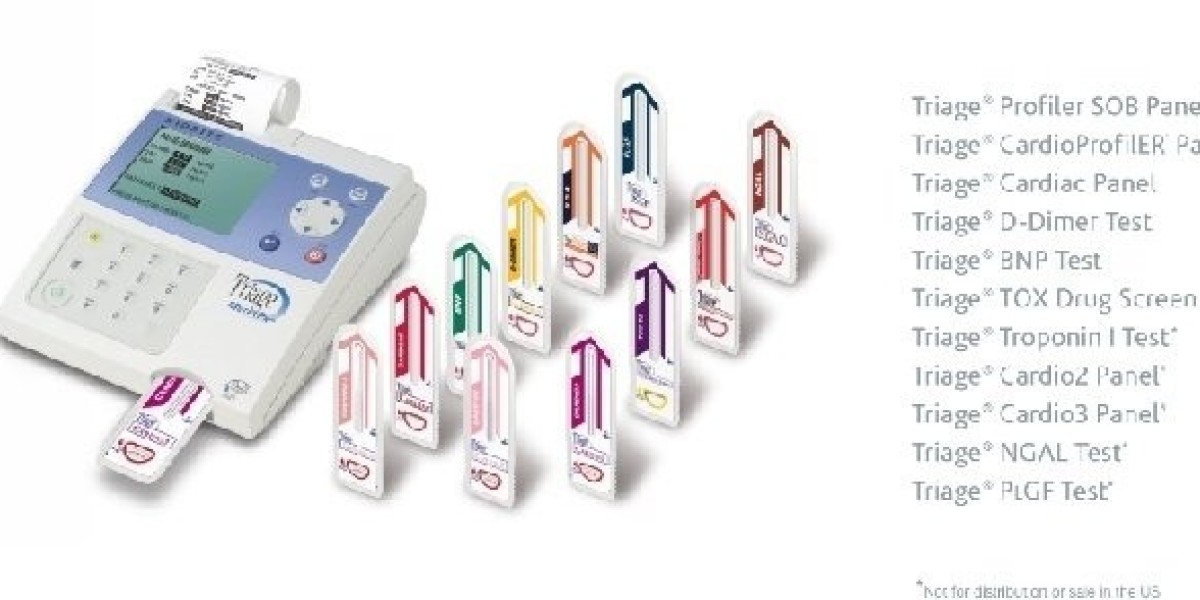

Cardiac Biomarkers Test Package – Complete Heart Health Screening for Early Detection
Introduction
A Cardiac Biomarkers Test Package is an important diagnostic solution designed to evaluate heart health by measuring specific proteins and enzymes released into the bloodstream when the heart experiences stress or damage. Early diagnosis plays a vital role in preventing serious cardiovascular complications, making cardiac biomarker testing an essential part of modern healthcare.
Whether someone experiences chest discomfort, shortness of breath, irregular heartbeat, or has risk factors like high blood pressure, diabetes, obesity, or a family history of heart disease, a comprehensive cardiac biomarkers package helps healthcare professionals make timely and informed decisions.
This advanced screening package combines multiple laboratory tests to provide a detailed picture of heart function, helping detect heart attacks, heart failure, inflammation, and other cardiovascular conditions at an early stage.
What Is a Cardiac Biomarkers Test Package?
A Cardiac Biomarkers Test Package is a collection of blood tests used to identify proteins and enzymes released by heart muscle cells when they become damaged or stressed.
Instead of relying on a single test, this package includes several biomarkers that improve diagnostic accuracy and help monitor heart health over time. These laboratory investigations assist physicians in identifying both emergency cardiac events and chronic cardiovascular diseases.
Why Is Cardiac Biomarker Testing Important?
Heart disease remains one of the leading health concerns worldwide. Detecting cardiovascular problems early significantly improves treatment outcomes.
A cardiac biomarkers package helps healthcare providers:
- Detect heart muscle injury
- Diagnose suspected heart attacks
- Evaluate chest pain
- Monitor heart failure
- Assess cardiovascular risk
- Track treatment effectiveness
- Support emergency medical decisions
- Identify hidden cardiac conditions
Early screening allows faster intervention and better patient care.
Common Tests Included in a Cardiac Biomarkers Package
Although testing panels may vary, a comprehensive package often includes several important biomarkers.
Troponin Test
Troponin is considered one of the most accurate indicators of heart muscle injury. Elevated levels may suggest damage caused by reduced blood flow to the heart.
CK-MB Test
Creatine Kinase-MB helps identify injury affecting heart muscle tissue. It is commonly used alongside troponin testing for improved diagnosis.
BNP or NT-proBNP
These biomarkers help evaluate heart failure by measuring proteins released when the heart experiences increased pressure or workload.
Myoglobin Test
Myoglobin rises rapidly after muscle injury and may assist in early assessment of suspected cardiac events.
High-Sensitivity CRP
This inflammatory marker helps evaluate cardiovascular risk and supports long-term heart disease prevention strategies.
Who Should Consider a Cardiac Biomarkers Test Package?
This diagnostic package is recommended for individuals with symptoms or risk factors associated with cardiovascular disease.
Testing may be suitable for:
- People experiencing chest pain
- Individuals with shortness of breath
- Patients with irregular heartbeat
- Those with high blood pressure
- Individuals living with diabetes
- People with high cholesterol
- Smokers
- Individuals with obesity
- Adults with a family history of heart disease
- Patients recovering from previous cardiac conditions
Preventive screening can also benefit adults who wish to monitor their heart health regularly.
Symptoms That May Require Cardiac Biomarker Testing
Certain warning signs should never be ignored.
A healthcare provider may recommend testing if someone experiences:
- Chest tightness
- Chest pressure
- Pain spreading to the arm or jaw
- Difficulty breathing
- Extreme fatigue
- Sudden dizziness
- Cold sweating
- Rapid heartbeat
- Fainting episodes
- Unexplained weakness
Prompt laboratory evaluation can help determine whether these symptoms are related to heart disease.
How the Test Is Performed
The procedure is simple, safe, and minimally invasive.
A trained laboratory professional collects a small blood sample from a vein. The sample is analyzed using advanced laboratory equipment capable of detecting even very small changes in cardiac biomarkers.
Results are interpreted alongside medical history, symptoms, physical examination, ECG findings, and other diagnostic investigations.
Benefits of a Cardiac Biomarkers Test Package
Choosing a complete cardiac biomarkers package offers several important advantages.
Early Diagnosis
Detects heart damage before severe complications develop.
Accurate Assessment
Multiple biomarkers improve diagnostic confidence.
Rapid Results
Supports timely clinical decision-making during emergencies.
Heart Disease Monitoring
Useful for evaluating treatment response and disease progression.
Preventive Healthcare
Identifies cardiovascular risks before symptoms become severe.
Personalized Medical Care
Helps healthcare professionals create targeted treatment plans.
Preparing for the Test
Preparation requirements may vary depending on the complete laboratory panel.
General recommendations include:
- Follow healthcare provider instructions.
- Inform the laboratory about current medications.
- Share your complete medical history.
- Stay hydrated before blood collection unless advised otherwise.
- Wear comfortable clothing for easy blood sample collection.
Some patients may require additional preparation if other blood tests are included.
Understanding the Test Results
Cardiac biomarker levels are evaluated based on established laboratory reference ranges.
Normal results generally indicate no significant heart muscle injury at the time of testing. Elevated biomarker levels may suggest heart damage, inflammation, or increased cardiac stress. However, laboratory findings should always be interpreted by qualified healthcare professionals because several medical conditions can influence biomarker levels.
Additional testing, imaging, or follow-up investigations may be recommended depending on the clinical situation.
When Should You Schedule Cardiac Biomarker Testing?
Timely testing is especially important if you:
- Experience sudden chest pain
- Notice unusual breathing difficulty
- Have persistent fatigue without explanation
- Have multiple cardiovascular risk factors
- Are undergoing treatment for heart disease
- Need routine cardiovascular monitoring
- Have recently experienced a suspected cardiac event
Routine screening can contribute to long-term heart health management.
How Cardiac Biomarkers Support Preventive Heart Care
Preventive healthcare focuses on identifying health concerns before they become life-threatening.
A cardiac biomarkers test package provides valuable information that allows healthcare providers to recommend lifestyle improvements, monitor disease progression, evaluate medication effectiveness, and reduce the likelihood of future cardiovascular complications.
Combined with healthy eating, regular exercise, blood pressure management, cholesterol control, and routine medical checkups, biomarker testing becomes an important part of comprehensive heart care.
Why Choose a Comprehensive Cardiac Biomarkers Test Package?
A complete testing package provides more diagnostic information than individual blood tests alone. Multiple biomarkers work together to improve accuracy, reduce uncertainty, and support better clinical decisions.
Whether performed as part of preventive healthcare or emergency evaluation, comprehensive cardiac biomarker testing helps identify heart-related problems quickly, allowing earlier intervention and improved long-term outcomes.
Conclusion
A Cardiac Biomarkers Test Package is an essential diagnostic tool for evaluating heart health, detecting cardiovascular conditions, and supporting early medical intervention. Regular heart screening is particularly valuable for individuals with risk factors, ongoing cardiac conditions, or symptoms that may indicate heart disease.
Early diagnosis, accurate laboratory analysis, and timely treatment can significantly improve heart health and overall quality of life. If you want a reliable assessment of your cardiovascular health, a comprehensive cardiac biomarkers package offers valuable insights that support informed healthcare decisions.