
Selecting a motorcycle helmet involves much more than recognizing a familiar brand or choosing an attractive design. Advances in manufacturing, safety testing, and rider comfort have created helmets that are better equipped for commuting, touring, and recreational riding than ever before. Understanding the features that contribute to protection and usability allows riders to make informed decisions regardless of the manufacturer.
The Foundation of Every Reliable Helmet
A motorcycle helmet is designed to absorb and manage impact energy during an accident. Its outer shell helps spread the force of an impact, while the inner EPS foam liner cushions the head by reducing the energy transferred to the rider.
Modern helmets also incorporate reinforced chin straps, durable face shields, and removable comfort liners, all of which contribute to long-term performance and convenience.
Modular Helmets Offer Everyday Flexibility
Not every rider needs the same helmet style. While full-face helmets remain a popular choice for maximum coverage, modular helmets have gained attention because they combine protection with added convenience.
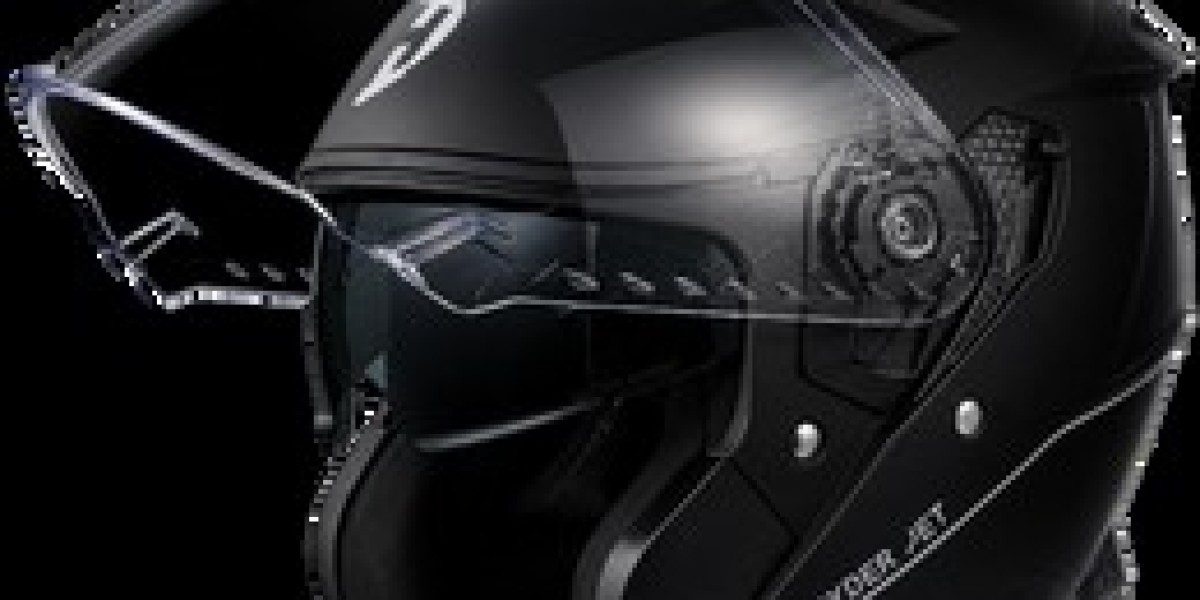
A Daytona modular helmet is one example of this category, allowing riders to lift the chin bar when stopped or taking a short break. This flexibility makes modular designs especially appealing for touring riders and those who spend long hours on the road.
Ventilation Can Improve Riding Comfort
Airflow plays a major role in rider comfort, particularly during warmer months. Helmet manufacturers now develop advanced ventilation systems using intake vents, exhaust channels, and internal airflow pathways to reduce heat buildup.
Proper ventilation helps minimize visor fogging while maintaining a more comfortable interior temperature, making long rides less tiring.
Lightweight Materials Continue to Evolve
Helmet technology has progressed from basic plastics to sophisticated composite materials. Polycarbonate, fiberglass composites, and carbon fiber allow manufacturers to reduce helmet weight without sacrificing durability.
Many riders researching a Daytona motorcycle helmet compare shell materials alongside features such as aerodynamics, visor systems, and interior comfort to determine which model best suits their riding habits.
Helmet Fit Has a Greater Impact Than Style
Even the most advanced helmet cannot provide effective protection if it does not fit correctly. A properly fitted helmet should remain secure without creating painful pressure points or excessive movement.
Riders often spend time comparing different Daytona helmets and other brands because interior shapes vary between manufacturers. Finding the right fit improves both comfort and overall safety.
Visual Design Remains an Important Consideration
Although safety comes first, helmet styling continues to influence purchasing decisions. Matte finishes, metallic colors, vintage graphics, and aggressive modern designs appeal to different segments of the motorcycle community.
Many enthusiasts specifically search for badass bike helmets that complement cruisers, sport bikes, or custom motorcycles while still meeting recognized safety requirements.
Modern Riders Appreciate Bold Helmet Designs
Motorcycle culture has long embraced individuality, and helmet manufacturers continue responding with creative graphics and distinctive shell designs.
Some riders prefer understated finishes, while others are drawn toward badass helmets featuring unique artwork, bold color combinations, or retro-inspired styling. These visual choices allow riders to express their personality without compromising functionality.
Safety Certifications Should Always Be Verified
Regardless of appearance or price, riders should always confirm that a helmet meets recognized safety standards applicable to their region. Certification testing evaluates impact absorption, retention systems, penetration resistance, and other critical performance factors.
Checking these certifications provides greater confidence that a helmet has undergone rigorous evaluation before reaching consumers.
Making an Informed Helmet Choice
When purchasing a helmet, riders should consider several factors together rather than focusing on a single feature. Weight, ventilation, visor quality, interior materials, noise reduction, and overall fit all contribute to the riding experience.
Someone searching for a badass motorcycle helmet may find numerous visually striking options, but the best choice is one that also delivers dependable protection, long-term comfort, and a secure fit.
Conclusion
Motorcycle helmets continue to improve through advances in engineering, materials, and rider-focused design. While appearance often captures attention first, factors such as fit, ventilation, construction quality, and certified protection have the greatest influence on overall performance.
By evaluating these characteristics carefully, riders can choose helmets that not only match their personal style but also provide the confidence and protection needed for every journey.