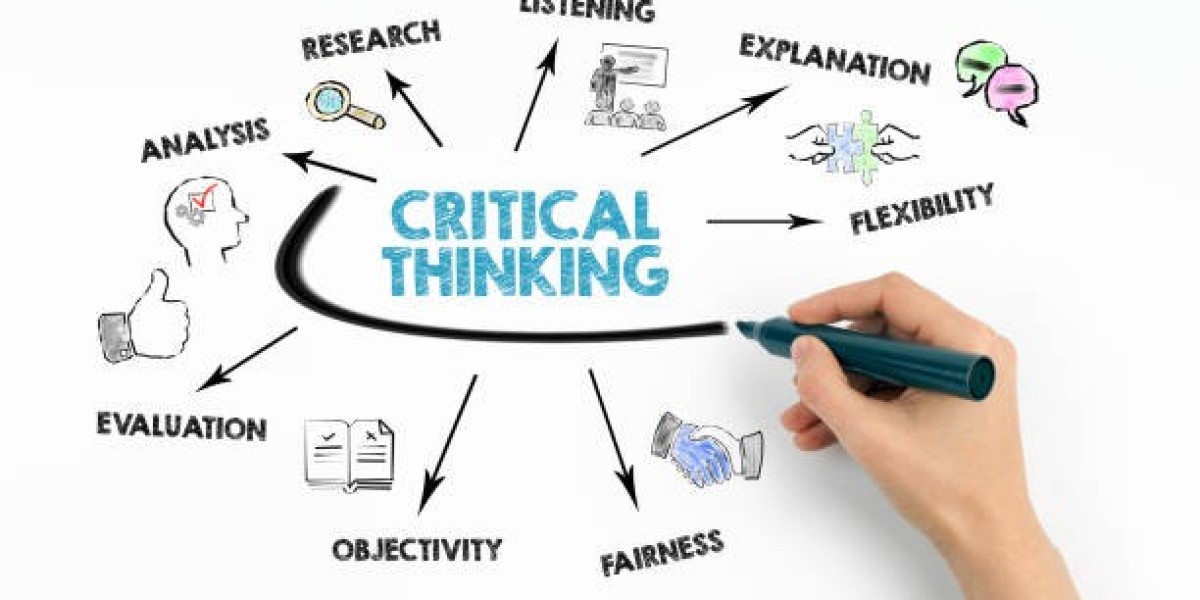

Understanding the Connection Between Assignment Writing and Critical Thinking
Assignment writing is often viewed as a way for students to demonstrate knowledge, but its value extends far beyond completing academic requirements. A well designed assignment encourages learners to explore ideas, evaluate information, form arguments, and communicate conclusions clearly. These processes are closely connected to critical thinking, a skill that helps individuals make informed decisions, solve problems, and understand complex issues.
Critical thinking involves the ability to examine information objectively, question assumptions, analyze evidence, and develop logical conclusions. According to educational research, learning activities that require analysis and evaluation are more effective in developing higher order thinking skills than activities based only on memorization. Effective assignment writing creates opportunities for students to move beyond simply recalling facts and begin engaging with concepts at a deeper level.
Whether students are writing essays, research papers, case studies, or reports, assignments provide a structured environment where they can practice independent thinking. They learn how to identify reliable sources, compare different viewpoints, and create meaningful connections between theories and real world situations.
How Assignments Encourage Deeper Learning
The process of writing an assignment requires students to engage with a topic from multiple perspectives. Before writing, they must understand the subject, gather relevant information, and decide which evidence supports their argument. This preparation stage develops curiosity and encourages learners to investigate questions rather than accept information without examination.
Research published by educational organizations such as the Association of American Colleges and Universities highlights the importance of analytical reasoning and evidence based thinking as essential learning outcomes in higher education. Assignments that require evaluation and interpretation support these goals by helping students develop intellectual independence.
When students write effectively, they also learn to recognize weaknesses in their own reasoning. Reviewing sources, organizing ideas, and revising drafts allow them to reflect on their thought processes. This reflection strengthens their ability to approach future challenges with greater confidence and awareness.
The Role of Research and Analysis in Developing Critical Thinking
Research is one of the most important parts of effective assignment writing. A strong assignment is not created by collecting information randomly; it requires students to identify credible sources, assess the quality of evidence, and determine how different pieces of information relate to one another.
During the research process, students develop skills that are valuable both academically and professionally. They learn to distinguish between reliable and unreliable information, understand different interpretations of a topic, and build arguments based on evidence rather than personal assumptions.
Building Logical Arguments Through Writing
A successful assignment requires more than presenting facts. Students must organize information logically and explain why their ideas are relevant. This process improves their ability to create structured arguments and communicate complex thoughts in a clear way.
Writing also encourages students to consider alternative perspectives. When completing an assignment, they often need to address opposing viewpoints and explain why their position is supported by evidence. This practice develops balanced reasoning and reduces the tendency to accept a single viewpoint without evaluation.
Academic writing experts often emphasize that revision plays a major role in improving critical thinking. By reviewing their work, students identify unclear arguments, unsupported claims, and gaps in their reasoning. The ability to refine ideas through feedback and reflection is a key part of lifelong learning.
Students seeking additional academic guidance can explore resources related to assignment writing support through assignment help birmingham.
Effective Assignment Writing Techniques That Strengthen Thinking Skills
Not every assignment automatically develops critical thinking. The design of the task and the approach taken by the writer determine how much learning takes place. Assignments that encourage exploration, analysis, and evaluation are more likely to improve reasoning abilities.
Creating Clear Research Questions
A strong assignment usually begins with a focused question. Instead of simply asking students to describe a topic, effective assignments encourage them to investigate causes, compare viewpoints, or evaluate outcomes. A well defined question provides direction and encourages deeper analysis.
For example, an assignment asking why a particular social issue exists requires students to examine multiple factors, consider evidence, and develop an informed explanation. This approach helps learners understand that many real world problems involve complex relationships rather than simple answers.
Developing Independent Thought
Assignment writing allows students to develop their own perspectives while remaining connected to academic evidence. Independent thinking does not mean ignoring existing research; it means using information thoughtfully to create meaningful conclusions.
Through repeated writing practice, students become better at questioning ideas, identifying patterns, and explaining their reasoning. These abilities are useful in academic environments, workplaces, and everyday decision making.
Why Critical Thinking Skills Matter Beyond Education
The benefits of effective assignment writing extend beyond classrooms and universities. In modern workplaces, employers increasingly value individuals who can analyze information, solve problems, and communicate ideas effectively. Critical thinking helps professionals evaluate situations carefully and make decisions based on evidence.
For example, a business professional may need to analyze market information before making a strategic decision. A healthcare worker may need to evaluate research findings before recommending a treatment approach. A researcher may need to assess competing theories before developing new knowledge. In each case, the same skills developed through academic assignment writing are applied in practical settings.
Preparing Students for Lifelong Learning
Education is not only about gaining knowledge for exams; it is about developing the ability to continue learning throughout life. Effective assignment writing supports this goal by teaching students how to investigate questions, adapt to new information, and communicate their understanding.
As technology continues to increase access to information, critical thinking has become even more important. People must decide which sources are trustworthy and how information should influence their decisions. Students who develop these abilities through assignments are better prepared to navigate an increasingly complex world.
The Future of Assignment Writing as a Learning Tool
Assignment writing continues to evolve as educational methods change. Digital resources, collaborative learning, and new assessment approaches are creating opportunities for students to engage with topics in innovative ways. However, the fundamental purpose remains the same: encouraging thoughtful analysis and meaningful understanding.
Educators play an important role in designing assignments that challenge students while providing opportunities for creativity and exploration. When assignments focus on reasoning rather than simple information recall, they become powerful tools for intellectual development.
Using Assignments to Build Stronger Thinkers
Effective assignment writing is not simply about producing a finished document. It is a learning process that develops research abilities, analytical skills, communication techniques, and independent judgment. By encouraging students to question, evaluate, and reflect, assignments help create stronger thinkers who can approach challenges with confidence.
When supported by clear guidance and purposeful learning objectives, assignment writing becomes one of the most effective methods for developing critical thinking skills. It prepares students not only for academic achievement but also for the decisions and challenges they will face throughout their personal and professional lives.