
Efficient ventilation is one of the most important factors in maintaining a productive and healthy farming operation. Whether you manage a livestock barn, poultry house, dairy farm, greenhouse, or crop storage facility, proper air circulation helps regulate temperature, control humidity, reduce harmful gases, and improve overall animal and plant health. Agricultural fans play a vital role in creating optimal environmental conditions while supporting energy efficiency and farm productivity. This guide explains the key factors to consider when choosing the best agricultural fans for your farm.
Understand Your Farm's Ventilation Needs
Every agricultural operation has unique ventilation requirements. Before selecting a fan, evaluate factors such as:
- Type of livestock or crops
- Building size
- Ceiling height
- Local climate
- Humidity levels
- Air quality concerns
- Heat generated by equipment or animals
- Seasonal ventilation requirements
Understanding these conditions helps determine the most suitable fan type, size, and airflow capacity for your farm.
Choose the Right Type of Agricultural Fan
Different farming applications require different ventilation solutions.
HVLS (High-Volume, Low-Speed) Fans
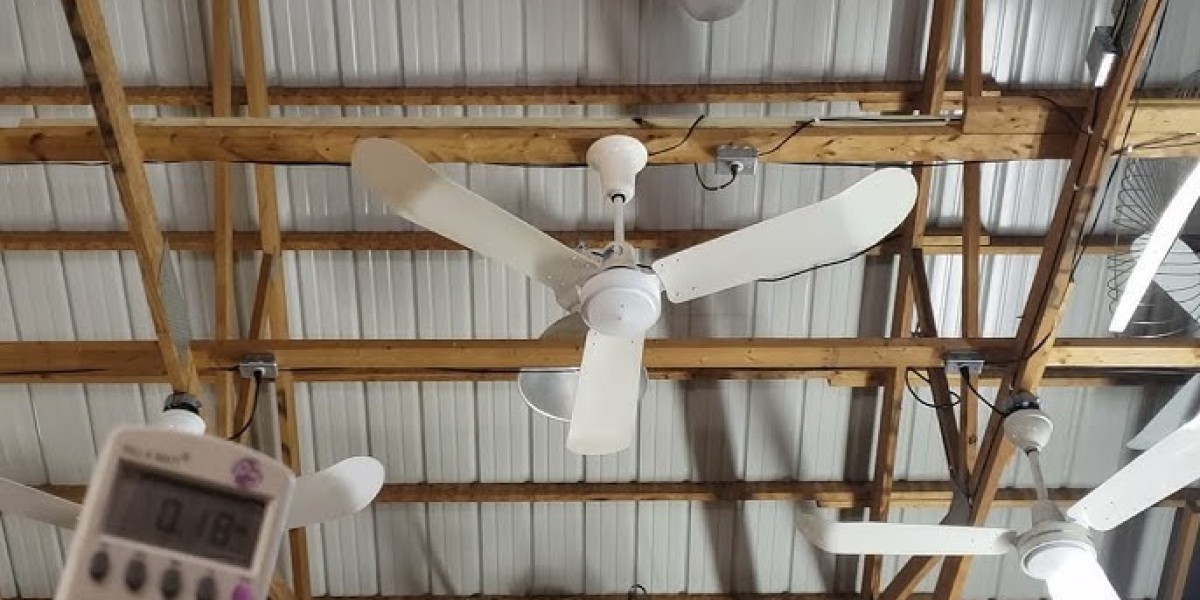
HVLS fans are ideal for large barns, dairy facilities, riding arenas, and storage buildings. They move large volumes of air at low speeds, providing consistent airflow while reducing energy consumption.
Exhaust Fans
Exhaust fans remove hot, humid, and contaminated air from barns, poultry houses, and livestock facilities. They improve indoor air quality by eliminating moisture, odors, dust, and harmful gases.
Circulation Fans
Circulation fans distribute fresh air evenly throughout the building, reducing temperature variations and preventing stagnant air.
Greenhouse Fans
Greenhouse fans regulate temperature and humidity, supporting healthy plant growth while reducing the risk of mold, mildew, and disease.
Portable Agricultural Fans
Portable fans offer flexible cooling for temporary work areas, equipment maintenance, or seasonal farming operations.
Evaluate Airflow Capacity
Airflow is measured in Cubic Feet per Minute (CFM), indicating how much air the fan can move.
The required CFM depends on factors such as building size, animal density, and climate conditions. Selecting a fan with sufficient airflow ensures effective ventilation without wasting energy.
Focus on Energy Efficiency
Agricultural fans often operate for extended periods, making energy efficiency an important consideration.
Look for features such as:
- High-efficiency motors
- Direct-drive technology
- Variable speed controls
- Low power consumption
- Energy-efficient blade designs
Energy-efficient fans reduce operating costs while maintaining reliable airflow.
Select Durable Construction
Farm environments can be harsh due to dust, moisture, ammonia, chemicals, and temperature fluctuations.
Choose fans built with:
- Corrosion-resistant materials
- Galvanized steel or aluminum components
- Weather-resistant finishes
- Heavy-duty bearings
- Durable motors
High-quality construction helps extend equipment life and reduce maintenance costs.
Consider Noise Levels
Excessive noise can stress livestock and create uncomfortable working conditions.
Modern agricultural fans are designed to provide strong airflow while operating quietly, helping maintain a calm environment for animals and farm workers.
Improve Livestock Comfort
Proper ventilation directly supports animal health and productivity.
Agricultural fans help:
- Reduce heat stress
- Improve breathing conditions
- Lower humidity
- Remove airborne contaminants
- Create a more comfortable environment
Comfortable livestock often experience improved feed intake, higher productivity, and better overall health.
Support Greenhouse Climate Control
For greenhouse operations, consistent airflow is essential for maintaining stable growing conditions.
Agricultural fans help:
- Regulate temperature
- Reduce excess humidity
- Improve carbon dioxide distribution
- Prevent condensation
- Promote healthy plant growth
Proper ventilation reduces the risk of fungal diseases and improves crop quality.
Look for Variable Speed Controls
Variable speed controls allow farmers to adjust airflow according to changing weather conditions, seasonal needs, or livestock requirements.
Flexible airflow management improves comfort while reducing unnecessary electricity consumption.
Prioritize Safety Features
Agricultural fans should include features that promote safe and reliable operation, including:
- Protective guards
- Secure mounting systems
- Thermal overload protection
- Weather-resistant electrical components
- Balanced blades
- Compliance with relevant safety standards
These features help ensure long-term reliability in demanding farm environments.
Consider Installation and Maintenance
Proper installation maximizes fan performance and extends equipment life.
Choose suppliers that offer:
- Professional installation support
- Maintenance guidance
- Spare parts availability
- Technical assistance
- Warranty coverage
Low-maintenance fans reduce downtime and improve operational efficiency.
Think About Long-Term Value
When comparing agricultural fans, consider more than just the purchase price. Evaluate the total cost of ownership, including:
- Energy consumption
- Maintenance requirements
- Equipment lifespan
- Warranty protection
- Productivity improvements
- Replacement costs
A high-quality fan often delivers better long-term value through improved efficiency and reliability.
Work with a Trusted Agricultural Fan Supplier
An experienced supplier can assess your farm's ventilation needs and recommend the most effective solution for your specific application.
A reputable supplier provides:
- Expert advice
- High-quality products
- Professional installation
- Technical support
- Reliable after-sales service
Partnering with the right supplier helps ensure your investment delivers lasting performance and maximum return.
Conclusion
Choosing the agricultural fans for your farm requires careful consideration of ventilation needs, airflow capacity, energy efficiency, durability, and long-term operating costs. Whether you manage livestock facilities, poultry houses, greenhouses, or crop storage buildings, the right fan system can improve air quality, reduce heat stress, enhance productivity, and lower energy expenses. By investing in high-quality agricultural fans and working with a trusted supplier, you can create healthier conditions for animals and plants while improving the overall efficiency and sustainability of your farming operation.