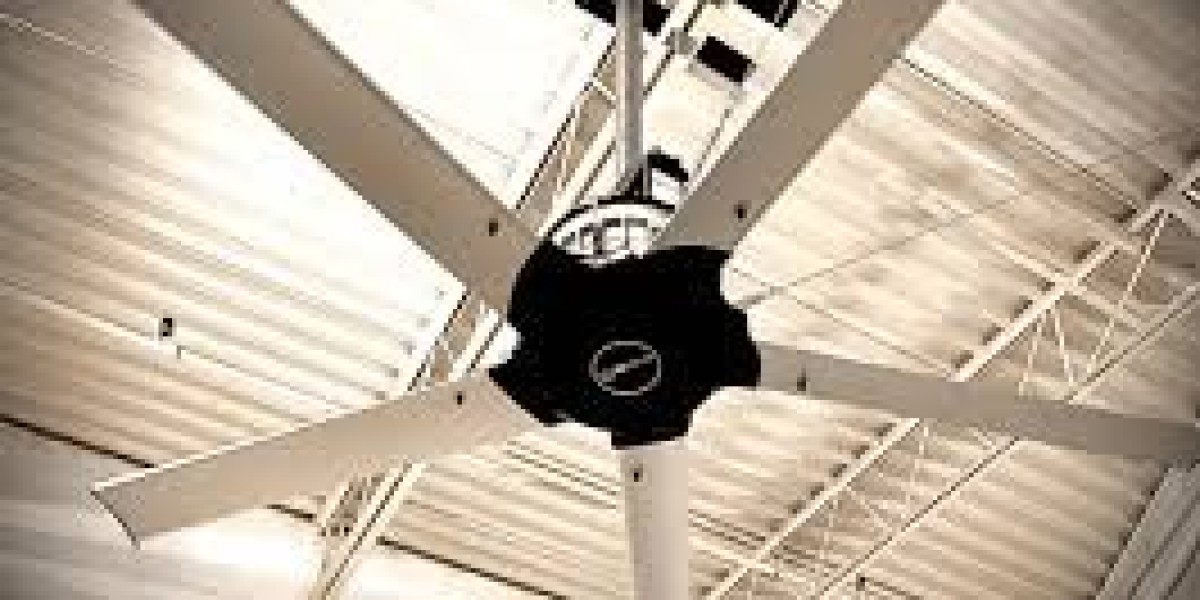

High-Volume, Low-Speed (HVLS) fans are an excellent investment for warehouses, manufacturing plants, distribution centers, gyms, agricultural facilities, and other large commercial spaces. Designed to move massive volumes of air at low rotational speeds, these fans improve comfort, reduce energy costs, and support healthier indoor environments. However, not all HVLS fans offer the same level of performance. Choosing the right model requires evaluating several key features that influence efficiency, durability, and long-term value. Here are the top features to consider when buying the best HVLS fans.
Fan Size and Air Coverage
One of the most important factors is the fan's diameter. HVLS fans typically range from 8 to 24 feet in diameter, with larger models covering wider areas using fewer units. Choosing the correct size depends on your facility's dimensions, ceiling height, and airflow requirements. A properly sized fan ensures consistent air circulation and maximizes energy savings.
Energy-Efficient Motor Technology
The motor is the heart of an HVLS fan. Modern models often feature direct-drive or permanent magnet motors that deliver high performance while consuming less electricity. Energy-efficient motors also operate more quietly, require less maintenance, and have a longer service life compared to traditional gear-driven systems.
Airflow Performance
Look for fans that provide high airflow measured in Cubic Feet per Minute (CFM). Higher airflow allows the fan to circulate air more effectively across large spaces, reducing hot spots and improving comfort. Reliable manufacturers provide detailed airflow performance data to help you compare models.
Durable Blade Design
The quality of the blades significantly affects airflow efficiency and fan longevity. Aluminum or aircraft-grade alloy blades offer excellent strength, corrosion resistance, and durability. Aerodynamically designed blades move more air while reducing noise and energy consumption.
Variable Speed Controls
Variable speed functionality allows users to adjust airflow according to seasonal changes, occupancy levels, or specific operational needs. This flexibility helps improve comfort while reducing unnecessary energy usage, making the fan more versatile throughout the year.
Quiet Operation
Noise levels are especially important in workplaces where employee communication, concentration, or customer experience matters. High-quality HVLS fans are engineered to operate quietly while maintaining powerful airflow, making them suitable for warehouses, offices, retail stores, fitness centers, and educational facilities.
Smart Control Options
Many advanced HVLS fans include intelligent control systems that improve convenience and efficiency. Features may include:
- Digital control panels
- Remote operation
- Temperature-based automation
- Programmable schedules
- Building Management System (BMS) integration
- Smartphone or cloud-based monitoring
These technologies help optimize airflow while minimizing energy consumption.
Safety Features
Safety should always be a priority, especially in industrial environments. Look for HVLS fans equipped with:
- Secure mounting systems
- Safety cables
- Automatic shutdown protection
- Overload protection
- Balanced blade assemblies
- Compliance with recognized safety standards
These features reduce operational risks and enhance workplace safety.
Low Maintenance Requirements
The best HVLS fans are designed for minimal maintenance. Direct-drive motors eliminate many moving parts found in gear-driven systems, reducing wear and maintenance costs. Durable construction and high-quality components also contribute to reliable long-term performance.
Corrosion-Resistant Construction
Facilities with high humidity, dust, or chemical exposure require fans built to withstand harsh environments. Corrosion-resistant coatings, stainless steel hardware, and durable finishes help protect the fan and extend its lifespan.
Professional Installation Support
Proper installation is essential for safe and efficient operation. Reputable suppliers provide installation guidance or certified installation services to ensure the fan is securely mounted, correctly positioned, and operating at peak performance.
Warranty and After-Sales Service
A comprehensive warranty reflects the manufacturer's confidence in product quality. Choose suppliers that offer strong warranty coverage, readily available replacement parts, technical support, and ongoing maintenance services for added peace of mind.
Compliance with Industry Standards
High-quality HVLS fans should comply with recognized safety and performance standards. Certified products provide assurance that the equipment has been tested for reliability, structural integrity, and safe operation in commercial and industrial settings.
Energy Savings and Return on Investment
Although premium HVLS fans may have a higher upfront cost, they often deliver greater long-term savings through reduced HVAC usage, lower electricity bills, decreased maintenance expenses, and improved employee productivity. Evaluating the total cost of ownership rather than just the purchase price helps ensure the best return on investment.
Conclusion
Investing in the best HVLS fans requires more than simply choosing the largest or least expensive option. Factors such as fan size, motor efficiency, airflow performance, blade design, smart controls, safety features, durability, and after-sales support all contribute to long-term performance and energy savings. By carefully evaluating these features and working with a trusted supplier, businesses can select an HVLS fan system that enhances workplace comfort, improves air circulation, and delivers reliable, cost-effective operation for years to come.