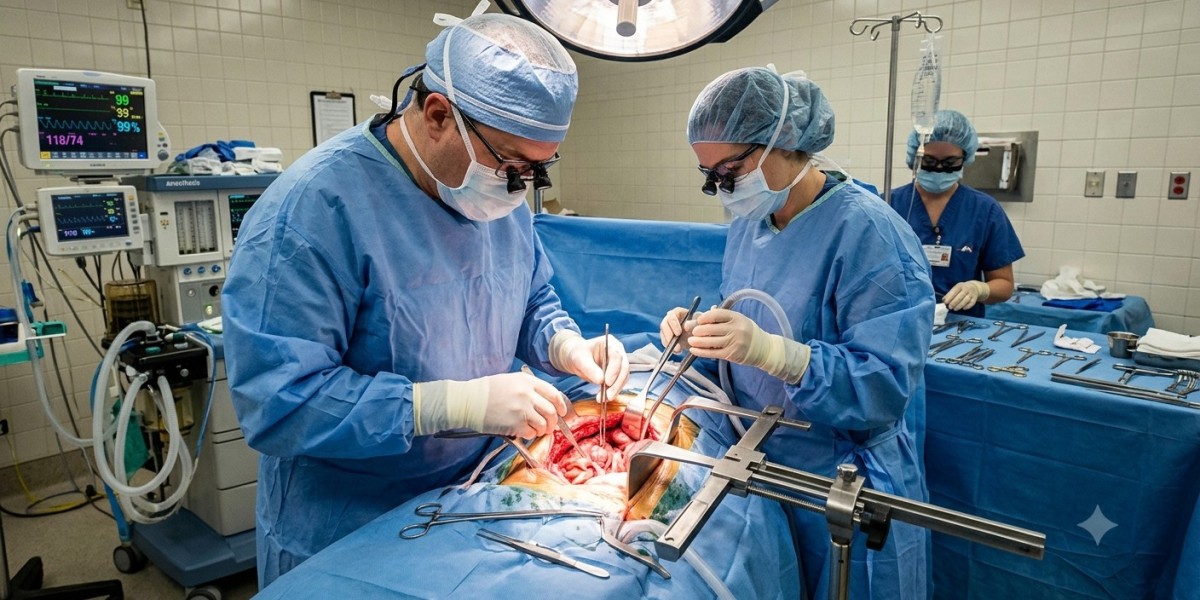

Surgical retractors are important instruments used in many types of medical procedures. They help surgeons hold back skin, muscles, and other tissues to create a clear view of the surgical area. Without proper exposure, it becomes difficult for surgeons to perform accurate and safe operations. These instruments improve visibility, reduce the need for extra hand movements, and support better surgical results.
Modern healthcare depends on reliable surgical instruments, and surgical retractors remain among the most commonly used tools in operating rooms. Whether the procedure is small or complex, these instruments help medical teams work with greater precision. They are available in different shapes and sizes to meet the needs of various specialties. The terms retractor tool and retractor surgery are closely connected because these instruments play a key role in many surgical procedures.
What Are Surgical Retractors?
Surgical retractors are medical instruments designed to separate tissues and hold them away from the surgical site. Their main purpose is to give surgeons a clear and stable view of the area being treated. By keeping muscles, skin, and organs in place, these instruments allow surgeons to perform procedures more safely and accurately.
Some retractors are held by hand during an operation, while others remain in position using a locking mechanism. The choice depends on the type of surgery and the amount of exposure required.
These instruments are commonly made from high-quality stainless steel because it is strong, durable, and resistant to corrosion. Stainless steel also allows repeated cleaning and sterilization, making the instruments suitable for regular hospital use.
Importance of Surgical Retractors
A clear surgical field is one of the most important parts of any operation. Surgical retractors help create this space by gently moving tissues away from the working area. Better visibility allows surgeons to identify important structures such as blood vessels, nerves, and organs more easily.
These instruments also improve safety by reducing accidental damage to nearby tissues. Since the surgical area remains open throughout the procedure, surgeons can work with greater confidence and precision.
Another advantage is improved efficiency. Medical teams spend less time adjusting tissues manually, allowing procedures to move forward more smoothly.
How Surgical Retractors Work
During an operation, the surgeon places the retractor carefully between tissues and gently pulls them apart. The amount of pressure depends on the type of tissue and the surgical procedure.
Hand-held retractors require an assistant to keep the instrument in position throughout the operation. This allows the surgeon to adjust the exposure whenever necessary.
Self-retaining retractors include locking systems that hold tissues apart without continuous support. These instruments free the assistant's hands and provide stable exposure during longer procedures.
The correct placement of every retractor tool is important because excessive pressure can damage delicate tissues. Skilled surgical teams use these instruments carefully to provide effective exposure while protecting surrounding structures.
Common Types of Surgical Retractors
There are many types of surgical retractors designed for different medical specialties. Small retractors are often used for minor procedures where only a limited amount of tissue needs to be moved. Larger retractors are used in operations that require greater exposure.
Hand-held retractors remain popular because they offer flexibility during surgery. The assistant can easily change the position whenever the surgeon requests a better view.
Self-retaining retractors are commonly used during longer procedures. Their locking systems maintain constant exposure without requiring continuous manual support.
Some retractors are designed for specific surgical fields such as orthopedic surgery, abdominal surgery, cardiovascular surgery, neurosurgery, plastic surgery, and gynecology. Each design supports the unique needs of that specialty.
Uses in Different Surgical Procedures
Surgical retractors are used in many areas of modern medicine. General surgeons rely on them during abdominal procedures to improve access to internal organs. Orthopedic surgeons use them to expose bones and joints during fracture repair and joint replacement surgeries.
In neurosurgery, retractors help create careful access to delicate structures while protecting nearby tissue. Plastic surgeons use smaller retractors to perform detailed procedures with better precision.
Gynecological procedures also require these instruments to improve visibility during pelvic surgeries. Cardiovascular surgeons depend on specialized retractors to provide access during operations involving the heart and surrounding structures.
Because of their versatility, these instruments remain essential in almost every operating room.
Benefits of Using Surgical Retractors
The greatest benefit of surgical retractors is improved visibility. A clear view allows surgeons to work more accurately and complete procedures safely.
These instruments also reduce tissue movement during surgery. Stable exposure helps maintain precision throughout the operation and reduces unnecessary interruptions.
Another advantage is better teamwork. Since tissues remain properly positioned, assistants and surgeons can focus on other important tasks during the procedure.
A properly selected retractor tool also supports shorter operating times because surgeons spend less effort creating and maintaining surgical exposure.
Choosing the Right Retractor Tool
Selecting the correct instrument depends on several factors. Surgeons consider the type of operation, the location of the surgical site, and the amount of tissue that needs to be retracted.
The size of the patient also influences instrument selection. Smaller procedures require delicate retractors, while larger operations often need stronger instruments capable of holding larger tissue sections.
Comfort is another important factor. Ergonomic designs help reduce hand fatigue for assistants during long procedures. Durable materials and smooth finishes also improve handling and simplify cleaning after surgery.
Choosing the proper instrument contributes to safer and more efficient retractor surgery in every medical specialty.
Cleaning and Maintenance
Like all surgical instruments, retractors require careful cleaning and sterilization after every use. Blood, tissue, and other materials must be completely removed before sterilization.
Hospitals follow strict cleaning procedures to prevent infection and maintain patient safety. Stainless steel retractors are commonly cleaned using approved medical detergents before being sterilized in an autoclave.
Regular inspection is also important. Medical staff check for signs of wear, damage, or loose parts before each procedure. Proper maintenance extends the life of the instrument and ensures reliable performance during surgery.
Advances in Surgical Retractors
Medical technology continues to improve the design of surgical instruments. Modern retractors are lighter, stronger, and more comfortable to use than many older models.
Some newer designs include improved locking systems that provide stable tissue retraction while allowing quick adjustments. Others feature ergonomic handles that reduce strain on the surgical team during long procedures.
Specialized retractors are also being developed for minimally invasive procedures, where smaller surgical openings require carefully designed instruments. These improvements continue to enhance patient care while making surgery more efficient.
Conclusion
Surgical retractors are essential instruments that help surgeons perform safe and accurate operations across many medical specialties. By providing a clear view of the surgical area, they improve precision, protect surrounding tissues, and support better patient outcomes.
Whether used as a hand-held instrument or a self-retaining retractor tool, these devices remain a critical part of modern retractor surgery. Their ability to improve visibility, reduce tissue movement, and increase surgical efficiency makes them valuable in hospitals and surgical centers around the world.
As surgical techniques continue to advance, surgical retractors will remain one of the most important instruments in the operating room. Their dependable performance, durable construction, and wide range of applications ensure they will continue supporting successful surgical procedures for years to come.
More info: AMG Medical