
The days and weeks following a major plastic surgery procedure are a time of profound physical transformation. You have completed the extensive preparation, selected a board-certified surgeon, and successfully made it through the operation itself. However, as modern healthcare trends lean heavily toward outpatient procedures, the responsibility for your immediate post-operative care shifts dramatically. Just hours after waking up from general anesthesia, you will be discharged to begin the healing process in your own living space.
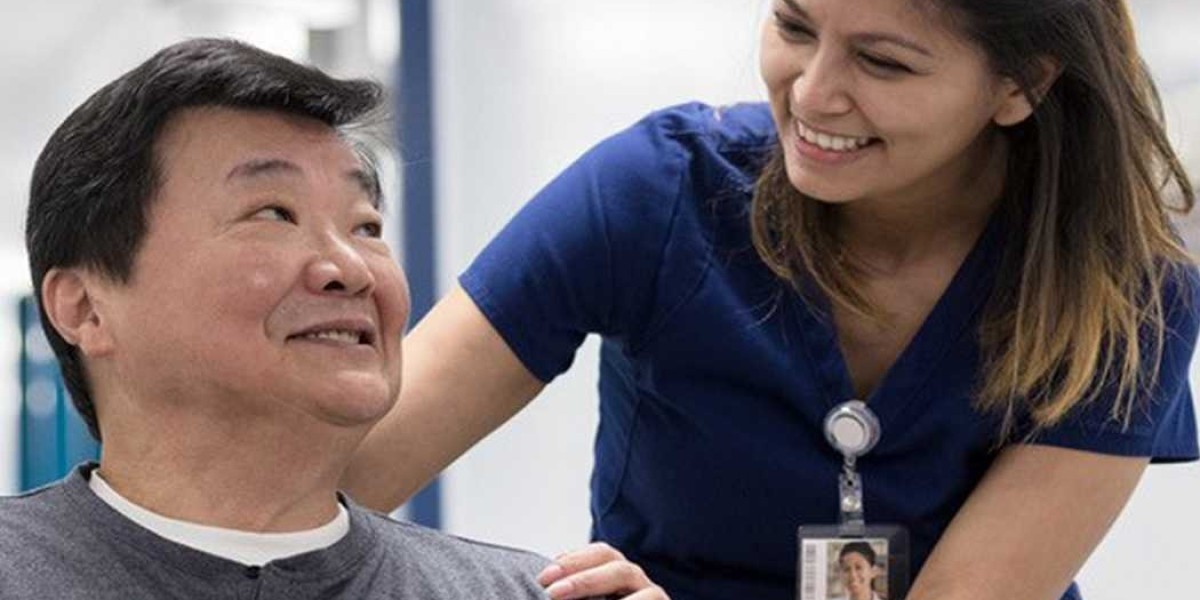
While recovering in your own bed sounds ideal, the reality of the early post-op period is medically complex, physically demanding, and often overwhelming for an untrained caregiver. To bridge this critical gap between the operating room and long-term healing, arranging an after surgery nurse at home has become an essential component of a successful recovery plan.
Having a registered nurse manage your home environment does far more than provide basic physical assistance; it provides a professional layer of clinical defense that protects your health, maximizes your comfort, and preserves your ultimate aesthetic investment. Let’s break down exactly why professional home nursing care is the gold standard for post-plastic surgery recovery.
The Critical First 72 Hours: Navigating the Acute Phase
The first three days following surgery represent the most volatile period of your recovery. As your body processes residual anesthetic medications, it simultaneously initiates a massive, localized inflammatory response to the controlled surgical trauma. This is the exact timeframe where the risk of early, acute complications is at its absolute highest.
Many patients assume that a dedicated friend or family member can manage this period. However, a loved one lacks the clinical diagnostic training required to identify subtle changes in your physical status. A professional after-surgery nurse brings advanced clinical assessment tools directly to your bedside, performing vital health checks that include:
Hemodynamic Monitoring: Tracking blood pressure and heart rate trends. Significant fluctuations are common due to fluid shifts, minor dehydration, or medication side effects, and catching these trends early is critical.
Tissue Perfusion Auditing: Checking the color, warmth, and capillary refill of the skin surrounding your incisions. In high-impact procedures like facelifts, breast reductions, or tummy tucks, guarding the local blood supply is vital to prevent skin necrosis or severe scarring.
Early Complication Identification: Detecting the early formation of deep fluid collections, such as hematomas (blood pools) or seromas (fluid pockets), allowing your surgeon to intervene before an emergency re-operation becomes necessary.
Masterful Pain Management and Medication Control
Managing a complex, rotating schedule of prescription medications while feeling fatigued, groggy, and uncomfortable is one of the most stressful aspects of self-recovery. It is incredibly easy for a patient or an anxious family member to lose track of time, leading to missed doses or accidental double-dosing.
An after-surgery nurse takes complete clinical control of your medication log. They ensure that your antibiotics, muscle relaxants, anti-nausea medications, and narcotic pain relievers are administered at precise intervals.
More importantly, an experienced nurse understands how to titrate medications to stay ahead of your pain curve. If you wait until your pain becomes severe before taking medication, it becomes exponentially more difficult to control. Keeping your pain managed at a stable, comfortable baseline prevents sudden spikes in blood pressure and heart rate, which are the leading causes of post-operative bleeding and hematoma formation under fresh incisions.
Sterile Management of Surgical Drains and Compression
Many advanced body contouring procedures, such as abdominoplasties (tummy tucks), mommy makeovers, or high-volume liposuction, require the placement of closed-suction surgical drains. These drains pull excess fluid away from the surgical pocket, allowing your skin and tissue layers to adhere smoothly. However, managing them can be incredibly intimidating for non-medical caregivers.
[Fluid Shifts Post-Op] ──> [Home Nurse Manages Drains] ──> [Safe, Uniform Fluid Reduction]A private duty nurse manages your drains using strict sterile techniques, entirely removing the risk of introducing environmental bacteria into the healing wound beds. They know how to "strip" or clear the plastic tubing to prevent small blood clots from blocking the fluid flow.
Furthermore, the nurse maintains an immaculate, mathematically accurate daily log of your drain output. This data sheet is invaluable information that your surgeon will rely on directly during your follow-up appointments to determine exactly when the drains can be safely removed.
Similarly, a home nurse ensures that your medical compression garments are placed flawlessly. If a garment is applied incorrectly, bunched up, or folding over, it can cause permanent creases or contour irregularities in your healing skin. A nurse continuously monitors and adjusts your garments to optimize fluid reabsorption while protecting skin integrity.
Preventing Life-Threatening Risks: DVT and Fall Mitigation
One of the most dangerous risks associated with major surgical procedures is Deep Vein Thrombosis (DVT)—the formation of blood clots in the deep veins of the legs due to prolonged immobility. If a clot breaks loose, it can travel to the lungs, resulting in a life-threatening Pulmonary Embolism (PE).
Prevention requires early, frequent, and controlled movement (ambulation). However, balancing the need to move with the intense fatigue and soreness of a fresh surgery can feel impossible without help.
Patients often experience orthostatic hypotension—a sudden, sharp drop in blood pressure when shifting from a lying to a standing position. This frequently leads to severe dizziness or fainting spells, especially during the first post-op shower or garment change.
An after-surgery nurse at home is trained in specific transfer techniques to support your weight, stabilize your body, and pace your movements. They guide you through gentle walks around your space and teach you localized bed exercises to keep your circulation moving actively, entirely removing the risk of accidental falls.
Eliminating Caregiver Anxiety and Preserving Family Dynamics
While loved ones are usually eager to help, the reality of post-operative care can be emotionally exhausting and overwhelming for a non-medical caregiver. Seeing a spouse, parent, or friend in pain, dealing with fresh blood or surgical incisions, and managing drains can induce significant anxiety.
Often, a protective dynamic forms where the patient tries to hide their discomfort or downplay their pain because they do not want to worry or burden their family member. This can lead to delayed care and unneeded physical distress.
Hiring a private duty nurse completely alters this dynamic. It allows your family members to step back into their natural role of providing purely emotional support, companionship, and love, while leaving the heavy lifting of clinical tracking, wound hygiene, and safety protocols to an experienced professional.
An Authoritative Liaison to Your Surgical Team
A private home nurse works in tandem with, not in place of, your plastic surgeon. They serve as a highly qualified liaison between your home environment and the surgical center.
If a minor issue arises during your recovery—such as an unexpected change in wound drainage color, a slow-healing incision edge, or a mild medication rash—your nurse can immediately assess the situation using precise medical terminology.
Instead of a panicked phone call from a family member trying to describe a wound over the phone, your nurse can document the metrics cleanly, take clear clinical photographs, and communicate directly with your surgeon’s clinical team. This streamlined communication ensures that any variance from normal healing is met with a fast, proactive medical adjustment, avoiding unnecessary trips back to the clinic or emergency room.
Elevating Your Home Recovery Experience
Plastic surgery is a major life milestone that represents a significant investment of your financial resources, your time, and your emotional energy. The final aesthetic outcome of that investment relies fundamentally on how meticulously your body is permitted to heal during its most vulnerable weeks.
For patients who want to ensure their home recovery matches the elite precision of their surgical procedure, partnering with a specialized service is the ultimate choice. Utilizing dedicated professionals, such as the registered nurses at The Plastic Surgery Nurse, provides a continuous bridge of expert, private duty care directly from the operating table to your home. Having a nurse take command of your clinical checks, drain monitoring, and mobility protocols allows you to bypass the stress, guesswork, and worry of recovery, turning your home into a true sanctuary for healing.
Summary: The Expert Advantage at Home
When mapping out your surgical budget and preparation checklist, it is highly beneficial to view professional home recovery care not as an optional post-op luxury, but as an essential phase of the procedure itself.
By prioritizing structured, expert nursing care for your post-plastic surgery journey, you eliminate unnecessary risks, protect your health, and give your body the exact environment it needs to step into its transformation safely, smoothly, and beautifully.