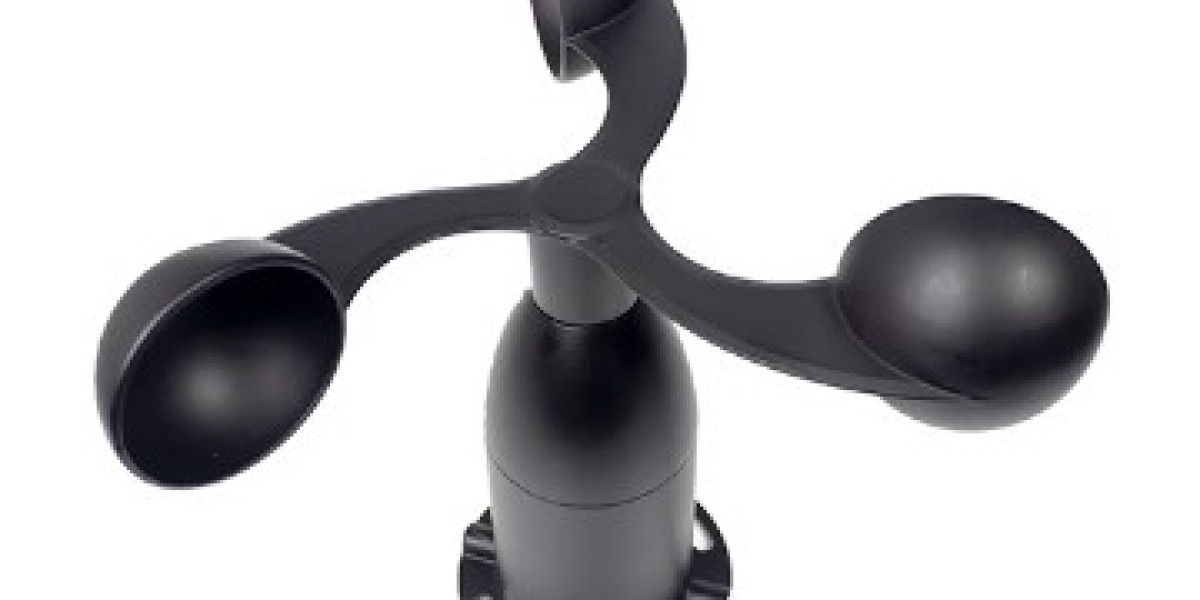

Airflow is something we rarely see—but it plays a critical role in industries ranging from HVAC and construction to environmental monitoring and energy systems. Whether you're optimizing ventilation or measuring outdoor wind conditions, an anemometer is one of the most essential tools available today.
An anemometer is a device designed to measure wind speed and airflow velocity, helping professionals turn invisible air movement into precise, usable data.
What Is an Anemometer?
An anemometer is an instrument used to measure the speed and sometimes the direction of air or gas flow. It is widely used in both open environments (like weather monitoring) and controlled systems such as air ducts or ventilation systems.
Modern anemometers can measure:
- Wind speed (m/s, km/h, or ft/min)
- Airflow volume
- Temperature (in some models)
- Air direction
These capabilities make them indispensable tools across technical and industrial fields.
Why Airflow Measurement Is So Important
Airflow measurement is not just about numbers—it directly impacts safety, efficiency, and system performance.
For example:
- In HVAC systems, proper airflow ensures energy efficiency and indoor comfort
- In industrial settings, it prevents overheating and maintains safe conditions
- In environmental monitoring, it helps analyze weather and pollution patterns
Without accurate airflow data, systems may suffer from poor ventilation, higher energy costs, and reduced performance.
Types of Anemometers
Different applications require different measurement technologies. The most common types include:
1. Vane Anemometers
- Use a rotating fan to measure airflow
- Ideal for HVAC and duct testing
- Durable and easy to use
2. Hot Wire Anemometers
- Measure airflow using thermal sensors
- Highly accurate at low air velocities
- Common in laboratories and cleanrooms
3. Cup Anemometers
- Typically used outdoors
- Common in weather stations
- Measure wind speed via rotating cups
Each type is designed for specific environments, and choosing the right one is crucial for accurate results.
Where Are Anemometers Used?
Anemometers are used across a wide range of industries:
? HVAC & Ventilation
Technicians use anemometers to measure airflow in ducts, vents, and air conditioning systems to ensure proper system balance.
? Environmental Monitoring
Weather stations rely on anemometers to track wind speed and atmospheric conditions.
? Industrial Applications
Factories use airflow meters to monitor ventilation and maintain safe working environments.
? Agriculture
Wind measurement helps optimize irrigation, pesticide application, and greenhouse ventilation.
⚡ Energy & Construction
Wind analysis is essential for wind energy projects and construction site safety.
How Anemometers Improve Efficiency
Using an anemometer allows professionals to:
- Detect airflow imbalances
- Reduce energy consumption
- Improve system performance
- Ensure compliance with safety standards
In HVAC systems, airflow testing is a key step in system optimization and balancing.
Choosing the Right Anemometer
When selecting an anemometer, consider:
- Measurement range (e.g., up to 30 m/s)
- Accuracy requirements
- Application type (indoor vs outdoor)
- Portability and ease of use
- Additional features (temperature, data logging)
Choosing the wrong type can lead to inaccurate readings and poor decision-making.
Conclusion
Anemometers are more than just wind speed meters—they are critical tools for ensuring efficiency, safety, and performance in modern industries. From HVAC systems to environmental science, accurate airflow measurement plays a key role in optimizing operations.
If you're looking to improve airflow monitoring, investing in a reliable anemometer is a smart and practical decision.