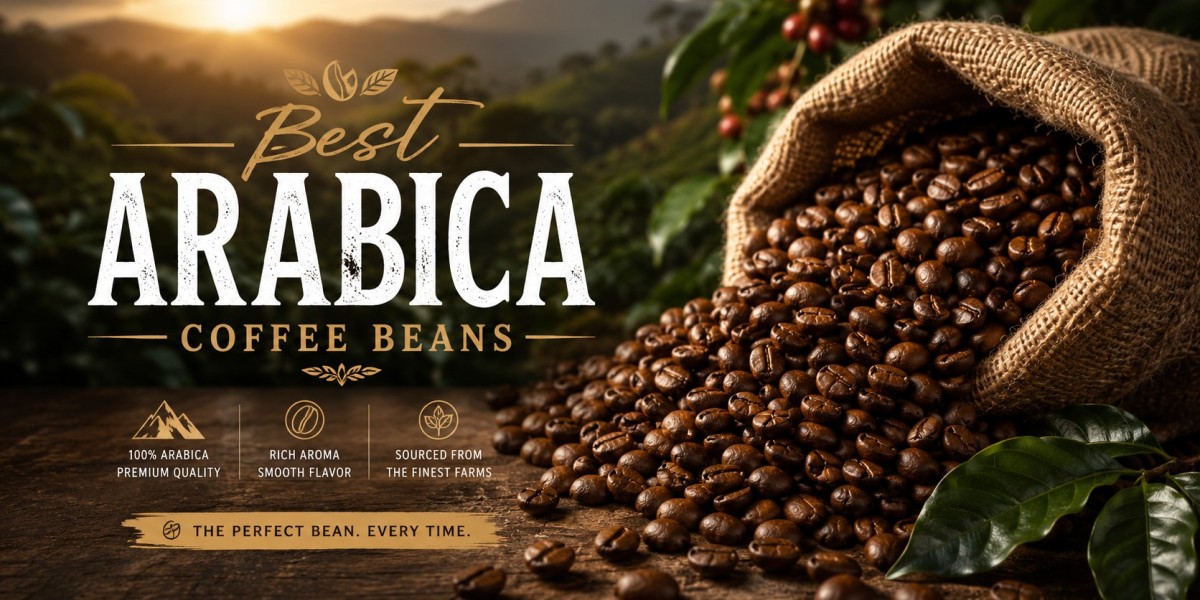

Coffee is part of daily life for millions of Americans, but not every cup delivers the same satisfaction. Many people accept bitter or flat-tasting coffee simply because they have never explored better beans. Arabica coffee offers a noticeable improvement in flavor, aroma, and overall quality, making it a preferred option for home brewers and café owners alike.
Finding the best arabica coffee beans does not require expert-level knowledge. Understanding a few essential details can help anyone enjoy fresher, smoother, and more flavorful coffee every morning.
The Growing Demand for Premium Coffee
Consumer expectations have changed significantly over the past decade. Coffee is no longer viewed as just a quick source of caffeine. People now seek better flavor, ethical sourcing, and higher-quality roasting.
Specialty coffee shops helped educate consumers about bean origin and brewing methods. As a result, more households are purchasing whole bean arabica coffee for home use. This trend has also encouraged online coffee brands to offer subscription services featuring freshly roasted arabica beans from around the world.
Why Arabica Beans Taste Better
Arabica beans naturally contain more sugars and oils than robusta beans. These compounds create smoother flavor and richer aroma. The cultivation environment also contributes to quality. Arabica coffee grows best at higher elevations where cooler climates slow bean maturation. Slower development enhances complexity and sweetness.
Flavor profiles vary widely depending on origin. Some arabica coffees taste fruity and bright, while others deliver cocoa, caramel, or nutty characteristics. The versatility of arabica coffee is one reason it dominates the specialty coffee industry.
Roast Freshness and Flavor Quality
Coffee freshness affects taste more than many consumers realize. Freshly roasted beans preserve aroma and flavor complexity better than coffee sitting on store shelves for months. Checking roast dates is one of the easiest ways to improve coffee quality. Many specialty roasters include roast dates prominently on packaging.
Grinding beans immediately before brewing also improves flavor retention. Stale coffee loses sweetness and often develops dull or bitter characteristics. Even the best arabica coffee beans cannot perform well if freshness is ignored.
Choosing Coffee Based on Brewing Method
Different brewing styles highlight different qualities in arabica coffee. Drip coffee makers are popular because they offer convenience and consistency. Medium roast arabica beans usually perform well in automatic brewers. Pour-over coffee creates cleaner flavor clarity and allows subtle tasting notes to stand out.
French press brewing enhances body and texture because oils remain in the final cup. Espresso preparation requires precise extraction and works especially well with medium-dark roasted arabica blends.
Cold brew coffee has become increasingly popular because it reduces acidity while emphasizing sweetness. Matching beans with brewing style can greatly improve the overall coffee experience.
Single-Origin vs Coffee Blends
Single-origin coffee comes from one region or farm, allowing consumers to experience specific regional characteristics. Coffee blends combine beans from multiple origins to create balance and consistency.
Single-origin Ethiopian arabica may highlight blueberry or floral notes, while a blend could combine chocolatey Brazilian beans with brighter Central American coffee.
Some people enjoy exploring unique flavors through single-origin coffee, while others prefer the reliability of carefully crafted blends. Both approaches can produce excellent results when quality beans are used.
Understanding Coffee Processing Methods
Coffee processing influences flavor before roasting even begins. Washed coffee processing removes fruit from the bean before drying. This method often creates cleaner and brighter flavors. Natural processing dries beans inside the fruit, producing sweeter and fruitier flavor profiles.
Honey processing falls between the two methods and can create balanced sweetness with moderate acidity. Learning about processing styles helps consumers better understand why certain coffees taste dramatically different from others.
Sustainable Coffee Matters to Consumers
Many coffee buyers now consider sustainability alongside flavor. Ethically sourced arabica coffee supports responsible farming and fair compensation for growers. Certifications and direct-trade relationships help improve transparency.
Sustainable farming practices also contribute to long-term coffee quality by protecting soil health and biodiversity. Consumers increasingly appreciate brands that prioritize environmental responsibility and social impact.
Common Signs of High-Quality Coffee Beans
Appearance can reveal useful clues about bean quality. Fresh arabica beans typically show consistent color and size. Oily beans are not always a sign of quality. Excessive surface oil may indicate overly dark roasting. Aroma also matters. Fresh coffee should smell fragrant and appealing immediately after opening the bag.
Transparent packaging information often reflects higher standards. Specialty coffee brands usually share origin details, roast dates, and tasting notes. Consumers searching for the best coffee guide should focus on freshness and sourcing instead of marketing claims alone.
Building Better Coffee Habits at Home
Improving coffee quality does not require expensive equipment. Using filtered water, proper coffee measurements, and consistent brewing temperatures can dramatically improve results. Cleaning brewing equipment regularly also matters because leftover coffee oils affect flavor.
Experimenting with grind size and brew time helps home brewers customize extraction according to taste preference. Developing these habits allows consumers to get the most from premium arabica coffee beans.
Conclusion
Choosing the best arabica coffee beans involves understanding freshness, origin, roasting, and brewing compatibility. These factors work together to shape flavor and aroma.
Arabica coffee remains popular because it delivers smooth taste, balanced sweetness, and remarkable variety. Whether someone enjoys espresso, pour-over coffee, or cold brew, quality arabica beans provide a noticeably better experience.
By paying attention to sourcing and brewing practices, coffee drinkers can transform their daily routine into something far more enjoyable and rewarding.






