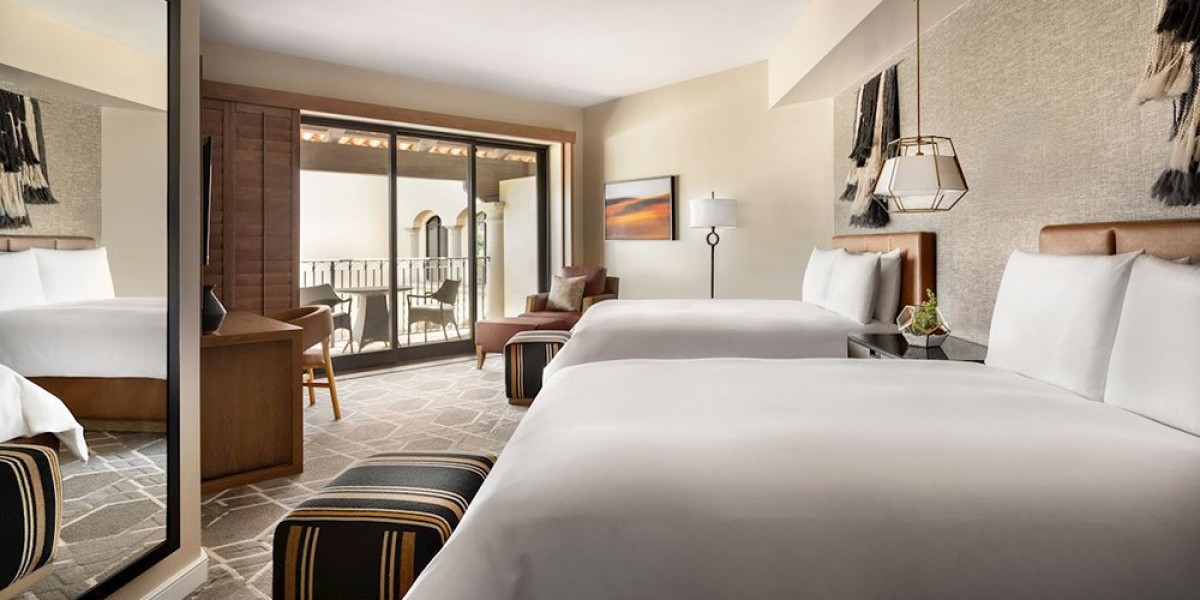

FF&E procurement for branded hotels is a core driver of consistency, cost control, and guest experience across global hospitality chains like Hilton, Marriott, and IHG. Every property within these brands must deliver a standardized experience, yet each hotel is built in a different market with unique supply chain challenges. In the United States alone, hotel development and renovation spending continues to exceed tens of billions annually, and FF&E sourcing is one of the most cost-sensitive parts of that investment. When procurement is poorly managed, even premium brands lose consistency across properties.
The challenge is not design ambition but execution discipline, especially when scaling across multiple regions. Each item, from furniture to fixtures, must align with strict brand standards while staying within budget and timeline constraints. This is where structured procurement systems become essential, especially for large-scale hotel groups managing multiple properties simultaneously. Without a clear system, sourcing becomes fragmented and inconsistent, which directly impacts guest experience.
Problem: Fragmented Sourcing Across Global Hotel Portfolios
A furniture vendor in the US may not have the same capacity or cost structure as one in Asia or Europe, creating inconsistency in delivery timelines and product quality. FF&E procurement for branded hotels becomes highly complex when multiple properties are developed under Hilton, Marriott, or IHG simultaneously. Each brand operates globally, but sourcing conditions vary significantly across regions. This fragmentation leads to misalignment between design intent and final installation.
In many US hospitality projects, FF&E typically accounts for 10%–15% of total development cost according to CBRE hospitality research. Even small sourcing inefficiencies can escalate into significant financial overruns. When procurement is not centralized, teams often rely on local vendors who may interpret specifications differently. This results in inconsistent product finishes and delayed approvals during execution phases.
This is where lack of structured coordination becomes visible in real projects. Without a unified sourcing strategy, procurement becomes reactive instead of planned. Each hotel ends up with slightly different versions of the same branded elements, weakening brand consistency across the portfolio.
Agitation: Cost Overruns and Brand Drift in Major Hotel Chains
The risks associated with poorly managed ff&e procurement for branded hotels are especially visible in large-scale hotel expansions. In several US hotel developments, inconsistent sourcing has led to delays ranging from 2 to 6 months, directly impacting opening schedules and revenue generation. For a mid-sized Marriott property, even a one-month delay can result in millions in lost operating revenue.
These challenges become more severe when supply chain disruptions occur. During recent global logistics instability, shipping delays increased by more than 30% in hospitality procurement categories, according to industry logistics reports. When sourcing is not aligned early, even small delays cascade into installation backlogs and rushed project completion. This creates operational stress during pre-opening phases.
Brand drift is another major issue. When vendors substitute materials or adjust specifications without strict approval, Hilton, Marriott, or IHG properties begin to lose visual and functional consistency. Over time, this weakens brand identity, especially for frequent travelers who expect identical standards across locations.
Solution: Structured Procurement Strategy for Global Hotel Brands
The solution to inefficiencies in ff&e procurement for branded hotels lies in building a structured sourcing playbook that standardizes procurement decisions across all properties. This includes centralized vendor databases, standardized specification systems, and early-stage coordination between design and procurement teams. When procurement is integrated early, sourcing decisions become more predictable and controlled.
A key component of this system is alignment with the hotel property improvement plan which defines renovation cycles, budget allocation, and brand upgrade requirements. When procurement teams understand this roadmap, they can plan sourcing activities years in advance instead of reacting during construction. This reduces emergency purchasing and improves cost efficiency.
In US-based hotel groups, structured procurement systems have been shown to reduce sourcing delays by up to 25% according to hospitality consulting reports. When teams follow a standardized playbook, they avoid duplication of effort and improve consistency across multiple properties. This creates a smoother workflow from design approval to installation completion.
Role of Centralized Procurement in Hilton, Marriott, and IHG
FF&E procurement for branded hotels within Hilton, Marriott, and IHG relies heavily on centralized procurement systems that enforce global standards while allowing regional flexibility. These systems ensure that every property follows approved supplier lists and standardized product specifications. This reduces variation across properties while maintaining operational efficiency.
In the United States, Marriott has historically implemented centralized sourcing frameworks that help maintain consistency across hundreds of properties. These systems allow procurement teams to negotiate bulk contracts, reducing per-unit cost and improving supplier accountability. Hilton and IHG follow similar models, ensuring that brand standards remain consistent even in different market conditions.
A structured hotel property improvement plan plays a critical role in aligning procurement timelines with renovation cycles. When procurement is synchronized with upgrade schedules, hotels avoid rushed sourcing and last-minute substitutions. This leads to better quality control and smoother installation phases.
Case Study: US Hotel Chain Procurement Optimization
A major US-based hotel group managing multiple Marriott and Hilton properties faced recurring procurement inefficiencies during expansion across Texas and Florida. Early projects suffered from inconsistent FF&E sourcing, delayed deliveries, and misalignment between design intent and installation results. These issues led to cost overruns and extended pre-opening timelines.
After implementing a centralized sourcing model for ff&e procurement for branded hotels, the company introduced standardized supplier agreements and improved coordination with design teams. They also integrated their procurement system with the hotel property improvement plan, allowing better forecasting of renovation needs. Within two project cycles, procurement delays dropped by nearly 28%.
This structured approach also improved brand consistency across properties. Guest room layouts, furniture finishes, and fixture quality became more uniform across locations. Installation teams reported fewer errors, and project managers gained better control over timelines and budgets.
Execution Stage: From Sourcing to Installation Control
The execution phase of ff&e procurement for branded hotels is where sourcing decisions are translated into physical installations. This stage requires precise coordination between vendors, logistics teams, and on-site contractors. Any breakdown in communication can lead to installation delays or product mismatches.
A well-defined hotel property improvement plan ensures that installation timelines are aligned with renovation schedules and operational readiness. When procurement data is accurate and accessible, installation teams can execute faster with fewer errors. This reduces rework and improves pre-opening efficiency.
In large US hotel projects, installation issues often account for a significant portion of pre-opening delays when procurement documentation is incomplete. Structured systems reduce these risks by ensuring that every item is tracked from sourcing to final placement.
Conclusion
FF&E procurement for branded hotels is no longer just a sourcing function; it is a strategic system that directly impacts brand consistency, cost efficiency, and guest experience across Hilton, Marriott, and IHG properties. Without a structured playbook, even the strongest hotel brands risk inconsistency and operational delays.
A well-integrated hotel property improvement plan ensures that procurement aligns with long-term renovation and expansion goals. This creates a predictable framework for sourcing decisions and reduces last-minute procurement challenges. As hotel portfolios continue to expand globally, structured procurement becomes essential for maintaining brand integrity.
Ultimately, success in ff&e procurement for branded hotels depends on discipline, standardization, and the ability to connect design intent with real-world execution across every property.