
Quality is one of the most important factors in the success of any construction project. Whether building a commercial office, residential development, healthcare facility, industrial plant, or public infrastructure, maintaining high construction standards is essential for ensuring safety, durability, functionality, and long-term value. Without an effective quality management system, projects are more likely to experience defects, delays, increased costs, and dissatisfied stakeholders.
Construction quality management provides a structured approach to planning, monitoring, and controlling every aspect of construction to ensure that work meets project specifications, industry standards, and client expectations. By focusing on quality throughout the project lifecycle, construction teams can reduce rework, improve building performance, and deliver successful outcomes. This guide explains how construction quality management contributes to efficient, high-quality building projects.
What Is Construction Quality Management?
Construction quality management is the process of establishing, implementing, monitoring, and improving quality standards throughout every phase of a construction project.
It involves developing procedures that ensure materials, workmanship, equipment, and completed structures meet defined project requirements.
Construction quality management typically includes:
- Quality planning
- Material inspections
- Workmanship evaluations
- Quality control inspections
- Compliance verification
- Documentation
- Corrective actions
- Continuous improvement
The objective is to deliver construction projects that satisfy contractual, regulatory, and performance requirements.
Why Construction Quality Management Is Important
Construction projects involve multiple contractors, suppliers, materials, and technical processes.
Quality management helps:
- Improve building durability
- Enhance occupant safety
- Reduce construction defects
- Increase client satisfaction
- Minimize costly rework
- Improve regulatory compliance
- Protect project investments
Maintaining consistent quality contributes to successful project completion and long-term building performance.
Improve Building Performance
Buildings constructed with consistent quality standards perform better throughout their service life.
Quality management helps ensure:
- Structural integrity
- Reliable mechanical systems
- Proper electrical installations
- Efficient plumbing systems
- Durable finishes
- Long-lasting building components
High-quality construction reduces maintenance requirements and improves overall building reliability.
Reduce Rework
Rework is one of the largest sources of unnecessary construction costs.
Common causes include:
- Poor workmanship
- Incorrect installations
- Design misunderstandings
- Material defects
- Inspection failures
Construction quality management identifies problems early, allowing corrections before they affect larger portions of the project.
Reducing rework saves both time and money.
Improve Material Quality
Construction quality begins with selecting appropriate materials.
Quality management includes:
- Supplier evaluation
- Material testing
- Delivery inspections
- Product certification verification
- Storage monitoring
Using approved, high-quality materials improves both safety and long-term performance.
Strengthen Quality Planning
Quality planning establishes expectations before construction begins.
Planning activities include:
- Defining quality objectives
- Preparing inspection procedures
- Establishing acceptance criteria
- Developing testing schedules
- Assigning quality responsibilities
Clear planning creates consistency throughout the construction process.
Support Regulatory Compliance
Construction projects must comply with numerous regulations and standards.
Quality management helps ensure compliance with:
- Building codes
- Engineering specifications
- Fire safety standards
- Environmental regulations
- Accessibility requirements
- Occupational safety standards
Meeting regulatory requirements helps prevent legal issues and project delays.
Improve Inspection Processes
Regular inspections help verify that construction activities meet project requirements.
Quality inspections typically cover:
- Foundations
- Structural components
- Concrete placement
- Steel installations
- Electrical systems
- Plumbing systems
- HVAC systems
- Finishing work
Frequent inspections reduce the likelihood of hidden defects.
Enhance Contractor Performance
Construction quality management encourages contractors to follow consistent work procedures.
Quality programs help improve:
- Workmanship
- Communication
- Accountability
- Documentation
- Compliance with specifications
Clear expectations contribute to higher-quality construction across all trades.
Improve Documentation
Accurate documentation supports project transparency and accountability.
Quality records may include:
- Inspection reports
- Material certifications
- Test results
- Non-conformance reports
- Corrective action records
- Quality audits
Comprehensive documentation simplifies project reviews and future maintenance.
Increase Client Satisfaction
Clients expect projects to meet quality, schedule, and budget expectations.
Construction quality management contributes to:
- Better workmanship
- Reliable building performance
- Fewer post-construction issues
- Improved communication
- Higher confidence in project delivery
Satisfied clients are more likely to recommend contractors and consultants for future projects.
Support Risk Management
Quality-related risks can significantly impact construction projects.
Potential risks include:
- Structural defects
- Equipment failures
- Water infiltration
- Material deterioration
- Regulatory non-compliance
Quality management identifies these risks early and implements corrective measures before they become costly problems.
Improve Safety
Quality construction contributes directly to building safety.
Proper quality management helps ensure:
- Structural stability
- Correct installation of fire protection systems
- Reliable electrical systems
- Safe mechanical installations
- Secure building components
High-quality workmanship reduces safety hazards during construction and throughout the building's lifespan.
Utilize Modern Technology
Digital technologies have improved construction quality management significantly.
Common tools include:
- Building Information Modeling (BIM)
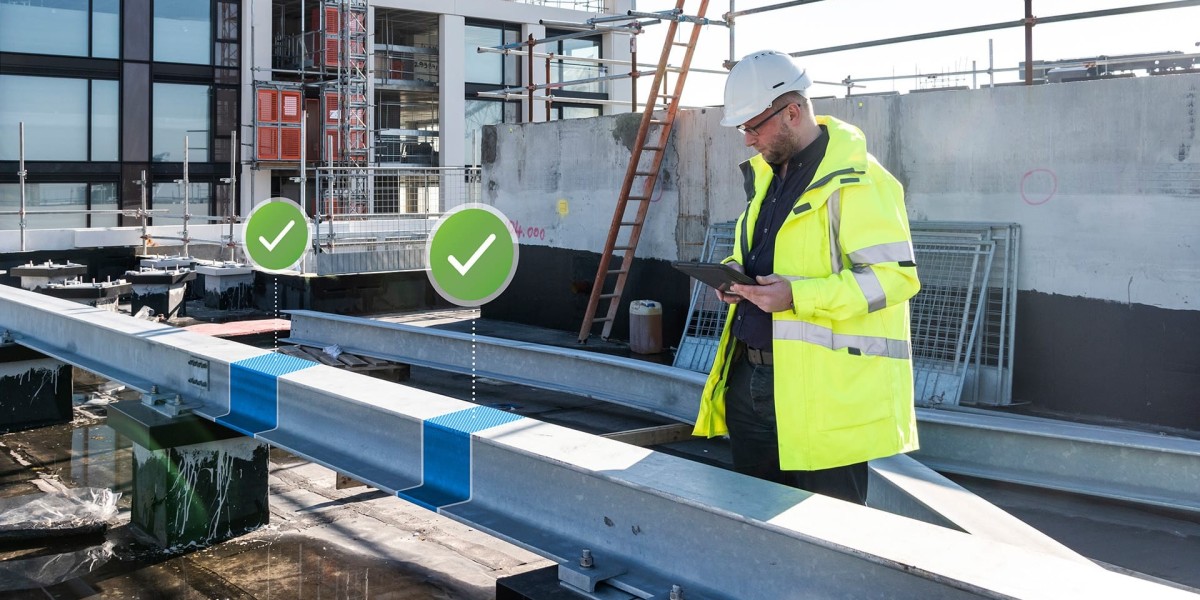
- Digital inspection software
- Mobile quality reporting applications
- Drones for site inspections
- Laser scanning
- Cloud-based document management
Technology improves accuracy, collaboration, and real-time quality monitoring.
Promote Continuous Improvement
Construction quality management encourages organizations to evaluate project performance continually.
Continuous improvement activities include:
- Lessons learned reviews
- Quality audits
- Process optimization
- Staff training
- Performance benchmarking
These initiatives help improve future construction projects.
Best Practices for Construction Quality Management
Successful quality management programs often include:
- Establish clear quality objectives.
- Develop comprehensive inspection plans.
- Use certified materials and suppliers.
- Conduct regular site inspections.
- Document quality activities thoroughly.
- Train construction personnel.
- Address issues immediately.
- Review quality performance throughout the project.
Following these practices helps maintain consistent construction standards.
Common Challenges
Construction quality management may encounter challenges such as:
- Tight project schedules
- Labor shortages
- Material availability issues
- Design revisions
- Communication breakdowns
- Budget limitations
Strong planning and proactive quality monitoring help overcome these obstacles.
Why Construction Quality Management Matters
Construction quality management delivers measurable benefits, including:
- Better building performance
- Lower maintenance costs
- Reduced rework
- Improved safety
- Greater regulatory compliance
- Enhanced client satisfaction
- Increased project efficiency
- Long-term asset value
These benefits contribute to successful project outcomes and stronger industry reputations.
Industries That Benefit from Construction Quality Management
Quality management is essential across numerous sectors, including:
- Commercial construction
- Residential developments
- Healthcare facilities
- Educational institutions
- Manufacturing plants
- Warehouses
- Hospitality projects
- Government infrastructure
- Transportation facilities
Every type of construction project benefits from consistent quality oversight.
Conclusion
Construction quality management is a fundamental component of successful building projects. By establishing clear quality standards, inspecting materials and workmanship, monitoring compliance, and implementing continuous improvement practices, construction teams can significantly improve building performance while reducing costly defects and rework.
Whether managing commercial buildings, residential developments, industrial facilities, or public infrastructure, investing in effective construction quality management helps ensure projects are completed safely, efficiently, and according to the highest standards. The result is stronger, more durable buildings, satisfied clients, lower lifecycle costs, and long-term value for owners, contractors, and stakeholders alike.