
Chainmaille jewelry is admired for its intricate patterns, exceptional durability, and timeless appeal. At the heart of every chainmaille creation are jump rings—the individual metal rings woven together to form bracelets, necklaces, earrings, pendants, and even decorative art. Among the many materials available, stainless steel jump rings have become a top choice for both beginners and experienced artisans due to their strength, corrosion resistance, and polished appearance.
This complete guide explores everything you need to know about stainless steel jump rings for chainmaille jewelry, including their benefits, types, sizes, tools, techniques, and maintenance tips.
What Are Stainless Steel Jump Rings?
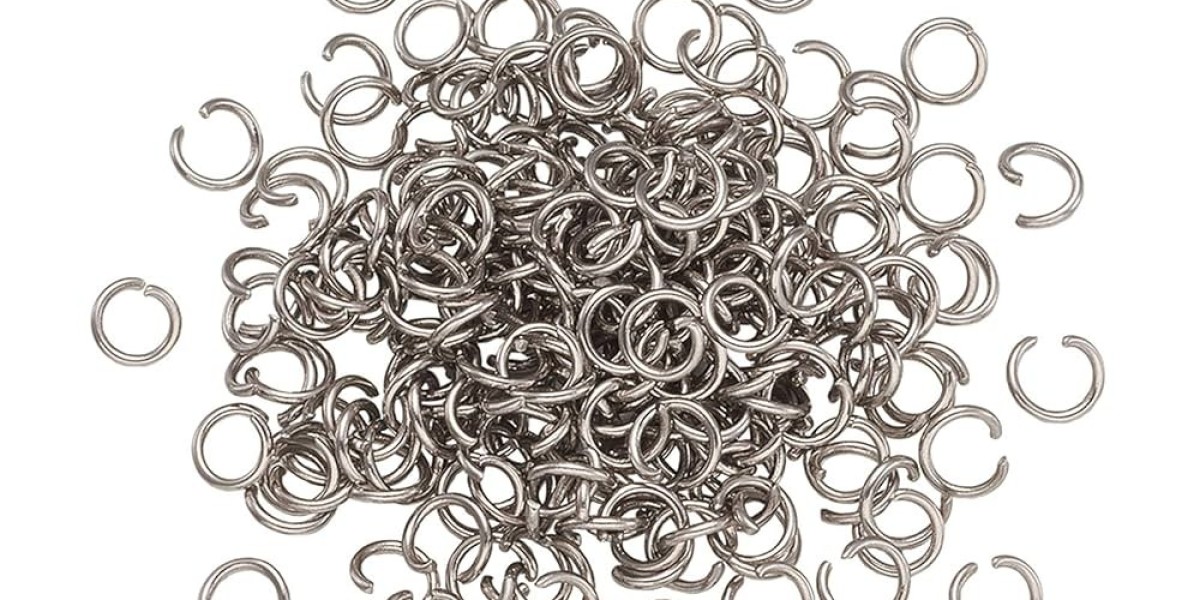
Stainless steel jump rings are circular metal rings with a small opening that allows them to connect with other rings or jewelry components. In chainmaille, hundreds or even thousands of jump rings are interlocked in carefully arranged patterns to create flexible yet durable jewelry.
Unlike plated or softer metals, stainless steel offers excellent structural integrity, making it ideal for chainmaille projects that require long-lasting performance.
Why Choose Stainless Steel for Chainmaille?
Stainless steel has earned its popularity among jewelry makers for several important reasons.
Exceptional Strength
Chainmaille jewelry experiences constant movement and tension during wear. Stainless steel jump rings resist bending and deformation better than many softer metals, helping your jewelry maintain its shape over time.
Outstanding Corrosion Resistance
One of stainless steel's greatest advantages is its resistance to rust, tarnish, and corrosion. Even with regular exposure to moisture, sweat, and air, high-quality stainless steel maintains its attractive finish with minimal maintenance.
Long-Lasting Durability
Whether you're creating everyday bracelets or statement necklaces, stainless steel jump rings provide excellent durability. Properly closed rings remain secure, reducing the risk of jewelry coming apart during daily wear.
Modern Appearance
Stainless steel offers a clean, bright silver finish that complements gemstones, crystals, leather, resin, and other jewelry materials. Its sleek appearance works well with both contemporary and classic designs.
Hypoallergenic Properties
Many grades of stainless steel are suitable for individuals with sensitive skin. This makes stainless steel chainmaille jewelry a practical option for customers looking for comfortable, irritation-free accessories.
Understanding Stainless Steel Grades
Not all stainless steel jump rings are identical. The most common grades used in jewelry making include:
304 Stainless Steel
- Affordable
- Strong
- Good corrosion resistance
- Suitable for most jewelry applications
316L Stainless Steel
Often called surgical stainless steel, 316L offers:
- Superior corrosion resistance
- Excellent durability
- Better performance in humid or coastal environments
- Increased resistance to skin irritation
Many professional jewelry makers prefer 316L stainless steel for premium chainmaille pieces.
Choosing the Right Jump Ring Size
Selecting the proper jump ring size is one of the most important aspects of successful chainmaille.
Inner Diameter (ID)
The inner diameter measures the open space inside the ring. Smaller diameters create tighter weaves, while larger diameters produce more flexible patterns.
Common sizes include:
- 3 mm
- 4 mm
- 5 mm
- 6 mm
- 8 mm
- 10 mm
Wire Gauge
Wire gauge determines the thickness of the metal.
Popular gauges include:
- 18 Gauge
- 20 Gauge
- 16 Gauge
- 14 Gauge
Thicker gauges create stronger jewelry but require more force to open and close.
Understanding Aspect Ratio (AR)
One of the most important concepts in chainmaille is the Aspect Ratio (AR).
Aspect Ratio is calculated by dividing the inner diameter by the wire diameter.
Different chainmaille weaves require different aspect ratios to function properly. Choosing the correct AR ensures the weave remains flexible, secure, and visually balanced.
Examples include:
- European 4-in-1
- Byzantine
- Japanese 12-in-2
- Helm Weave
- Box Chain
- Full Persian
- Half Persian
Before purchasing jump rings, always verify the recommended aspect ratio for your chosen weave.
Popular Chainmaille Patterns Using Stainless Steel Jump Rings
European 4-in-1
One of the most recognized chainmaille weaves, offering a balanced combination of flexibility and strength.
Ideal for:
- Bracelets
- Necklaces
- Belts
Byzantine
Known for its elegant, rope-like appearance.
Suitable for:
- Bracelets
- Necklaces
- Earrings
Box Chain
Creates a square, structured design with excellent durability.
Popular for:
- Men's jewelry
- Keychains
- Decorative chains
Helm Weave
Produces a bold, decorative pattern with dimensional appeal.
Great for:
- Statement bracelets
- Pendants
Full Persian
An advanced weave featuring intricate interlocking rings and outstanding flexibility.
Essential Tools for Working with Stainless Steel Jump Rings
Because stainless steel is stronger than aluminum or copper, quality tools are essential.
Two Pairs of Chain Nose Pliers
Used to grip opposite sides of the jump ring while opening and closing.
Bent Nose Pliers
Provide better visibility during detailed work.
Flat Nose Pliers
Offer strong grip without excessive slipping.
Nylon Jaw Pliers
Help straighten wire or adjust components without scratching polished surfaces.
Ring Opener
A helpful accessory that speeds up repetitive weaving during large projects.
Techniques for Opening and Closing Jump Rings
Proper technique helps preserve the ring's shape.
Always:
- Twist rings sideways rather than pulling them apart.
- Avoid stretching the ring outward.
- Close rings firmly until the cut ends meet tightly.
- Check each closure before weaving additional rings.
A properly closed jump ring contributes significantly to the durability of the finished jewelry.
Advantages Over Other Materials
Stainless Steel vs. Aluminum
| Stainless Steel | Aluminum |
|---|---|
| Much stronger | Lightweight |
| Highly durable | Easier to bend |
| More scratch resistant | Softer metal |
| Ideal for long-term wear | Excellent for beginners |
Stainless Steel vs. Copper
| Stainless Steel | Copper |
|---|---|
| Rust resistant | May tarnish |
| Higher strength | Softer |
| Minimal maintenance | Requires regular polishing |
Stainless Steel vs. Brass
| Stainless Steel | Brass |
|---|---|
| Superior corrosion resistance | Can oxidize |
| Bright silver finish | Warm gold appearance |
| Excellent durability | Softer metal |
Tips for Beginners
If you're new to chainmaille:
- Start with simple weaves like European 4-in-1.
- Practice opening and closing rings smoothly.
- Purchase extra jump rings for mistakes.
- Organize rings by size and gauge.
- Work under bright lighting.
- Use ergonomic pliers to reduce hand fatigue.
Patience and consistent practice will improve both speed and accuracy.
Caring for Stainless Steel Chainmaille Jewelry
Although stainless steel requires little maintenance, proper care extends its lifespan.
Clean Regularly
Wash with mild soap and warm water.
Dry Thoroughly
Remove moisture before storage.
Polish Occasionally
Use a soft microfiber cloth to restore shine.
Store Properly
Keep jewelry in individual pouches or compartments to prevent scratches.
Inspect Closures
Occasionally check jump rings for loose connections, especially on frequently worn pieces.
Common Mistakes to Avoid
Avoid these common errors:
- Choosing the wrong aspect ratio
- Mixing incompatible jump ring sizes
- Pulling rings open instead of twisting
- Using low-quality pliers
- Leaving small gaps when closing rings
- Purchasing poor-quality stainless steel
Careful attention to these details results in stronger, more professional-looking jewelry.
Why Professionals Prefer Stainless Steel Jump Rings
Professional chainmaille artists often choose stainless steel because it offers:
- Outstanding durability
- Long-lasting shine
- Low maintenance
- Professional appearance
- Reliable structural strength
- Excellent customer satisfaction
Its ability to withstand everyday wear makes it ideal for jewelry intended to last for years.
Conclusion
Stainless steel jump rings are one of the stainless steel jump rings chainmaille jewelry. Their strength, corrosion resistance, attractive finish, and long lifespan make them suitable for everything from beginner practice pieces to professional-quality designs. By selecting the correct ring size, wire gauge, and aspect ratio, using proper tools, and mastering basic weaving techniques, you can create beautiful chainmaille jewelry that combines elegance with exceptional durability.
Whether you're crafting a delicate bracelet, a bold necklace, or an intricate decorative weave, investing in high-quality stainless steel jump rings provides a solid foundation for creating jewelry that is both visually striking and built to endure.