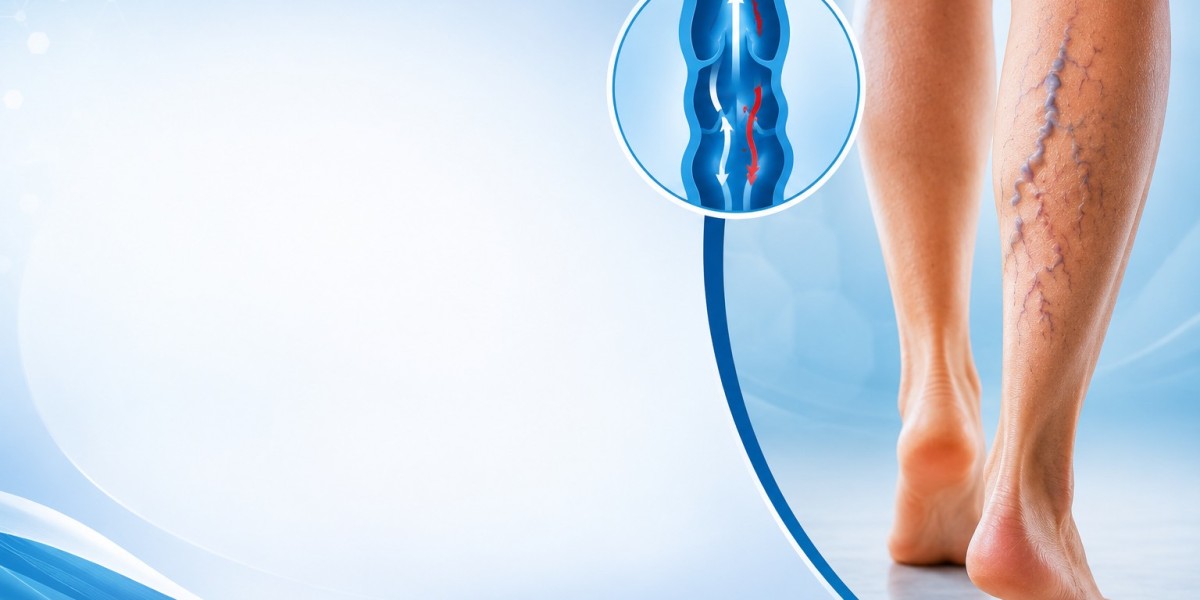

Varicose veins usually develop gradually rather than appearing overnight. What may begin as mild discomfort or small visible veins can slowly progress to swelling, skin changes, and more advanced circulation problems if the underlying vein disease continues. Recognizing the different stages early helps patients seek appropriate treatment before symptoms begin affecting daily life or long-term leg health.
Many people ignore the early signs because they assume tired legs or occasional swelling are simply part of aging or standing for long hours. However, these symptoms may be the first indication that the veins are no longer moving blood efficiently back to the heart. Understanding the different varicose veins stages helps explain how chronic vein disease progresses and why early intervention is often beneficial.
Why Do Varicose Veins Progress in Stages?
Healthy veins contain one-way valves that move blood upward toward the heart.
When these valves become weak or damaged, blood begins flowing backward and collects inside the veins. This process, known as venous reflux, gradually increases pressure inside the veins.
According to the Society for Vascular Surgery, chronic venous disease develops because persistent venous reflux places continuous stress on the venous system.
The longer this abnormal blood flow continues, the more noticeable the symptoms become.
Stage 1: Early Vein Changes
The earliest stage often produces only mild symptoms.
Some people notice:
Occasional leg heaviness
Mild aching after standing
Tired legs
Small visible surface veins
Symptoms usually improve after resting or elevating the legs.
Because discomfort is temporary, many people do not seek medical advice during this stage.
Stage 2: Visible Varicose Veins
As venous pressure increases, the veins become larger and easier to see beneath the skin.
Typical features include:
Twisted blue veins
Bulging veins
Mild swelling
Increasing discomfort
At this stage, symptoms often become more noticeable after long periods of standing or walking.
Visible veins indicate that the underlying circulation problem has progressed beyond the earliest stage.
Stage 3: Persistent Swelling
Swelling around the ankles and lower legs becomes more common as vein function continues to decline.
Patients may notice:
Daily ankle swelling
Tightness around the lower legs
Socks leaving deep marks
Legs feeling heavier throughout the day
According to the National Health Service (NHS), persistent swelling is a common sign that chronic venous disease is progressing.
Swelling may initially improve overnight but gradually become more frequent.
Stage 4: Skin Changes
Long-standing venous pressure begins affecting the surrounding skin.
Common changes include:
Brown skin discoloration
Dry skin
Itching
Thickened skin
Hardening around the ankles
These skin changes develop because the tissues are exposed to prolonged pressure from impaired blood circulation.
At this stage, medical evaluation becomes particularly important to reduce the risk of further complications.
Stage 5: Healed Venous Ulcers
Some patients develop venous ulcers that eventually heal with appropriate medical care.
Although the wound may close, the underlying vein disease remains present.
This stage indicates advanced chronic venous insufficiency and requires continued monitoring to reduce the likelihood of recurrence.
Patients who have experienced a healed ulcer remain at increased risk of future skin complications if abnormal blood flow continues.
Stage 6: Active Venous Ulcers
Active venous leg ulcers represent the most advanced stage of chronic venous disease.
These wounds most commonly develop near the ankle after prolonged venous pressure damages the surrounding tissues.
According to the National Institute for Health and Care Excellence (NICE), venous ulcers are associated with advanced chronic venous insufficiency and require comprehensive medical management.
Although not every patient reaches this stage, it highlights why early diagnosis is important.
How Do Doctors Identify the Stage?
Doctors evaluate more than the visible veins.
Assessment usually includes:
Medical history
Physical examination
Duplex ultrasound
Ultrasound helps identify:
Damaged vein valves
Blood flow direction
Source of venous reflux
Extent of vein disease
Accurate staging helps doctors recommend the most appropriate treatment.
Can Treatment Stop Disease Progression?
Yes.
Modern treatment aims to correct the abnormal blood flow responsible for increasing venous pressure.
Common minimally invasive treatments include:
Endovenous Laser Ablation (EVLA)
Radiofrequency Ablation (RFA)
Foam Sclerotherapy
Venaseal
By closing the diseased veins, these procedures redirect blood through healthier veins and help reduce symptoms while limiting further progression.
Treatment recommendations depend on ultrasound findings, symptom severity, and overall vein health.
Conclusion
Varicose veins usually progress through several recognizable stages, beginning with mild discomfort and visible veins before potentially advancing to swelling, skin changes, and venous ulcers. Although progression varies between individuals, damaged vein valves rarely recover without treatment, making early recognition particularly important.
The encouraging news is that modern diagnostic techniques allow doctors to identify vein disease before advanced complications develop. Timely evaluation and minimally invasive treatment can improve circulation, relieve symptoms, and help preserve long-term leg health. Those interested in learning more about advanced vein care can consult the best doctor for varicose veins in jaipur to explore appropriate treatment options.
Frequently Asked Questions
What is the first stage of varicose veins?
The earliest stage often involves mild leg heaviness, tiredness, or small visible veins without significant swelling.
Do all varicose veins progress to advanced stages?
No. Some cases remain stable for years, while others gradually progress depending on genetics, lifestyle, and the severity of valve damage.
Why does swelling develop in later stages?
Swelling occurs because damaged vein valves allow blood to pool inside the legs, increasing pressure within the veins.
Can skin discoloration caused by varicose veins be a warning sign?
Yes. Brown skin discoloration and thickened skin often indicate progression of chronic venous disease and should be medically evaluated.
Can minimally invasive treatment help at different stages?
Yes. Modern vein treatments can often improve blood flow and relieve symptoms at various stages, although the most appropriate treatment depends on ultrasound findings and overall disease severity.