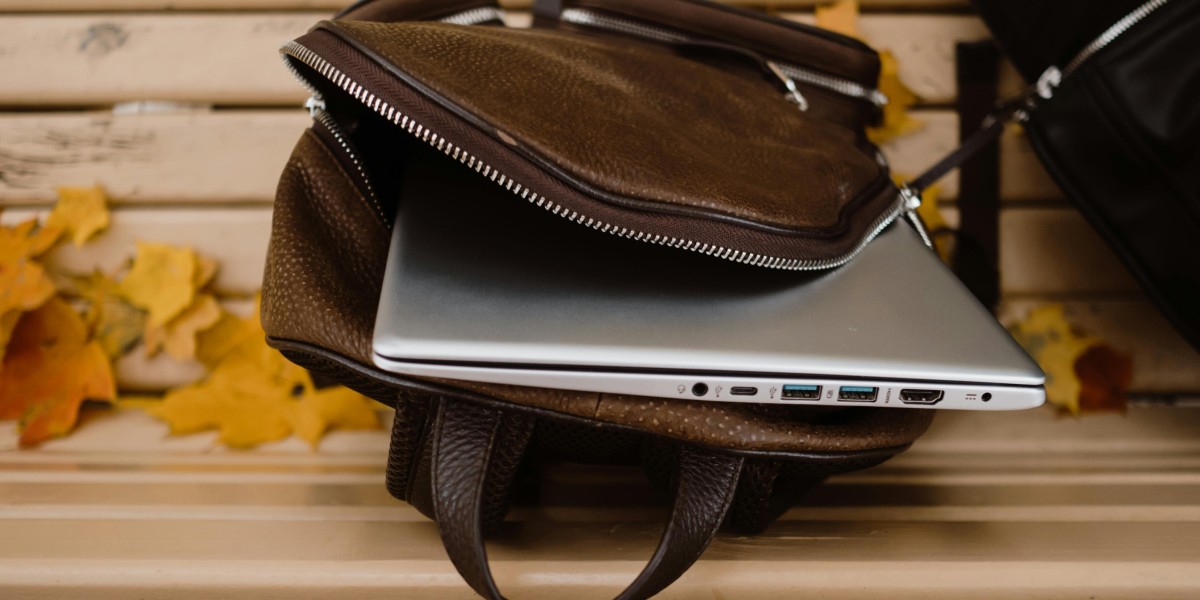

Every weekday morning, millions of office workers sling a bag over their shoulder, step out the door, and begin the commute to work. Most don't give it a second thought — it is just the bag, the laptop, the charger, the water bottle, the notebook, maybe a spare pair of shoes for the gym they will probably skip again. But that unassuming pile of weight you haul from home to desk and back again five days a week is doing something to your body that you might not notice until it is too late. The humble laptop side bag has become a modern-day millstone, and a staggering number of people are carrying far more than they realise — and far more than they should.
The Weight Adds Up Faster Than You Think
Let's talk numbers for a moment, not to bore you, but because they tend to startle people into paying attention.
A standard 15-inch laptop sits somewhere between 1.8 and 2.5 kilograms on its own. Add a charger (around 400 grams for most models), a water bottle (500ml full = 0.5 kg), a notebook, a few cables, earphones, a lunchbox, and perhaps a small umbrella because you glanced at the weather app and panicked — and you're comfortably at 5 to 7 kilograms before you've even thought about it. Physiotherapists generally recommend that a bag should not exceed 10% of your body weight. For the average adult, that is somewhere around 6 to 8 kilograms at most. Many daily commuters are right at that edge, or well past it.
The problem is not just the total weight. It is how you carry it, how long you carry it, and how frequently your body is subjected to it without adequate recovery.
What a Heavy Bag Actually Does to Your Body
The spine is a marvel of engineering, but it was not designed for asymmetrical loading over long distances. When you carry a single-strap bag on one shoulder — which most people do — your body compensates by tilting. The shoulder on the carrying side rises, the opposite hip drops slightly, and your spine curves to absorb the imbalance. Do this once and you'll feel nothing. Do it for three years across a forty-five-minute commute each way, and you've essentially been training your postural muscles to hold a distorted position.
The result? Chronic neck and upper back pain that most people attribute to "sitting at a desk all day." Sitting is part of it, certainly, but the bag is frequently the unacknowledged accomplice.
Then there is the shoulder itself. The trapezius muscle — that thick band running from the base of your skull to the middle of your back — is doing the lion's share of the work when you carry a shoulder bag. Over time, sustained loading of this muscle without adequate rest leads to tightness, trigger points, and a dull, persistent ache that tends to worsen as the day goes on. Many people reach for a painkiller and move on. Very few stop to ask why the pain keeps returning.
The lower back is another casualty. Even when you carry weight symmetrically — say, with both straps of a backpack — an overloaded bag shifts your centre of gravity backward, forcing you to lean forward at the hips to compensate. This posture places additional compressive load on the lumbar vertebrae and strains the muscles running alongside the spine. It is why people with heavy backpacks often have that slightly hunched, head-forward gait — the body is doing what it must to stay upright.
The Cumulative Nature of the Damage
What makes this particularly insidious is that the damage is cumulative and quiet. You don't feel a heavy bag injuring you in the way you might feel a sports injury. There is no sudden sharp pain, no dramatic moment where something gives way. Instead, the discomfort creeps in gradually — a stiff neck in the morning, a tight shoulder that seems to resist stretching, a lower back that aches when you stand up from your desk. People adapt to these sensations with such ease that they begin to feel normal.
By the time many people seek physiotherapy or medical advice, the muscular imbalances are well-established and require significant effort to correct. Prolonged carrying of heavy bags has also been linked to nerve compression in the shoulder region, which can produce tingling and numbness radiating down the arm — a symptom often misattributed to poor desk ergonomics alone.
The Ergonomic Case for a Better Bag
This is where the conversation shifts from problem to solution, and it is worth being clear-eyed about what actually works.
The single most important change most people can make is switching from a single-strap shoulder bag to a well-designed, properly fitted backpack. The reasoning is straightforward: two straps distribute weight across both shoulders, engage the larger muscle groups of the upper back rather than one side, and keep the load closer to the body's centre of gravity, reducing the leverage that makes weight feel heavier than it is.
But not all backpacks are created equal, and this is where many people make a second mistake — they trade a bad shoulder bag for a cheap, structurally inadequate backpack that creates its own problems. Padded shoulder straps, a sternum strap to prevent the straps from sliding off, a padded back panel for comfort and airflow, and a dedicated, well-padded laptop compartment are not luxury features. They are functional requirements for anyone carrying a device and accessories to work every day.
For those exploring laptop backpacks in Sri Lanka, the options have improved considerably in recent years. Both physical retailers and online platforms now carry a reasonable range of ergonomic commuter bags across different price points, catering to a market that is increasingly aware of the importance of posture and physical health in the workplace context.
What to Look for When Choosing a Laptop Bag
Fit matters more than aesthetics, though ideally you don't have to choose between them. The bag should sit high on your back — the bottom of the bag should rest at your waistline, not below it. If the bag is hanging low on your back, the weight shifts further from your centre of gravity, and all the leverage physics works against you.
Compartmentalisation is also underrated. A bag where everything slides around and shifts weight unpredictably is harder on your body than one where items are organised and stable. Look for a bag with a dedicated padded sleeve for your laptop, separate pockets for accessories and cables, and ideally a water bottle sleeve on the exterior so you're not opening the main compartment every time you need a drink.
When considering laptop backpack prices, it is worth thinking of the bag as an investment in occupational health rather than a commodity purchase. A decent ergonomic laptop backpack will typically set you back more than a basic bag from a street vendor, but the cost-benefit calculus changes considerably when you factor in physiotherapy sessions, pain management, and lost productivity from chronic musculoskeletal discomfort.
Brands Worth Knowing
For those who want both form and function, it is worth knowing that premium bag brands have been making their way into more markets globally. Mark Ryden in Sri Lanka is one name that has been gaining attention among working professionals — the brand is known for its ergonomically considered backpacks that offer a thoughtful balance of organisation, comfort, and build quality. Their products have found an audience precisely because they address the practical realities of daily commuting without sacrificing the kind of clean, professional aesthetic that many office-goers want.
The broader point is that the market for quality commuter bags has matured, and there is no longer any particular reason to make do with bags that compromise on ergonomics. Whether you're a student, a creative professional, or someone whose office bag doubles as an overnight bag, the right bag for your specific load and commute exists — you simply have to be willing to look for it and invest in it appropriately.
Small Habits That Make a Real Difference
Beyond choosing the right bag, how you use it matters. Make it a habit to actually empty your bag at the end of each workday and repack only what you need for the next. Most people carry a staggering amount of dead weight — items they "might need" but never use, accumulated over weeks of absent-minded packing.
Wear both straps, always. It sounds obvious, but the number of people who own a backpack and carry it by one strap anyway — because it feels more casual, because they are only walking a short distance — is remarkable. Every bit of asymmetric loading adds to the cumulative burden on one side of your body.
When you do have to carry a heavier load on a given day, adjust your commute where possible. If you normally walk twenty minutes to the station, consider taking a shorter route or a vehicle. Be mindful of the difference between what your bag weighs on a light day versus a heavy one.
And if you're already experiencing persistent neck, shoulder, or back pain — don't wait. See a physiotherapist who can assess your posture, identify any muscular imbalances that have developed, and give you targeted exercises to correct them. The earlier you address the issue, the less entrenched it becomes.
The Bigger Picture
There is a tendency to frame workplace health conversations around the desk — the ergonomic chair, the monitor height, the standing desk. These things genuinely matter. But the journey to and from the desk is part of the workday too, and the bag that accompanies you on that journey deserves the same thoughtful attention.
Your back, your shoulders, and your neck will carry you through your working life — decades of commutes, deadlines, and days that start early and end late. What you ask them to carry along the way is, to a meaningful degree, within your control. That is not a small thing.
Start by weighing your bag tomorrow morning before you leave. You might be surprised by what you find.