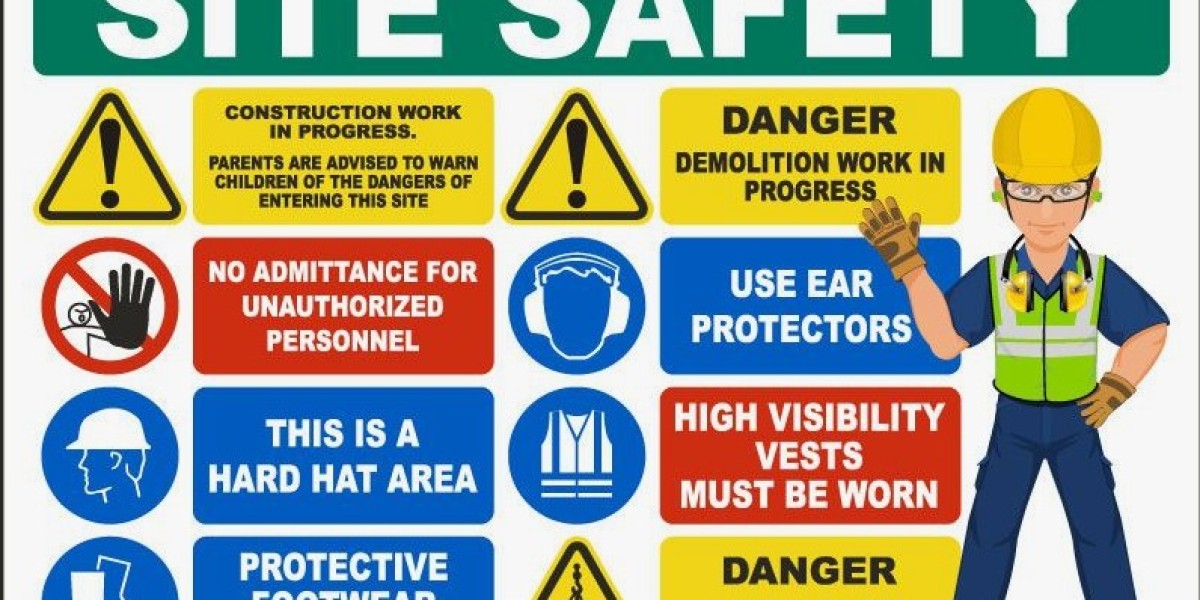

Safety is one of the highest priorities on any construction project, regardless of its size or complexity. Proper construction site safety signage plays a critical role in protecting workers, visitors, contractors, and the public by clearly communicating hazards, safety rules, and emergency information. From residential developments to large commercial construction projects, safety signs help reduce accidents, improve awareness, and support compliance with workplace safety regulations.
Construction sites are constantly changing environments with heavy machinery, elevated work areas, electrical systems, and moving vehicles. Effective signage ensures everyone on-site understands potential risks and follows established safety procedures.
What Is Construction Site Safety Signage?
Construction site safety signage includes visual signs, symbols, and notices designed to communicate important safety information throughout a job site. These signs provide clear instructions, identify hazards, and remind workers to wear the appropriate personal protective equipment (PPE).
Safety signage is typically installed at entrances, work zones, equipment areas, hazardous locations, and emergency access points to ensure important information is always visible.
Why Construction Site Safety Signage Is Important
Well-designed safety signage provides several important benefits for construction projects.
Prevents Workplace Accidents
Warning signs help workers recognize hazards before entering dangerous areas, reducing the risk of injuries.
Improves Hazard Communication
Clear signs communicate risks such as electrical hazards, falling objects, moving equipment, and restricted access zones.
Supports Regulatory Compliance
Proper safety signage helps construction companies meet workplace safety requirements and maintain organized job sites.
Protects Workers and Visitors
Safety signs provide guidance not only for employees but also for subcontractors, inspectors, delivery personnel, and visitors entering the site.
Types of Construction Site Safety Signage
Different signs serve different purposes depending on the level of risk and the information being communicated.
Warning Signs
Warning signs alert workers to potential hazards that could result in injury if precautions are not taken.
Common examples include:
- Falling object hazards
- High-voltage equipment
- Slippery surfaces
- Excavation areas
- Moving machinery
Mandatory Signs
Mandatory signs indicate actions that workers are required to follow.
Examples include:
- Hard hats required
- Safety glasses must be worn
- Hearing protection required
- High-visibility clothing required
- Safety boots required
Prohibition Signs
These signs identify activities that are not permitted on the construction site.
Common examples include:
- No smoking
- No unauthorized entry
- No open flames
- No mobile phones in restricted areas
Emergency Signs
Emergency signage helps workers locate critical safety resources quickly.
These signs include:
- Emergency exits
- First aid stations
- Fire extinguisher locations
- Emergency assembly points
- Emergency contact information
Information Signs
Information signs provide helpful guidance throughout the worksite.
Examples include:
- Site office location
- Parking areas
- Delivery zones
- Visitor check-in points
- Equipment storage areas
Common Hazards That Require Safety Signage
Construction sites present many potential dangers that should be clearly identified.
Electrical Hazards
Signs warn workers about energized equipment, temporary wiring, and restricted electrical rooms.
Falling Objects
Workers should be alerted to overhead work zones where protective helmets are required.
Heavy Equipment
Signs help separate pedestrians from cranes, forklifts, excavators, and other machinery.
Excavations and Trenches
Warning signs identify unstable ground and deep excavation areas.
Hazardous Materials
Chemical storage and hazardous substances require clearly marked safety signs and handling instructions.
Best Locations for Construction Site Safety Signage
Proper placement ensures signs remain visible and effective.
Site Entrance
Display general safety rules, PPE requirements, emergency contacts, and visitor instructions.
Work Zones
Install warning signs near active construction areas and heavy equipment.
Hazardous Areas
Place signs around electrical panels, confined spaces, and excavation sites.
Emergency Equipment
Clearly identify fire extinguishers, emergency exits, first aid stations, and assembly points.
Materials Used for Safety Signage
Construction environments require durable signage capable of withstanding harsh outdoor conditions.
Common materials include:
- Aluminum
- Heavy-duty plastic
- Reflective vinyl
- Weather-resistant composite panels
- Corrosion-resistant metal
These materials provide excellent durability while remaining highly visible.
Best Practices for Effective Construction Site Safety Signage
To maximize effectiveness, construction site safety signage should follow several important guidelines.
Use Clear Language
Messages should be brief, direct, and easy to understand.
Include Universal Symbols
Recognized safety symbols improve communication for workers with different language backgrounds.
Ensure High Visibility
Use bold colors, reflective materials, and large lettering that can be read from a distance.
Keep Signs Well Maintained
Replace faded, damaged, or obstructed signs immediately to maintain effectiveness.
Update Signs as Conditions Change
Construction sites evolve throughout a project, so signage should reflect current hazards and work activities.
Personal Protective Equipment (PPE) Signage
Many construction tasks require workers to wear specific protective equipment.
Common PPE signs include:
- Hard hats required
- Safety glasses required
- Hearing protection required
- Respiratory protection required
- Protective gloves required
- High-visibility clothing required
These reminders encourage compliance and help reduce workplace injuries.
Benefits of Quality Construction Site Safety Signage
Investing in professional construction site safety signage offers long-term advantages.
Improved Worker Safety
Clear communication helps workers recognize and avoid hazards.
Reduced Accident Rates
Visible safety instructions encourage safer work practices.
Better Site Organization
Directional and informational signs improve workflow and navigation.
Enhanced Professionalism
Well-maintained safety signage demonstrates a strong commitment to workplace safety and operational excellence.
Maintaining Construction Site Safety Signage
Regular maintenance helps ensure signs remain effective throughout the project.
- Inspect signs frequently for damage.
- Clean dirt and debris from sign surfaces.
- Replace faded or weather-damaged signs promptly.
- Ensure signs remain securely mounted.
- Remove outdated signage when worksite conditions change.
Routine maintenance keeps safety communication accurate and highly visible.
Conclusion
Construction site safety signage is an essential component of every successful construction project. By clearly identifying hazards, communicating mandatory safety procedures, and guiding workers during emergencies, these signs help create a safer and more organized work environment.
Whether managing a residential development, commercial building, or large industrial project, investing in durable, high-quality safety signage supports workplace safety, improves communication, and contributes to the overall success of the construction site