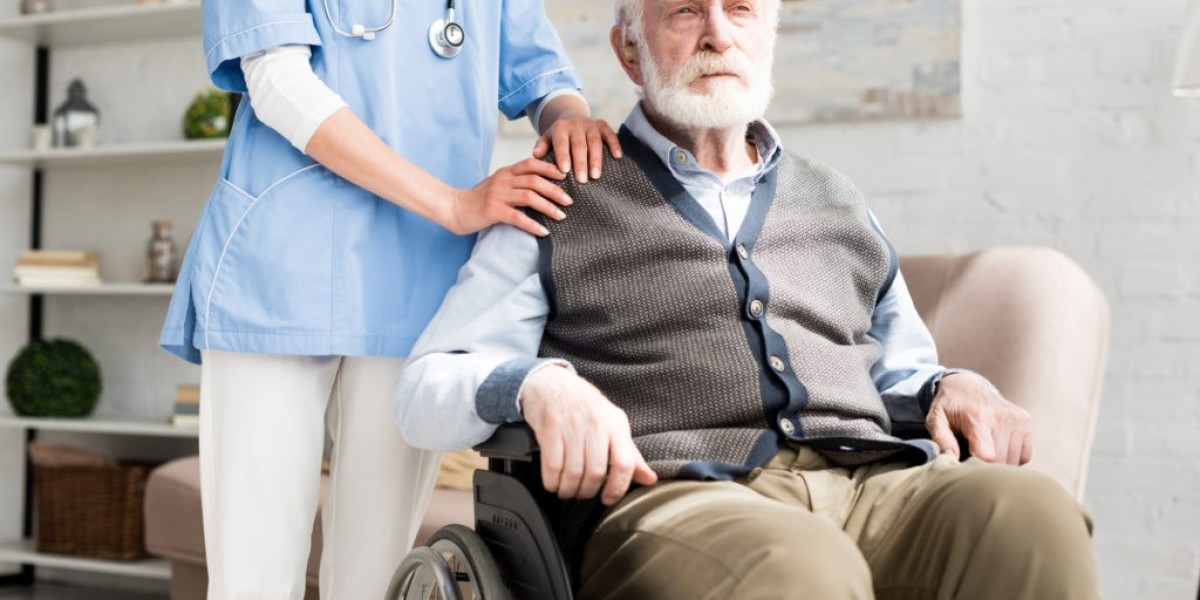

Caring for an aging parent or recovering family member often begins with simple support such as meal preparation, transportation, or companionship. However, health conditions can change quickly, and families may discover that basic assistance is no longer enough. Medical needs such as wound treatment, medication management, or post-surgical recovery often require professional clinical support. This is where home health skilled nursing becomes an essential part of the care journey, allowing patients to receive medical attention while remaining in the comfort of home.
The demand for home-based healthcare continues to rise throughout the United States. According to the U.S. Centers for Medicare & Medicaid Services (CMS), millions of Americans receive skilled home health services every year, with many patients recovering more comfortably and safely at home than in institutional settings. Families who understand when professional nursing care is necessary can make better decisions and prevent avoidable health complications.
The Problem: Basic Caregiving Cannot Meet Every Medical Need
Many families initially believe they can manage a loved one's care on their own. They may provide meals, help with bathing, or assist with transportation to medical appointments. While these efforts are valuable, certain medical conditions require specialized knowledge and clinical expertise that family caregivers simply do not possess. Waiting too long to seek professional care can place both patients and caregivers under significant stress.
I have personally seen families struggle after a loved one returned home from the hospital following surgery. Family members wanted to help but felt overwhelmed by medication schedules, home health skilled nursing instructions, and concerns about possible complications. Without proper support, caregivers often experience exhaustion, while patients face a higher risk of delayed recovery or rehospitalization.
Understanding What Skilled Nursing Means
Many people confuse non-medical caregiving with nursing care, yet the two services are very different. Home health skilled nursing involves licensed healthcare professionals, including registered nurses and licensed practical nurses, who provide physician-ordered medical services within the patient's home. These services are designed to address medical needs that require professional clinical oversight.
A home health care aide may assist with personal hygiene, meal preparation, or mobility support, but licensed nurses perform tasks requiring medical training. Skilled nurses assess patient conditions, monitor symptoms, provide treatments, educate families, and communicate with physicians regarding changes in health status. Their expertise helps ensure that patients receive safe and effective care outside of traditional healthcare facilities.
Signs Your Loved One May Need Skilled Nursing Care
Recognizing the need for advanced medical care is not always easy. Families should pay attention to changes in health status, especially following hospitalization, surgery, or worsening chronic illness. Frequent falls, medication errors, recurring infections, and increasing difficulty managing medical treatments often indicate the need for professional nursing services.
Another important warning sign is repeated hospital admissions. According to Medicare data, effective home-based nursing interventions can reduce avoidable readmissions among patients with chronic illnesses. Early involvement of skilled nurses often helps identify complications before they become serious, improving outcomes and reducing emergency healthcare utilization.
Medical Services Provided by Skilled Nurses
The scope of professional nursing services extends far beyond routine caregiving. Home health skilled nursing typically includes medication administration and management, wound care, intravenous therapy, injections, catheter care, pain management, and ongoing health assessments. Nurses also monitor vital signs and evaluate patient progress during recovery.
Patients recovering from surgery frequently require wound monitoring and dressing changes to prevent infections. Individuals with chronic illnesses such as heart failure or diabetes often benefit from regular nursing visits to monitor symptoms and adjust care plans as necessary. Skilled nurses serve as an important connection between patients, physicians, and family caregivers throughout the recovery process.
Managing Chronic Conditions at Home
Chronic diseases account for a large percentage of healthcare utilization among older adults in the United States. The Centers for Disease Control and Prevention reports that approximately 80 percent of older Americans live with at least one chronic condition, while many manage multiple illnesses simultaneously. Conditions such as diabetes, chronic obstructive pulmonary disease, heart disease, and Parkinson's disease often require ongoing clinical oversight.
Home health skilled nursing allows patients with chronic illnesses to receive continuous monitoring without frequent trips to healthcare facilities. Nurses educate patients about symptom management, medication adherence, dietary recommendations, and warning signs requiring medical attention. This proactive approach often prevents disease progression and improves overall quality of life.
Post-Hospital Recovery and Rehabilitation Support
Hospital discharge does not necessarily mean recovery is complete. In many cases, patients continue to require medical supervision after returning home. Recovery from joint replacement, stroke, major surgery, or severe illness often involves ongoing assessments and treatment adjustments. Professional nursing support can make this transition smoother and safer.
Families frequently combine nursing visits with assistance from a home health care aide to address both medical and personal care needs. While aides assist with daily activities, nurses manage clinical concerns and ensure treatment plans are followed correctly. This coordinated approach creates comprehensive support for recovering patients and reduces caregiver burden.
Wound Care and Infection Prevention
One of the most common reasons families seek professional nursing services is wound management. Surgical incisions, pressure injuries, diabetic ulcers, and traumatic wounds require specialized treatment to promote healing and prevent infection. Improper wound care can lead to serious complications, prolonged recovery, or hospitalization.
Skilled nurses assess wounds regularly, change dressings, monitor healing progress, and educate family members about proper care techniques. Studies published in the Journal of Wound Care have shown that structured home-based wound management programs can significantly improve healing outcomes while reducing healthcare costs. Early intervention by trained nurses often prevents minor problems from becoming major medical issues.
Medication Management and Patient Safety
Medication errors remain a significant concern for older adults, particularly those taking multiple prescriptions. Research from the National Institute on Aging indicates that medication-related complications contribute to thousands of hospital admissions annually among seniors. Managing complex medication schedules can be challenging for both patients and family caregivers.
A home health care aide may remind patients to take medications, but licensed nurses provide comprehensive medication reconciliation, evaluate side effects, and identify potential drug interactions. Nurses also educate patients and families regarding proper medication use, helping reduce errors and improve treatment effectiveness. This oversight plays a critical role in maintaining patient safety at home.
Real-World Success Stories From U.S. Healthcare Programs
Several healthcare organizations across the United States have demonstrated the effectiveness of skilled home care programs. One notable example is the Hospital at Home model implemented by healthcare systems such as Mount Sinai Health System and Johns Hopkins Medicine. Studies have shown that eligible patients receiving hospital-level services at home often experience fewer complications, lower costs, and higher satisfaction rates compared with traditional inpatient care.
I recently spoke with a family whose father returned home after heart surgery. Initially, relatives attempted to manage his care independently but quickly realized they needed additional support. With assistance from home health skilled nursing and supplemental help from a home health care aide, the patient successfully recovered at home without experiencing complications or hospital readmission.
The Emotional Benefits for Families and Patients
Medical care at home provides emotional advantages that are sometimes overlooked. Remaining in familiar surroundings often reduces stress and anxiety for patients, particularly older adults who may struggle with prolonged hospital stays. Family members also gain reassurance knowing that licensed professionals are monitoring their loved one's condition.
Caregiver burnout is another important consideration. Studies conducted by AARP show that family caregivers frequently experience emotional, physical, and financial strain. Professional support relieves some of these responsibilities, allowing family members to focus on spending meaningful time with loved ones rather than managing complex medical tasks alone.
How to Determine the Right Time to Seek Skilled Nursing
Families should not wait for a crisis before seeking professional assistance. If a loved one struggles with medication management, wound care, chronic disease monitoring, or post-hospital recovery, discussing home-based nursing options with a physician may be beneficial. Early intervention often leads to better outcomes and fewer complications.
In many situations, combining clinical care with support from a home health care aide provides the most effective solution. This balanced approach addresses both medical and personal care needs, helping patients remain safe, comfortable, and independent for as long as possible.
Conclusion
Basic caregiving plays an important role in supporting older adults and recovering patients, but some situations require a higher level of medical expertise. Home health skilled nursing provides essential clinical services that help patients manage chronic illnesses, recover after hospitalization, and avoid preventable complications while remaining at home.
As healthcare continues shifting toward home-based models, families who recognize the value of home health skilled nursing will be better prepared to support their loved ones through illness, recovery, and long-term health challenges. Seeking professional care at the right time can improve outcomes, reduce stress, and provide peace of mind for everyone involved.