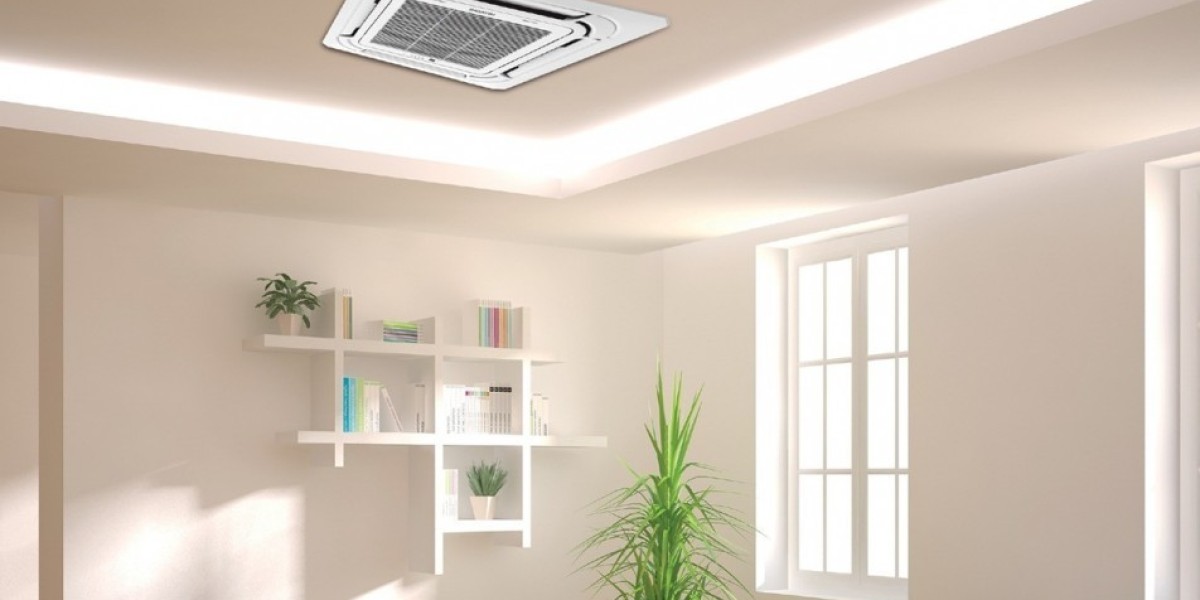

When planning to cool a large room or commercial space, a cassette air conditioner is often one of the most attractive options. Mounted into the ceiling and distributing air in multiple directions, it delivers powerful, even cooling while keeping interiors neat and modern. But before making a purchase, one of the most common questions buyers ask is about the cassette type air conditioner price. In this blog, we break down the factors that affect the cost and offer guidance on how to make a smart, value-driven choice.
Understanding the Cassette Type Air Conditioner
A cassette air conditioner is a ceiling-mounted unit that fits flush into a false ceiling, leaving only a sleek panel visible. Unlike wall-mounted splits that direct air in one direction, cassette units distribute air through multiple vents, often in two or four directions, ensuring uniform cooling across the room. This design makes them ideal for offices, showrooms, restaurants, and large homes.
Because they combine strong cooling performance with a discreet, space-saving design, cassette ACs are a popular choice for spaces where both comfort and appearance matter. Naturally, this premium functionality is reflected in the price, which varies based on several important factors.
Factors That Influence Cassette AC Price
The single biggest factor affecting the price of a cassette air conditioner is its cooling capacity, measured in tons. Larger spaces require higher-capacity units, and as capacity increases, so does the price. A unit designed to cool a small office will cost considerably less than one built for a large hall.
The second major factor is the type of technology used. Inverter cassette ACs, which adjust compressor speed to match cooling demand, typically cost more upfront than non-inverter models. However, they consume less electricity and offer better temperature control, making them more economical over the long term.
Energy efficiency ratings also play a role. Units with higher efficiency ratings tend to carry a higher price tag but reward owners with lower running costs. Additional features such as advanced air filtration, smart controls, and improved build quality can further influence the price.
Installation Costs to Consider
When budgeting for a cassette air conditioner, it is important to remember that the price of the unit itself is only part of the total cost. Installation is a significant consideration because cassette units must be fitted into a false ceiling, with proper drainage and electrical connections. Professional installation ensures the unit performs efficiently and reliably.
Installation costs can vary depending on the complexity of the setup, the condition of the existing ceiling, and the distance between the indoor and outdoor units. Factoring these costs into your budget from the start helps avoid surprises and ensures a smooth installation process.
Brand and Quality Matter
The brand you choose has a noticeable impact on price, and for good reason. Established, reputable brands invest heavily in quality engineering, durable components, and reliable after-sales support. While their products may cost more than lesser-known alternatives, they typically offer better performance, longer lifespans, and lower maintenance costs.
Choosing a trusted brand also means access to genuine spare parts and professional service, which protects your investment over time. When evaluating the cassette type air conditioner price, it is wise to consider the long-term value a brand provides rather than focusing solely on the initial purchase cost.
Why Inverter Models Offer Better Value
Although inverter cassette ACs generally cost more upfront, they often represent better value over the life of the unit. By continuously adjusting the compressor speed to match the cooling load, inverter models avoid the energy-wasting start-stop cycles of non-inverter units. This results in significantly lower electricity bills, especially in spaces that run air conditioning for long hours.
For commercial spaces and large homes where the AC operates extensively, the energy savings from an inverter model can offset the higher purchase price within a few years. This makes inverter cassette ACs a financially sensible choice for many buyers, despite the higher initial outlay.
How to Get the Best Value
To make the most of your budget, start by accurately assessing your cooling needs. Choosing a unit with the right capacity for your space prevents you from overpaying for unnecessary power or, worse, buying an underpowered unit that struggles to cool effectively. A professional load assessment can help you identify the ideal capacity.
Next, weigh the long-term running costs alongside the purchase price. A slightly more expensive but highly efficient unit may save you a great deal of money over its lifetime. Finally, consider the value of warranty coverage and after-sales support, which can save significant repair costs and ensure reliable performance for years.
Balancing Cost and Quality
While it can be tempting to opt for the cheapest available option, this often proves to be a false economy. Lower-priced units may consume more energy, break down more frequently, and lack reliable support. Investing a little more in a quality cassette air conditioner from a reputable brand typically delivers superior comfort, efficiency, and durability.
The goal is to find the right balance between cost and quality — a unit that fits your budget while meeting your cooling needs and offering dependable long-term performance. This balanced approach ensures you get genuine value for your money.
Conclusion
The cassette type air conditioner price depends on several factors, including cooling capacity, inverter technology, energy efficiency, features, brand, and installation. While higher-quality and inverter models cost more upfront, they often deliver better value through lower running costs and longer lifespans. By accurately assessing your needs, considering long-term savings, and choosing a trusted brand, you can make a confident, value-driven decision. A well-chosen cassette air conditioner is an investment in lasting comfort that pays off for years to come.