
Water scarcity threatens global food production every single day. Farmers face immense pressure to produce more crops with fewer resources. Traditional watering methods waste millions of gallons annually through evaporation and runoff. Flood irrigation simply drowns the soil and washes away vital nutrients. Modern agriculture demands smarter, more precise solutions. Today, experts point to precise water delivery systems as the ultimate fix. These systems deliver moisture directly to plant roots. This approach cuts waste and boosts yields simultaneously. Growers across the globe recognize the urgent need for change. They know that water represents their most precious agricultural commodity. Every drop matters in the fight for sustainable food production.
Understanding Modern Watering Methods
Growers worldwide seek better ways to hydrate their fields. Advanced systems replace outdated sprinklers and wasteful flood techniques. They use complex networks of tubes, valves, and emitters. This setup ensures every single drop counts. The entire design focuses on maximum efficiency and minimal waste. Farm operators appreciate the simplicity of these modern setups. They require less manual labor once the initial installation finishes.
The Core Concept
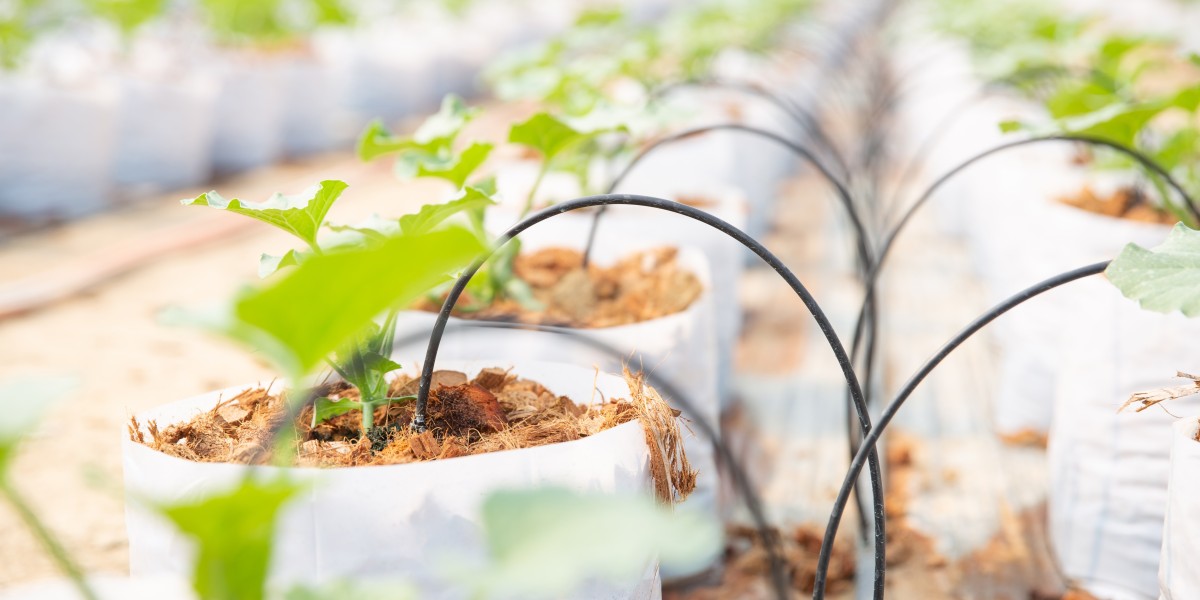
Many observers wonder how this system actually works in a real field. The answer lies in targeted delivery. Farm workers place specialized emitters right near the plant base. Water drips slowly and consistently into the soil. This prevents damaging surface runoff. It also stops water from evaporating into the hot afternoon air. The agricultural sector considers drip irrigation technology a total game-changer. It transforms dry, dusty lands into lush, highly productive fields. Experts praise this method because it works with nature rather than against it. Roots receive moisture at a steady, manageable pace. This steady pace prevents shock and promotes deep, healthy root systems.
Why Farmers Make The Switch
Farm managers always look closely at the bottom line. They need agricultural systems that provide clear, measurable returns on investment. When assessing the benefits of drip irrigation, the financial numbers speak for themselves. Global agricultural researchers note that precision watering can increase crop yields by 20 to 90 percent. At the same time, it reduces total water usage by up to 50 percent compared to traditional surface methods. These statistics drive massive adoption rates across both small family farms and massive commercial operations. Profitability improves when resource waste drops.
Exploring The True Advantages
Growers see lower water bills almost immediately after installation. Fertilizer efficiency also skyrockets. Operators can mix liquid nutrients directly into the main water supply. This method delivers food straight to the hungry plant roots. Weed growth drops significantly across the entire field. Weeds simply cannot survive when the system only waters the actual crop plants. Plant disease rates fall drastically because the leaves stay completely dry. Fungi and mold thrive on wet foliage, so dry leaves mean healthier crops. These combined benefits of drip irrigation create stronger plants, larger harvests, and much higher profit margins. Farm managers can predict their seasonal costs with much greater accuracy.
The Role Of Reliable Equipment
A precision system needs steady, unwavering pressure to function correctly. Uneven pressure causes some plants to drown while others dry out completely. The network must push water through hundreds or even thousands of tiny emitters evenly. The entire setup relies on this fundamental balance. Gravity alone rarely provides enough force for large commercial fields.
Maintaining Consistent Flow
This is where high-quality agricultural hardware enters the picture. A robust water pressure pump forms the beating heart of the entire operation. It forces water through the main lines, down the secondary tubes, and out to the furthest emitters. Without strong, reliable pressure, the entire watering network fails. Experts highly recommend sizing the equipment carefully before installation. Installers must match the mechanical power to the specific field size and any local elevation changes. The engineering team at OK Electrical Industry understands this complex balance perfectly. They design heavy-duty equipment that keeps water moving steadily across vast acreage. A perfectly calibrated water pressure pump guarantees that the last plant in the farthest row gets exactly as much water as the very first plant.
Real World Impact And Statistics
Agricultural scientists recently tested drip irrigation technology in extremely arid regions. Farms using precision delivery cut their energy costs by over 30 percent in a single season. They pumped much less water overall, saving massive amounts of electricity. Crop uniformity improved drastically across all test fields. Every single plant grew at the exact same rate. This uniformity makes mechanical harvesting much easier and significantly more profitable. Industry experts suggest that farms adopting these precise methods recover their initial equipment investment within just two to three growing seasons. High-quality hardware from OK Electrical Industry helps modern growers achieve these consistent, profitable results year after year. The future of farming depends on this kind of smart, efficient resource management.
Frequently Asked Questions
How Much Water Do Precision Watering Systems Actually Save?
Precision systems save between 30 and 50 percent of water compared to traditional sprinkler methods. The water goes straight to the roots, eliminating evaporation waste entirely. This efficiency protects local water tables.
Can Farmers Use Liquid Fertilizer With These Modern Systems?
Yes, they absolutely can. The agricultural industry calls this process fertigation. It saves labor time and ensures plants absorb essential nutrients quickly and efficiently.
Does This Method Work For Every Single Type Of Crop?
It works exceptionally well for row crops, vineyards, and fruit orchards. However, farmers rarely use it for densely planted fields like wheat or traditional rice paddies.
How Long Do These Advanced Watering Networks Last?
A well-maintained system easily lasts for ten to fifteen years in the field. Operators just need to clean the filters regularly and flush the main lines to prevent mineral buildup. Proper maintenance extends the lifespan significantly.
Will Changing Watering Methods Reduce Field Weed Growth?
Yes, it will significantly reduce weed growth. The emitters only apply moisture directly to the crop roots. They leave the surrounding soil completely dry and inhospitable to invasive weeds.