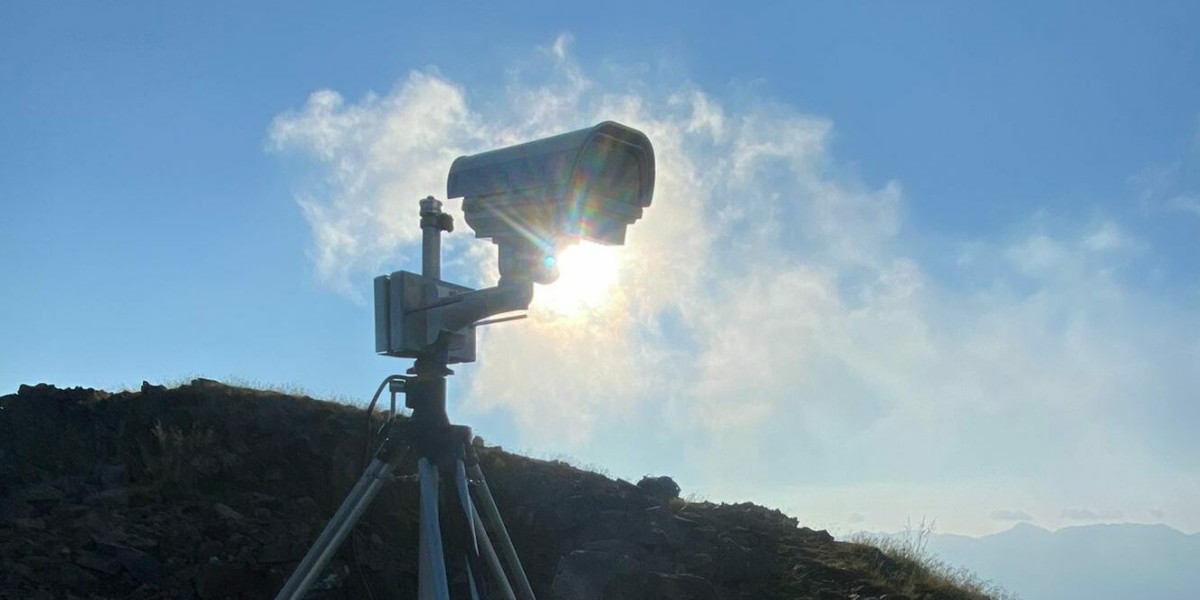

Introduction
Landslides are among the most unpredictable natural hazards, often occurring with little warning and causing severe damage to infrastructure, transportation networks, industrial facilities, and nearby communities. Climate change, intense rainfall, earthquakes, and human activities have increased the frequency and complexity of landslide events, making continuous monitoring more important than ever.
Smart remote landslide monitoring combines advanced sensing technologies, Industrial IoT (IIoT), cloud computing, and intelligent analytics to provide real-time information about slope conditions. These solutions enable organizations to detect early warning signs, respond quickly to changing environmental conditions, and reduce the impact of landslide-related disasters.
Why Traditional Monitoring Is No Longer Enough
Manual inspections and periodic surveys remain valuable, but they cannot provide continuous visibility into rapidly changing slope conditions. A slope that appears stable during an inspection may become unstable within hours due to heavy rainfall or groundwater changes.
Smart monitoring overcomes these limitations by providing:
Continuous 24/7 monitoring
Automated data collection
Real-time hazard detection
Remote access to monitoring information
Faster emergency response
Reduced dependence on manual inspections
This proactive approach helps organizations identify problems before they become emergencies.
Core Components of Smart Remote Monitoring
Modern monitoring systems combine multiple technologies to deliver a comprehensive understanding of slope stability.
Ground Displacement Sensors
High-precision displacement sensors measure horizontal and vertical movement within slopes. Even small changes can indicate developing instability and trigger early warnings.
Rainfall Monitoring
Continuous rainfall monitoring helps organizations understand how precipitation affects slope conditions and supports more accurate hazard assessments.
Soil Moisture Monitoring
Water saturation significantly influences soil strength. Monitoring soil moisture provides valuable insight into changing ground conditions.
Groundwater Monitoring
Groundwater pressure affects slope stability and is a critical parameter for evaluating landslide risk.
Weather Monitoring
Temperature, humidity, atmospheric pressure, and wind conditions provide additional environmental data that improve overall risk analysis.
Industrial IoT Connectivity
Reliable communication is essential for remote monitoring applications. Industrial IoT technologies allow monitoring devices to securely transmit data from isolated locations to centralized platforms.
Communication options include:
GSM communication
LTE and 4G networks
Satellite communication
Low-power industrial wireless networks
These technologies ensure uninterrupted monitoring across challenging environments.
Cloud-Based Monitoring Platform
Monitoring data is stored in a secure cloud platform where users can access information from anywhere.
Platform features include:
Live dashboards
Historical data analysis
Trend visualization
Automated reporting
Multi-site management
Secure remote access
Cloud technology simplifies data management while enabling faster operational decisions.
Automated Early Warning Systems
One of the most valuable features of smart monitoring is its ability to generate instant alerts whenever monitored values exceed predefined thresholds.
Notifications can be delivered through:
SMS messages
Email alerts
Mobile applications
Integration with emergency response systems
These early warnings provide organizations with valuable time to implement preventive measures and reduce potential damage.
Applications Across Industries
Transportation Infrastructure
Monitor highways, railways, bridges, and tunnels located in landslide-prone regions to improve public safety and reduce service disruptions.
Mining Operations
Track slope stability around excavation sites, waste dumps, and tailings storage facilities to improve operational reliability.
Construction Projects
Monitor unstable terrain throughout construction projects to minimize geotechnical risks.
Utilities and Energy
Protect dams, reservoirs, pipelines, hydropower stations, and transmission infrastructure through continuous environmental monitoring.
Government and Disaster Management
Support public safety programs with reliable environmental intelligence and automated early warning capabilities.
Benefits of Smart Remote Landslide Monitoring
Organizations implementing smart monitoring solutions can achieve:
Early detection of slope instability
Improved worker and community safety
Reduced infrastructure damage
Lower maintenance and inspection costs
Faster emergency response
Better regulatory compliance
Improved operational efficiency
Long-term infrastructure resilience
These benefits make remote monitoring an essential component of modern risk management strategies.
The Future of Intelligent Monitoring
Artificial Intelligence (AI), predictive analytics, machine learning, and digital twin technologies are transforming landslide monitoring into a predictive discipline. These innovations analyze historical and live data to forecast potential failures, helping organizations make more informed decisions and optimize maintenance planning.
As technology continues to advance, smart remote monitoring will play an even greater role in protecting infrastructure and communities from landslide hazards.
Conclusion
The growing complexity of environmental risks requires organizations to adopt smarter, more reliable monitoring solutions. Continuous observation, accurate data collection, and automated alerts enable proactive management of slope stability and reduce the likelihood of catastrophic failures.
Smart remote landslide monitoring combines industrial-grade sensors, Industrial IoT connectivity, cloud-based analytics, and intelligent early warning systems to deliver comprehensive monitoring solutions. By providing real-time insights into changing ground conditions, these technologies help organizations improve safety, protect critical infrastructure, and build long-term resilience against landslide risks.