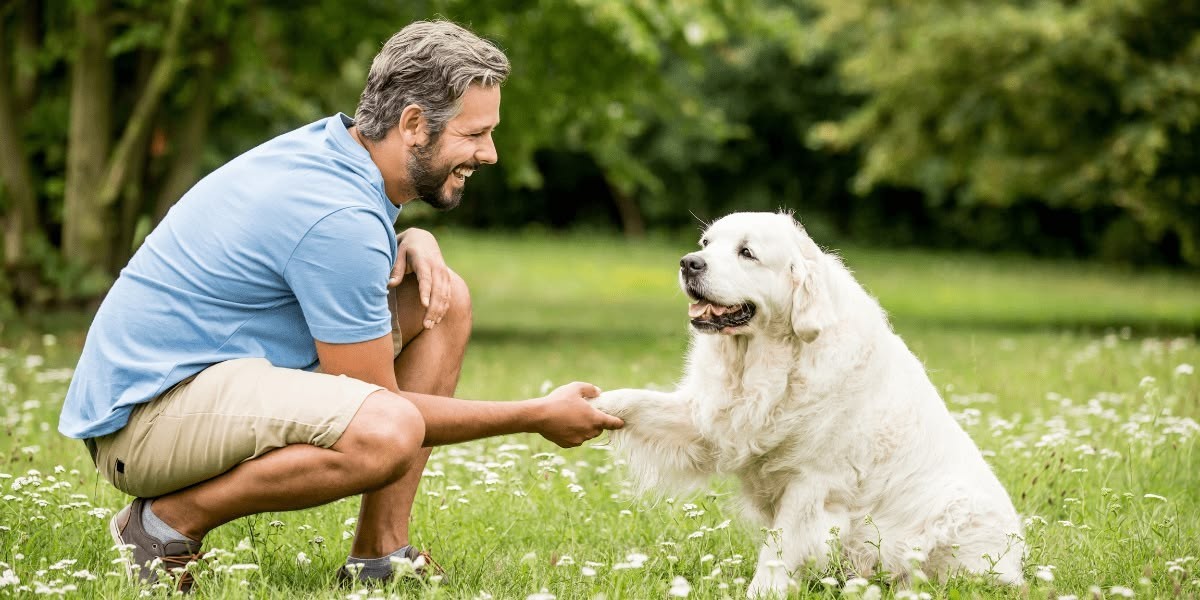

Dog Care Tips for Beginners: Smart Pet Care Guide Today
Introduction
Bringing a dog into your home is one of the most rewarding experiences you can have. Dogs provide companionship, loyalty, and endless moments of joy. However, owning a dog also comes with responsibilities that every new pet parent should understand. From nutrition and exercise to grooming and healthcare, proper care helps your furry friend live a long, happy life.
For many Americans, welcoming a dog into the family can feel exciting but overwhelming. With so much information available online, it can be difficult to know where to start. This guide simplifies the process by providing practical advice that helps new dog owners build confidence and create a healthy environment for their pets.
Whether you've adopted a rescue dog or purchased a puppy from a breeder, understanding the fundamentals of responsible pet ownership is essential. This article covers everything you need to know, including feeding, exercise, training, health care, and creating a strong bond with your dog.
Understanding Your Dog's Basic Needs
Every dog requires a few essential things to thrive. These include nutritious food, fresh water, regular exercise, mental stimulation, healthcare, and affection. Meeting these needs consistently creates a strong foundation for your dog's overall well-being.
A dog's requirements may vary depending on breed, age, size, and activity level. Larger breeds often need more exercise, while puppies require more frequent meals and training sessions. Taking time to understand your dog's unique needs helps prevent behavioral and health issues later on.
Creating a comfortable living space is equally important. Your dog should have a dedicated sleeping area, access to clean water at all times, and a safe environment free from hazards. Establishing routines early helps dogs feel secure and reduces anxiety.
Choosing the Right Nutrition for Your Dog
Proper nutrition is one of the most important aspects of dog health and wellness. High-quality dog food provides the nutrients necessary for growth, energy, immune support, and overall health.
When selecting dog food, look for products that list real meat as the primary ingredient. Avoid foods packed with unnecessary fillers, artificial preservatives, and excessive additives. Reading ingredient labels can help you make informed decisions.
Puppies, adult dogs, and senior dogs have different dietary requirements. Feeding age-appropriate food ensures your dog receives the correct balance of nutrients. Consult your veterinarian if you're unsure which food is best for your pet.
Treats should be given in moderation. While treats are useful for training and rewards, excessive amounts can contribute to weight gain and other health concerns.
Creating a Daily Dog Care Routine
Consistency is one of the keys to successful pet ownership. A structured daily dog care routine helps your dog understand expectations and reduces stress.
A typical routine may include:
Morning feeding
Bathroom break
Walk or exercise session
Playtime
Training activities
Evening meal
Relaxation and bonding time
Dogs thrive when they know what to expect. Consistent schedules make house training easier and help manage behavioral issues. Even busy owners can establish routines that support their dog's physical and emotional needs.
Regular exercise should be part of every dog's schedule. Daily walks not only support physical health but also provide valuable mental stimulation. Exploring new environments allows dogs to engage their senses and stay mentally active.
Essential Grooming Practices for Healthy Dogs
Grooming plays a major role in maintaining your dog's comfort and health. The frequency of grooming depends on your dog's breed, coat type, and lifestyle.
Regular brushing helps remove loose fur, prevent matting, and distribute natural oils throughout the coat. Long-haired breeds may require daily brushing, while short-haired breeds often need less frequent maintenance.
Bathing should be done as needed using dog-specific shampoos. Overbathing can strip natural oils from the skin and cause irritation.
Additional grooming tasks include:
Nail trimming
Ear cleaning
Dental care
Coat inspections
Paw checks
Dental health is often overlooked by first-time owners. Regular tooth brushing can reduce plaque buildup and lower the risk of gum disease.
Training and Socialization for Long-Term Success
Training helps dogs become well-behaved family members while strengthening the relationship between owner and pet. Positive reinforcement techniques are generally the most effective and humane approach.
Rewarding good behavior with praise, treats, or toys encourages dogs to repeat desired actions. Consistency is essential when teaching commands and house rules.
Socialization is equally important. Introducing your dog to various people, pets, environments, and situations helps build confidence and reduces fear-based behaviors.
Many experts recommend enrolling in puppy classes or obedience programs. These settings provide structured learning opportunities and allow dogs to develop important social skills.
Common commands every dog should learn include:
Sit
Stay
Come
Leave it
Down
Heel
Patience and repetition are key to successful training outcomes.
Building Confidence as a New Dog Owner
Many pet parents spend hours researching Dog care tips for beginners because they want to ensure they're making the right decisions for their furry companions. Learning through experience is a natural part of the journey, and every responsible owner develops confidence over time.
A reliable basic dog care guide can help simplify daily responsibilities while reducing uncertainty. Focus on building healthy habits, maintaining regular veterinary visits, and creating positive experiences for your dog.
Among the most valuable first-time dog owner tips is understanding that perfection isn't required. Dogs are adaptable and forgiving. What matters most is consistency, patience, and a genuine commitment to their well-being.
Seeking support from trusted professionals, trainers, and reputable pet care resources can make the learning process much easier. Many owners also benefit from guidance offered by trusted pet-focused brands such as Pet Soul Care, which emphasizes responsible ownership and long-term pet wellness.
Preventive Healthcare and Veterinary Visits
Preventive healthcare helps identify potential issues before they become serious problems. Regular veterinary visits are a critical part of responsible dog ownership.
Your veterinarian will monitor your dog's overall health, administer vaccinations, recommend parasite prevention, and provide guidance specific to your pet's needs.
Important preventive care measures include:
Vaccinations
Flea prevention
Tick prevention
Heartworm prevention
Routine wellness exams
Dental evaluations
Monitoring your dog's behavior can also provide early clues about health concerns. Changes in appetite, energy levels, drinking habits, or bathroom routines may indicate underlying issues that require veterinary attention.
Maintaining accurate medical records ensures your dog receives appropriate care throughout different life stages.
Exercise and Mental Stimulation Matter
Physical activity supports healthy weight management, cardiovascular health, and muscle development. However, mental stimulation is equally important for a dog's overall wellness.
Bored dogs often develop undesirable behaviors such as excessive barking, chewing, digging, or destructive habits. Providing enrichment activities keeps your dog engaged and satisfied.
Examples of mental stimulation include:
Puzzle toys
Scent games
Training sessions
Interactive feeders
Hide-and-seek activities
Different breeds have varying energy levels. Working breeds typically require more physical and mental challenges compared to less active companion breeds.
Balancing exercise and enrichment contributes significantly to dog health and wellness throughout all life stages.
Creating a Safe Home Environment
A safe home protects your dog from preventable accidents and injuries. New dog owners should evaluate their homes from a pet's perspective.
Potential hazards include:
Toxic plants
Cleaning chemicals
Electrical cords
Small objects
Human medications
Open trash containers
Secure fencing is essential for dogs that spend time outdoors. Identification tags and microchipping provide additional protection if your dog becomes lost.
Safe transportation is another important consideration. Using a dog seat belt, travel crate, or vehicle restraint system helps reduce risks during car rides.
Preparing for emergencies by keeping a pet first-aid kit and emergency contacts accessible can provide peace of mind.
Managing Costs Without Sacrificing Quality Care
Many American pet owners are budget-conscious, especially when facing rising living expenses. Fortunately, quality care does not always require excessive spending.
Smart ways to manage costs include:
Buying food in bulk
Scheduling preventive veterinary visits
Investing in durable toys
Maintaining regular grooming
Using preventive healthcare measures
Preventive care often costs less than treating serious illnesses later. Staying proactive can help reduce unexpected veterinary expenses.
Comparing services and researching trusted providers allows owners to find affordable solutions without compromising their dog's well-being.
Strengthening the Human-Dog Bond
One of the most rewarding aspects of dog ownership is the bond that develops over time. Dogs thrive when they feel loved, secure, and included in family activities.
Simple ways to strengthen your connection include:
Daily walks
Play sessions
Training exercises
Positive reinforcement
Quality time together
Building trust takes consistency and patience. Dogs that feel safe and supported are more likely to exhibit positive behaviors and form strong emotional attachments.
The relationship between a dog and owner often becomes one of life's most meaningful connections, bringing companionship, comfort, and happiness for years to come.
Conclusion
Becoming a dog owner is a rewarding journey filled with learning opportunities and memorable experiences. By focusing on nutrition, exercise, training, grooming, preventive healthcare, and emotional well-being, you can create a healthy and fulfilling life for your pet.
Following a consistent routine, seeking professional guidance when needed, and applying essential pet care advice will help you navigate the challenges of pet ownership with confidence. Whether you're raising a playful puppy or adopting an adult dog, the right approach can make a lasting difference.
With patience, dedication, and informed decision-making, you'll provide the care your dog deserves while enjoying the countless benefits of a loyal canine companion.