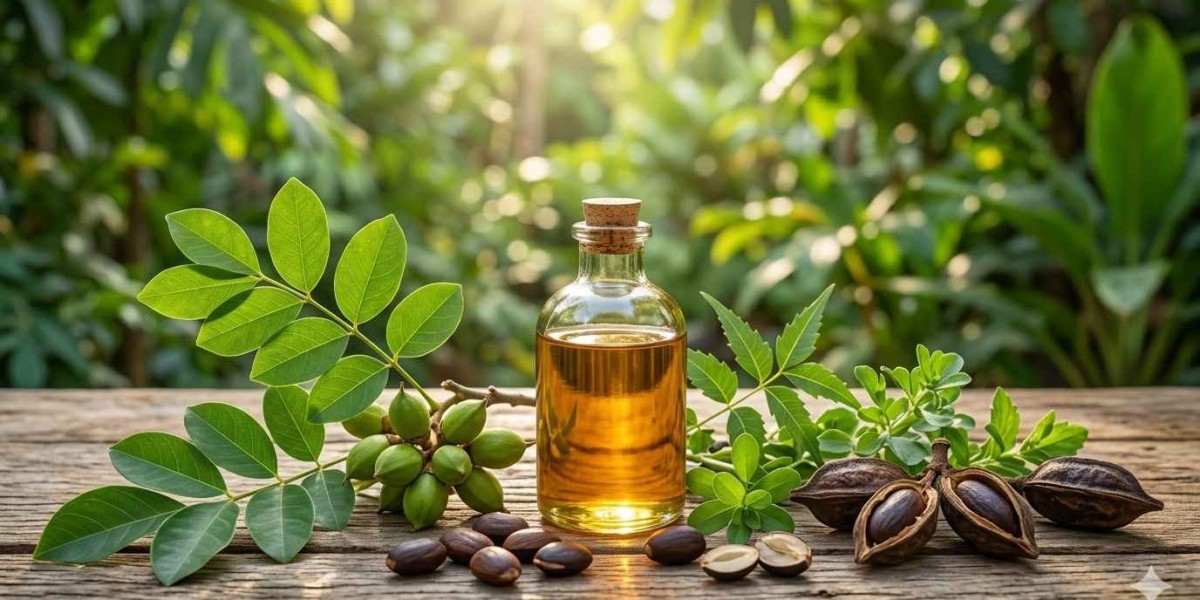

The Karanj tree has been an integral part of Ayurvedic traditions for centuries. Recognized for its versatility and deep connection to herbal wellness, this remarkable tree continues to be valued in modern Ayurvedic practices. From its leaves and flowers to its seeds and oil, every part of the Karanj tree has found a place in traditional herbal preparations. At Naturecares Ayurveda, we are dedicated to preserving the knowledge of Ayurveda by promoting authentic herbal ingredients and educating people about their traditional importance. Understanding the Karanj tree provides valuable insight into one of nature's most respected botanical resources.
Introduction to the Karanj Tree
The Karanj tree, scientifically known as Pongamia pinnata, is a fast-growing evergreen tree native to India and many tropical regions. It is admired for its broad canopy, attractive flowers, and hardy nature. Because of its ability to thrive in different climates and soil conditions, the tree has become a familiar sight across villages, farmlands, and roadsides.
For generations, communities have appreciated the Karanj tree not only for its botanical characteristics but also for its traditional role in Ayurvedic wellness.
Botanical Characteristics
The Karanj tree typically grows between 15 and 20 meters in height. It features dense green foliage, smooth bark, and clusters of white to pale pink flowers that bloom seasonally. After flowering, the tree produces seed pods containing seeds rich in natural oil.
Its strong root system allows the tree to tolerate drought conditions, making it suitable for cultivation in various parts of India.
Historical Importance in Ayurveda
Ayurvedic literature has mentioned Karanj as an important botanical ingredient for centuries. Traditional practitioners included different parts of the tree in numerous herbal formulations inspired by classical Ayurvedic principles.
Its long history demonstrates how Indian herbal traditions relied on locally available plants to support everyday wellness practices.
Even today, Karanj remains one of the well-recognized trees associated with Ayurvedic heritage.
Different Parts of the Karanj Tree
One of the unique features of the Karanj tree is that almost every part has traditional value.
Leaves
The fresh green leaves are commonly included in traditional herbal preparations and have long been associated with Ayurvedic wellness routines.
Seeds
The seeds are widely known because they are the primary source of Karanj Oil, one of the most popular botanical oils used in Ayurvedic formulations.
Flowers
The delicate flowers contribute to the botanical identity of the tree and have also been mentioned in traditional practices.
Bark
The bark has historically been included in various herbal combinations prepared according to Ayurvedic traditions.
Karanj Oil and Traditional Applications
Among all products obtained from the Karanj tree, Karanj Oil is perhaps the most recognized.
The oil is extracted from mature seeds using traditional or modern processing methods. It is commonly included in:
Herbal massage oils
Botanical skincare products
Ayurvedic soaps
Hair care formulations
Traditional wellness blends
Its natural origin makes it a preferred ingredient for those seeking plant-based personal care products.
Why the Karanj Tree Remains Relevant Today
Interest in traditional herbs has increased significantly as more people choose products inspired by nature.
The Karanj tree continues to attract attention because it represents:
Rich Ayurvedic heritage
Botanical diversity
Sustainable cultivation
Traditional herbal knowledge
Natural plant-based ingredients
Its continued presence in herbal formulations reflects its enduring importance.
Environmental Importance
Beyond Ayurveda, the Karanj tree contributes positively to the environment.
It helps improve green cover and supports biodiversity in many regions. Because it adapts well to different soil conditions, it is frequently planted in reforestation and landscape development projects.
Its shade and resilience make it an excellent tree for rural and urban environments alike.
Modern Herbal Products Containing Karanj
Today, Karanj is incorporated into a variety of herbal wellness products, including:
Herbal body oils
Ayurvedic soaps
Botanical creams
Hair oils
Personal care products
Traditional massage oils
These formulations combine traditional knowledge with modern manufacturing standards.
Selecting Authentic Herbal Products
When purchasing products containing Karanj, consider the following:
Choose trusted Ayurvedic manufacturers.
Read the ingredient list carefully.
Check product quality standards.
Buy from reputable sources.
Follow storage instructions provided on the packaging.
These simple steps help ensure product quality and authenticity.
Naturecares Ayurveda
At Naturecares Ayurveda, we are inspired by India's rich Ayurvedic heritage. Our focus is on providing herbal products made with carefully selected botanical ingredients while sharing reliable educational content about traditional wellness practices.
We believe that understanding herbs like Karanj helps people appreciate the timeless wisdom of Ayurveda and encourages a balanced approach to natural living.
Conclusion
The Karanj tree remains one of the most respected botanical resources in Ayurvedic traditions. Its long history, diverse applications, and continued use in herbal products highlight its importance in India's natural wellness heritage.
As interest in plant-based lifestyles continues to grow, the Karanj tree serves as a reminder of Ayurveda's deep connection with nature. Through quality herbal formulations and authentic educational resources, Naturecares Ayurveda is proud to celebrate this remarkable botanical legacy and help preserve it for future generations.