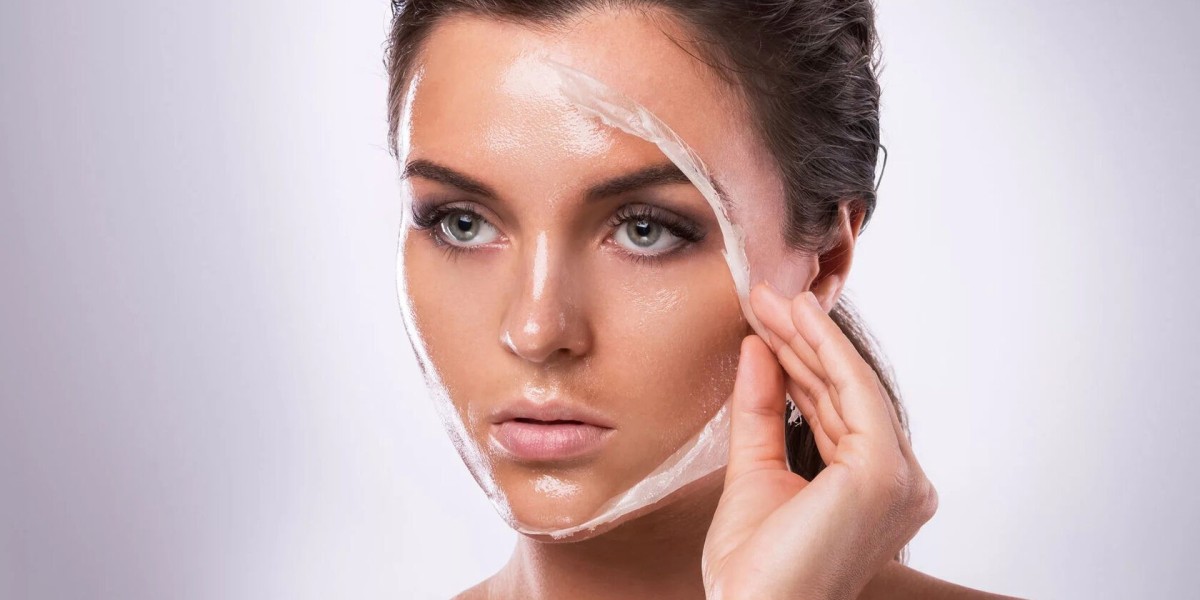

Healthy, glowing skin is something many people strive for, but factors such as sun exposure, aging, acne, and environmental pollution can affect the skin’s appearance over time. Modern aesthetic treatments offer effective ways to improve skin texture and tone, and among the most popular options are Chemical Peels In Islamabad. These treatments are designed to exfoliate the skin, encourage cell renewal, and reveal a fresher, smoother complexion underneath. Understanding how chemical peels work can help individuals make informed decisions about their skincare journey and determine whether this treatment aligns with their aesthetic goals.
Understanding Chemical Peels
Chemical peels are non-surgical skin resurfacing treatments that use specially formulated chemical solutions to remove damaged outer layers of the skin. The treatment encourages the natural regeneration process, allowing healthier and newer skin cells to emerge.
Depending on the skin concern being treated, chemical peels can vary in strength and depth. Some target only the surface layer of the skin, while others penetrate deeper to address more significant issues such as acne scars, pigmentation, and signs of aging.
The primary goal of a chemical peel is to improve the overall appearance and health of the skin by promoting controlled exfoliation and stimulating collagen production.
How Chemical Peels Work
The process begins with the application of a chemical solution to the skin. This solution causes the outermost layers of damaged skin to gradually peel away over several days. As the old skin sheds, new skin cells replace it, creating a smoother and more even complexion.
The controlled exfoliation process triggers the body's natural healing response. During this response, collagen and elastin production may increase, helping improve skin firmness and texture.
The depth of penetration depends on the type of peel used. Superficial peels focus on the epidermis, while medium and deeper peels reach additional skin layers to produce more dramatic improvements.
Types of Chemical Peels
Superficial Peels
Superficial peels are the mildest option available. They typically use gentle acids to remove dead skin cells from the skin's surface. These peels are commonly chosen for mild discoloration, rough texture, and dull skin.
Because they are less invasive, recovery time is generally minimal, making them suitable for people seeking gradual skin enhancement.
Medium Peels
Medium-depth peels penetrate deeper into the skin and are often used to address pigmentation issues, acne scars, and fine lines. They produce more noticeable results than superficial peels and may require a slightly longer recovery period.
Deep Peels
Deep chemical peels reach the lower layers of the skin and are intended for more advanced skin concerns. These peels can significantly improve deep wrinkles, severe sun damage, and prominent scarring. Due to their intensity, they require careful evaluation and longer healing times.
Benefits of Chemical Peels
Chemical peels offer multiple benefits that contribute to healthier-looking skin. One of the most recognized advantages is improved skin texture. By removing dead and damaged skin cells, the treatment creates a smoother and softer surface.
Another major benefit is a brighter complexion. Many individuals notice a reduction in uneven skin tone, dark spots, and pigmentation after treatment.
Chemical peels can also help reduce acne breakouts by unclogging pores and minimizing excess oil buildup. For those dealing with acne scars, repeated treatments may gradually improve skin smoothness and appearance.
Fine lines and early signs of aging may become less noticeable as collagen production increases and skin renewal accelerates. The result is a fresher, more youthful-looking appearance.
Who Can Benefit from Chemical Peels?
Chemical peels are suitable for individuals experiencing various skin concerns, including acne, hyperpigmentation, sun damage, uneven skin texture, and mild signs of aging.
People looking to rejuvenate tired or dull-looking skin may also benefit from the treatment. However, suitability depends on skin type, current skin condition, and individual goals.
A professional skin assessment is important to determine the most appropriate peel strength and treatment plan for achieving desired outcomes.
What to Expect During Treatment
Before the procedure begins, the skin is thoroughly cleansed to remove oils and impurities. The chemical solution is then applied evenly across the treatment area.
Some individuals may experience a mild tingling or warming sensation during the application process. The duration of the treatment depends on the type of peel being performed and the condition being addressed.
After treatment, the skin may appear slightly red or sensitive. Peeling generally begins within a few days as damaged skin cells shed naturally.
Recovery and Aftercare
Proper aftercare plays a vital role in achieving optimal results. The skin should be kept moisturized and protected from excessive sun exposure during the healing phase.
Using gentle skincare products and avoiding harsh exfoliants can help support the recovery process. Sunscreen is particularly important because newly revealed skin is more sensitive to ultraviolet rays.
Following recommended aftercare instructions can improve comfort, reduce irritation, and enhance treatment outcomes.
Frequently Asked Questions
Are chemical peels safe for all skin types?
Chemical peels can be suitable for many skin types when properly selected and customized. A professional evaluation helps determine the safest option based on individual skin characteristics.
How long does it take to see results?
Many people notice brighter and smoother skin shortly after the peeling process is complete. Results often continue to improve as new skin cells develop.
Do chemical peels hurt?
Most individuals experience only mild tingling, warmth, or slight discomfort during treatment. The sensation depends on the strength of the peel being used.
Can chemical peels help with acne scars?
Yes, chemical peels can improve the appearance of certain acne scars by encouraging skin renewal and stimulating collagen production over time.
How often can chemical peels be performed?
The recommended frequency varies depending on the type of peel and the condition being treated. Treatment intervals are typically determined based on skin response and desired results.
Final Thoughts
Chemical peels remain one of the most effective non-surgical skin rejuvenation treatments available today. By removing damaged skin layers and stimulating natural renewal, they can help address a wide range of concerns, including acne, pigmentation, rough texture, and signs of aging. Whether someone is seeking subtle skin refreshment or more noticeable improvement, Chemical Peels In Islamabad continue to be a trusted option for achieving smoother, healthier, and more radiant-looking skin through a scientifically proven approach to skin resurfacing.