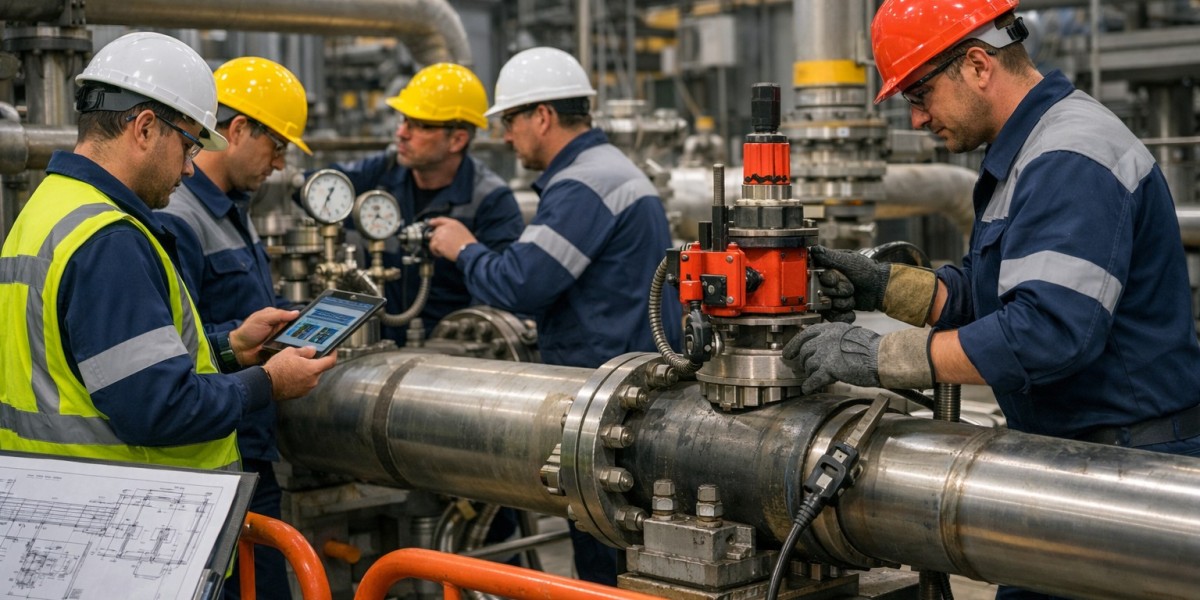

Many industrial systems operate continuously and cannot easily be stopped without affecting production, services, or operations. In such situations, Hot tapping services in Rak are often considered when modifications, inspections, or connections need to be made to an active pipeline or system. Hot tapping allows work to be performed without interrupting the normal flow inside a pipe, making it a practical solution in many industries.
Understanding when hot tapping is a better option than a complete shutdown can help facility managers, engineers, and maintenance teams make informed decisions.
Understanding Hot Tapping
Hot tapping is a process used to create a new connection to an existing pipeline, tank, or pressure vessel while it remains in operation. A special fitting and valve are attached to the system, and a cutting tool creates an opening without stopping the flow.
This method is commonly used in industries such as oil and gas, water treatment, manufacturing, chemical processing, and district cooling systems. It allows maintenance or expansion work to be completed while keeping operations running.
The Challenges of System Shutdowns
A complete shutdown may seem like the safest option for maintenance work, but it often comes with several challenges.
First, shutting down a system can lead to production delays. In facilities that operate around the clock, even a short interruption can affect schedules and output.
Second, restarting equipment after a shutdown may require additional time and resources. Some systems need detailed inspections, testing, and calibration before they can return to normal operation.
Finally, shutdowns may impact customers or connected facilities that depend on a continuous supply of water, gas, cooling, or other services.
Because of these challenges, alternative methods such as hot tapping are often evaluated.
When Continuous Operation Is Important
One of the most common reasons to choose hot tapping is the need to maintain continuous operation.
Many facilities cannot afford to stop their systems because production targets, service commitments, or operational requirements depend on uninterrupted performance.
For example, a manufacturing plant may need to add a branch connection to an existing pipeline while production continues. Instead of stopping the entire system, hot tapping can allow the modification to be completed with minimal disruption.
In these situations, maintaining normal operations becomes a major advantage.
Expanding Existing Pipeline Networks
Pipeline systems often need to grow as facilities expand. New equipment, additional processing units, or upgraded infrastructure may require new pipeline connections.
Hot tapping provides a way to connect new sections without draining or shutting down the existing network. This can save significant time compared to traditional shutdown methods.
By avoiding a complete interruption, facilities can continue serving customers and maintaining productivity while expansion work takes place.
Reducing Operational Downtime
Downtime can be costly in many industries. Lost production hours, delayed schedules, and additional labor costs can quickly add up.
Hot tapping helps reduce downtime by allowing work to be performed while the system remains active. Maintenance teams can complete necessary modifications without waiting for a planned shutdown period.
This makes hot tapping especially useful for facilities that operate continuously throughout the year.
Supporting Essential Services
Some systems provide essential services that cannot be interrupted easily. Water distribution networks, cooling systems, and utility pipelines often serve large numbers of users.
Shutting down these systems may affect businesses, facilities, or communities that rely on them every day.
Hot tapping offers a practical method for making modifications while keeping these important services available. This helps maintain reliability and reduce inconvenience for users.
Safety Planning and Risk Assessment
Although hot tapping can offer many advantages, it requires careful planning and evaluation. Before any work begins, engineers must assess the condition of the pipeline, operating pressure, material type, and other important factors.
A detailed risk assessment helps determine whether hot tapping is suitable for a specific application. Proper procedures, equipment, and trained personnel are essential for safe execution.
When these requirements are followed, hot tapping can be completed efficiently while maintaining system integrity.
Situations Where Shutdown May Still Be Necessary
Hot tapping is not always the best choice. Some systems may have conditions that make a shutdown more appropriate.
For example, pipelines with severe damage, excessive corrosion, or unsuitable operating conditions may require a complete shutdown for inspection and repair.
The decision depends on technical evaluations, safety requirements, and operational goals. Each project should be assessed individually to determine the most suitable approach.
Choosing the Right Method for the Project
Selecting between hot tapping and a shutdown depends on several factors, including system conditions, project requirements, operational priorities, and safety considerations.
Facilities that need uninterrupted service often find that hot tapping provides a practical solution for modifications and expansions. At the same time, careful planning remains essential to ensure safe and successful results.
By understanding the advantages and limitations of each method, organizations can make better decisions when planning maintenance and infrastructure projects. For many industrial applications, Hot tapping services in Rak provide an effective way to perform necessary work while keeping systems operational.