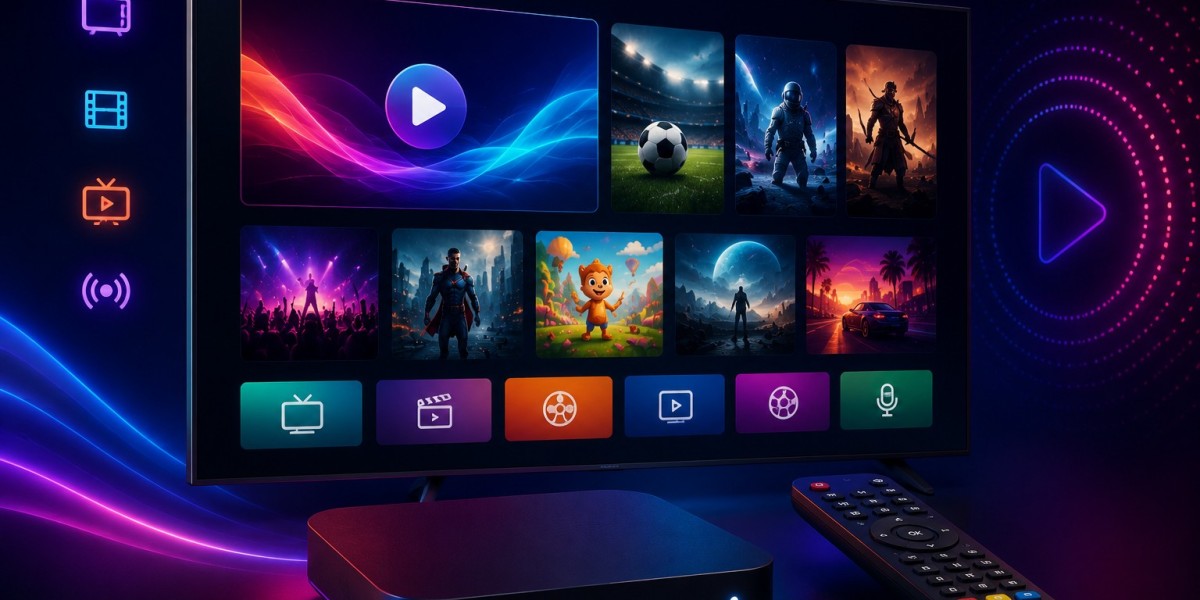

Television has undergone remarkable changes over the past two decades. What was once a medium built around fixed schedules and traditional broadcasting is now evolving into a highly flexible and personalized experience. Advances in internet connectivity, streaming technology, and consumer preferences continue to influence how audiences access and enjoy content.
As viewers demand greater convenience and control, new trends are emerging that are reshaping the future of television. These developments are not only changing how content is delivered but also redefining what audiences expect from their entertainment experience.
On-Demand Viewing Continues to Grow
One of the most significant changes in television consumption is the rise of on-demand content.
Rather than waiting for programs to air at specific times, viewers increasingly prefer the ability to watch content whenever it suits them.
This trend is driven by:
- Busy lifestyles
- Flexible schedules
- Increased content availability
- Greater user control
As a result, on-demand viewing is expected to remain a major force in the entertainment industry for years to come.
Multi-Device Access Is Becoming Standard
Modern audiences no longer consume content exclusively on television screens.
Many viewers regularly switch between:
- Smart TVs
- Smartphones
- Tablets
- Laptops
- Streaming devices
This flexibility allows entertainment to fit seamlessly into daily routines and has become a standard expectation for modern consumers.
The future of television will likely continue emphasizing device compatibility and viewing convenience.
Personalization Is Improving User Experiences
Today's audiences expect content recommendations that reflect their interests and viewing habits.
Streaming platforms increasingly use advanced algorithms to provide:
- Personalized suggestions
- Curated watchlists
- Customized user profiles
- Smarter content discovery
Services such as Netflix and YouTube helped establish these expectations and continue influencing industry standards.
Personalization is expected to become even more sophisticated as technology evolves.
Global Content Is Reaching Larger Audiences
The internet has made it easier for viewers to discover content from different countries and cultures.
Today, audiences can enjoy:
- International television series
- Global sports events
- Foreign-language programming
- Worldwide entertainment trends
This increased access is helping create a more connected entertainment ecosystem while expanding viewing choices for consumers.
Digital Entertainment Is Driving Industry Innovation
As viewer preferences continue shifting toward online platforms, digital entertainment solutions are becoming a major influence on the future of television.
The demand for greater flexibility, content variety, and accessibility is encouraging entertainment providers to develop more innovative viewing experiences. These changes are helping transform television into a service that revolves around user preferences rather than traditional broadcasting schedules.
Streaming Quality Continues to Improve
Technological advancements are making modern television experiences smoother and more immersive.
Many platforms now support:
- HD streaming
- Full HD playback
- 4K content
- Faster loading speeds
- Improved playback stability
As internet infrastructure improves globally, high-quality streaming will become even more accessible.
Live Content Remains Important
Although on-demand viewing is growing, live programming continues to play a major role in entertainment.
Viewers still value:
- Sports broadcasts
- Breaking news coverage
- Live events
- Special television programs
Future television services are expected to combine the flexibility of streaming with the immediacy of live content.
Artificial Intelligence Is Influencing Content Discovery
AI-powered recommendation systems are becoming increasingly important within streaming platforms.
These technologies help:
- Suggest relevant content
- Improve user engagement
- Reduce search time
- Enhance personalization
As AI capabilities continue developing, viewers can expect more accurate and tailored content recommendations.
The Future Will Focus on Viewer Control
One common theme connecting many streaming trends is the growing importance of user control.
Modern audiences want the freedom to:
- Choose what to watch
- Decide when to watch
- Access content from any device
- Personalize their entertainment experience
Television providers that support these expectations are likely to remain competitive as the industry evolves.
Final Thoughts
Streaming trends are reshaping the future of television by prioritizing flexibility, personalization, accessibility, and convenience. From on-demand viewing and multi-device compatibility to global content access and AI-driven recommendations, modern entertainment continues moving toward a more user-focused model.
As technology advances and audience expectations evolve, digital entertainment will play an increasingly important role in defining how people experience television in the years ahead.