
Starting an e-commerce business is one of the best ways to sell products today. People shop online because it is fast, simple, and easy to do from home. A good online store can help you reach customers in your town, across the UK, and even in other countries.
But success does not happen by chance. You need a clear plan, useful products, fair prices, safe payments, and good customer service. If you are new to online selling, do not worry. You can start small and grow step by step.
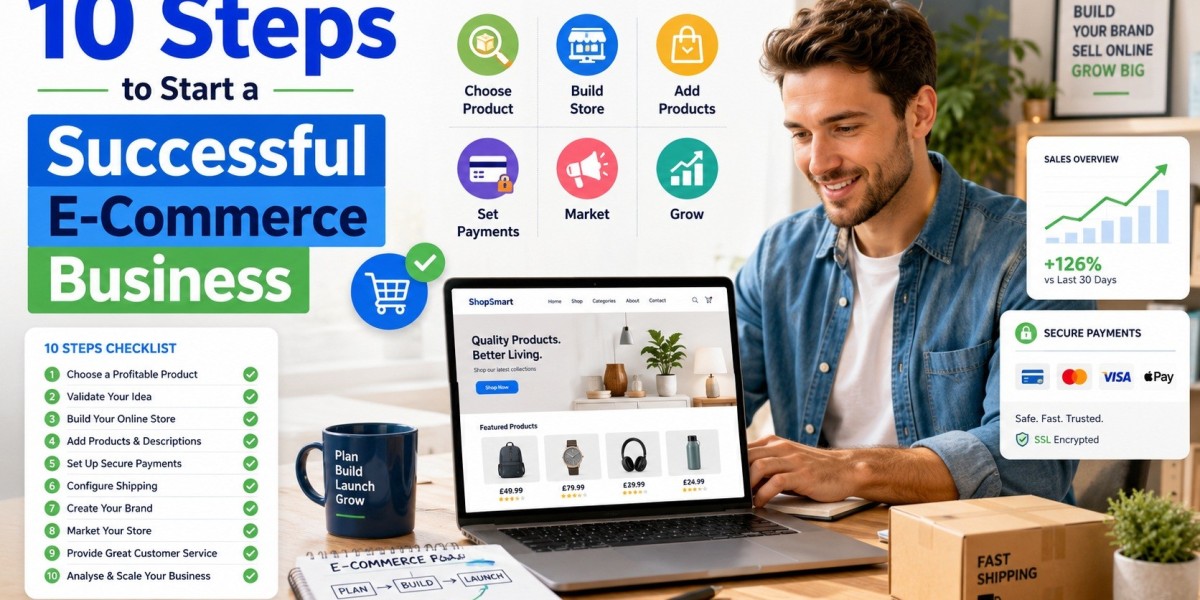
This guide explains 10 simple steps to help you start a successful e-commerce business.
1. Choose the Right Product
The first step is to decide what you want to sell. Your product should be something people need, want, or enjoy. It should also be something you understand well.
You may sell clothes, toys, board games, beauty items, handmade gifts, food products, home items, or digital goods. Before you choose, ask yourself: Will people buy this? Can I make a profit? Is it easy to store and send? Can I explain why it is useful?
Do not pick a product only because it looks popular. A popular product may also have a lot of competition. Try to find something with good demand and a clear reason for people to buy from you.
2. Research Your Market
Market research means learning about your customers and competitors. This helps you make better business choices.
Look at other online stores that sell similar products. Check their prices, product photos, reviews, delivery options, and website design. Notice what they do well and where they may be weak.
Also, think about your customers. Who are they? What do they care about? How much can they spend? What problems do they want to solve?
For example, if you sell board games, your customers may be families, schools, gift buyers, or game lovers. They may care about strong packaging, clear rules, fun design, and safe delivery.
Good research saves time and helps you avoid costly mistakes.
3. Write a Simple Business Plan
A business plan does not need to be long or difficult. It is a simple guide that shows what you want to do and how you will do it.
Your plan should include your product idea, target customers, prices, costs, delivery plan, marketing plan, and goals. It should also include how much money you need to start.
Write clear answers to simple questions. What will I sell? Who will buy it? Where will I sell it? How will I get customers? How much profit do I want to make?
A plan helps you stay focused. It also makes it easier to see what is working and what needs to change.
4. Choose a Strong Brand Name
Your brand name is the name people will remember. It should be short, clear, and easy to spell. A good name can make your store look more professional.
Try to choose a name that matches your products and style. If you sell fun family games, your name may sound friendly and playful. If you sell luxury gifts, your name may sound elegant and calm.
Before you decide, check if the domain name is free. A domain is your website address, such as yourstore.co.uk. Also check social media names, so your brand can look the same across different platforms.
Avoid names that are too close to another business. This can confuse customers and may cause legal problems.
5. Build Your Online Store
Your online store is where customers see your products and place orders. You can build your store using platforms like Shopify, WooCommerce, Wix, or Squarespace.
Choose a platform that is easy to use and fits your budget. Shopify is simple for many beginners. WooCommerce works well if you use WordPress. Wix and Squarespace are also good for small stores.
Your website should be clean, fast, and easy to use. Customers should find products quickly, read details clearly, and buy without confusion.
Important pages include home, shop, product pages, about us, contact, delivery, returns, and privacy policy. These pages help customers trust your business.
6. Create Great Product Pages
A product page should help people decide to buy. It needs clear photos, a simple title, useful details, price, delivery information, and a strong reason to choose the product.
Use photos from different angles. If size matters, show the product next to something familiar. If the product has special features, explain them in simple words.
Your description should be honest and helpful. Tell people what the product is, how it is used, who it is for, and why it is worth buying.
For board game sellers, strong and attractive packaging can make a big difference. Well-made
Custom board game boxes UK can protect the product and make it look more trusted when customers receive it.
7. Set the Right Prices
Your price should cover all your costs and still leave profit. Costs may include product making, buying stock, packaging, website fees, payment fees, delivery, advertising, and taxes.
Do not sell too cheaply just to get orders. Low prices may bring sales, but they can also hurt your profit. You need enough money to keep the business running.
Also, do not set prices too high unless your product offers strong value. Customers compare prices online very quickly.
A good price is fair for the customer and healthy for your business. Test your prices and watch how customers respond.
8. Plan Packaging and Delivery
Packaging and delivery are very important in e-commerce. Customers do not only remember the product. They also remember how it arrived.
Good packaging keeps items safe during shipping. It also makes your brand look professional. A neat box, clear label, and careful packing can make customers feel happy and respected.
If you sell in larger amounts to shops or game brands, custom board game boxes UK wholesale can be useful for keeping costs lower while still giving products a smart and secure look.
Delivery should be clear from the start. Tell customers the cost, time, and method. Offer tracking if possible. If there is a delay, update the customer quickly.
Clear delivery information builds trust and reduces complaints.
9. Market Your Business
Once your store is ready, you need to bring people to it. Marketing helps customers find your products.
Start with simple methods. Use social media, email, blog posts, Google search, and paid ads if your budget allows. You can also work with small influencers or ask happy customers for reviews.
Good marketing is not only about selling. It is also about helping. Share tips, guides, product uses, behind-the-scenes content, and customer stories.
For example, if you sell board games, you can post family game night ideas, gift guides, or short videos showing how the game is played.
Search engine optimisation, also called SEO, helps your website appear in Google search results. Use clear product names, helpful descriptions, and useful blog content.
10. Give Excellent Customer Service
Customer service can make or break your business. People are more likely to buy again when they feel valued.
Reply to messages quickly and politely. Answer questions clearly. Help customers with orders, returns, and delivery issues. Even if a customer is upset, stay calm and helpful.
Make your return policy easy to understand. Be honest about delivery times and stock levels. Do not promise what you cannot do.
Reviews are also important. Ask happy customers to leave feedback. Good reviews help new buyers trust your store.
Final Thoughts
Starting a successful e-commerce business takes planning, patience, and steady work. You need the right product, a clear website, fair prices, safe payments, good packaging, and strong customer care.
You do not need to do everything perfectly at the start. Begin with simple steps and improve as you learn. Listen to customers, check your results, and keep making your store better.
With the right plan and a helpful attitude, your e-commerce business can grow into a strong and trusted brand.