
Introduction
The Byodo-In Temple, located in the Valley of the Temples Memorial Park on Oʻahu, Hawaii, is one of the island’s most serene and culturally significant landmarks. Surrounded by lush Koʻolau mountain cliffs and tranquil gardens, the temple is a replica of a 950-year-old Buddhist temple in Uji, Japan. Although it is not an active place of worship with resident monks or daily religious ceremonies, it remains a sacred space dedicated to peace, reflection, and cultural appreciation.
Visitors from around the world come to admire its architecture, feed koi in its pond, ring the large sacred bell, and enjoy the quiet atmosphere. Because of its spiritual importance, appropriate dress is expected, even though the temple also welcomes tourists.
Understanding the Dress Code Philosophy
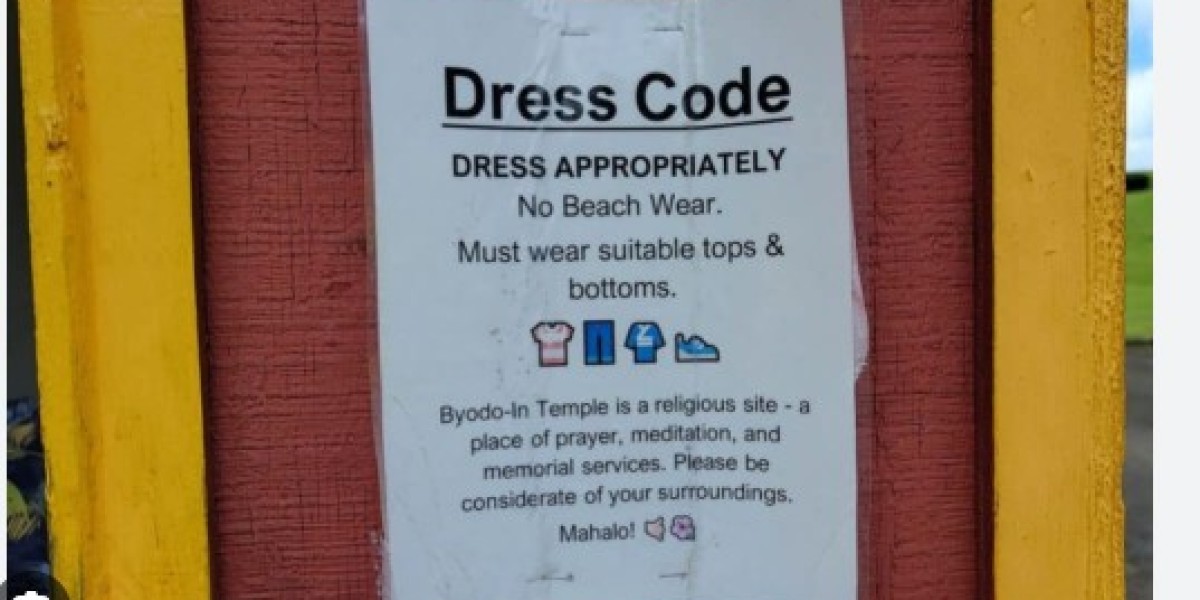
The Byodo-In Temple does not enforce a rigid, formal dress code like some religious institutions. Instead, it follows a principle-based approach centered on respect, modesty, and cultural sensitivity. This means visitors are not required to wear specific clothing, but they are expected to avoid attire that could be considered disrespectful or disruptive to the peaceful environment.
Since the temple is both a cultural site and a tourist attraction in Hawaii’s warm climate, its dress expectations are flexible. However, flexibility does not mean anything goes. The guiding idea is to dress in a way that honors the spiritual and reflective nature of the space.
Cultural and Spiritual Significance of Appropriate Attire
Byodo in temple dress code is about acknowledging its deeper meaning. The temple represents Buddhist values such as mindfulness, harmony, and respect for all living things. Many visitors come to meditate, remember loved ones, or simply experience a moment of calm away from busy tourist areas.
Clothing that is overly revealing, flashy, or beach-oriented can feel out of place in such an environment. By choosing modest attire, visitors contribute to preserving the calm and respectful atmosphere that makes the temple experience so unique. In this way, dress becomes part of the overall practice of mindfulness and respect while on the grounds.
Recommended Dress for Visitors
When planning a visit, it is best to aim for clothing that is both comfortable for Hawaii’s tropical weather and respectful of the temple’s cultural setting. Suitable clothing options include:
Lightweight tops such as t-shirts, blouses, or casual shirts that cover the shoulders
Pants, capri pants, or skirts that extend to at least knee length
Sundresses or casual dresses with modest cuts and appropriate coverage
Comfortable walking shoes or sandals suitable for outdoor garden paths
Because the temple grounds include uneven walkways, bridges, and grassy areas, practical footwear is especially important. Visitors often spend time walking, standing, and taking photos, so comfort should be a priority alongside modesty.
Breathable fabrics like cotton, bamboo, or linen are ideal in Hawaii’s warm and humid climate. Light colors or earth tones are often recommended, not only for comfort but also because they blend naturally with the temple’s surroundings, creating a visually harmonious experience.
Clothing That Should Be Avoided
Although enforcement is generally polite and relaxed, visitors are encouraged to avoid clothing that may be considered inappropriate in a sacred or reflective environment. This includes:
Swimwear, bikinis, or clothing typically worn at the beach
Very short shorts, mini skirts, or overly revealing outfits
Crop tops, sports bras worn as tops, or low-cut shirts
Clothing with offensive slogans, political messaging, or loud graphics
Excessively torn, distressed, or overly casual beachwear
In most cases, staff will not confront visitors harshly, but they may request that individuals cover up or adjust their clothing if it is deemed unsuitable. Being prepared avoids any discomfort or disruption during the visit.
Practical Dressing Tips for Travelers
Many visitors to the Byodo-In Temple come directly from nearby beaches, hikes, or sightseeing tours. Because of this, it is common to be dressed casually or in swimwear before arrival. To accommodate this, it is helpful to carry a light cover-up such as a sarong, scarf, oversized shirt, or lightweight cardigan.
These items make it easy to adjust your outfit quickly while still staying comfortable in Hawaii’s heat. A simple change like adding a shirt over swimwear or wrapping a cover-up around shorts can make your attire more appropriate for the temple setting.
Sun protection is also important. Hats and sunglasses are perfectly acceptable in outdoor areas, especially given Hawaii’s strong sunlight. However, it is respectful to remove hats when standing in particularly quiet or reflective spaces, especially near statues, shrines, or the main temple structure.
Visitors should also be prepared for changing weather conditions. While Hawaii is generally sunny, light rain showers can occur. A compact umbrella or thin rain jacket can be useful without being cumbersome.
Photography and Outfit Considerations
The Byodo-In Temple is one of the most photographed locations in Oʻahu, known for its striking red architecture, reflective pond, and dramatic mountain backdrop. Many visitors carefully choose outfits that will complement the scenery in photos.
Simple, neutral, or soft-colored clothing often works best for photography, as it does not compete with the natural beauty of the surroundings. Bright neon colors or overly busy patterns may distract from the temple’s aesthetic harmony.
Respectful clothing also enhances the authenticity of photographs, ensuring that the focus remains on the cultural and natural beauty of the site rather than on distracting fashion choices.
Etiquette Beyond Clothing
While dress is important, it is only one part of respectful behavior at the temple. Visitors are also encouraged to maintain quiet voices, avoid disruptive behavior, and be mindful of others who may be meditating or reflecting.
Feeding koi, ringing the temple bell, and walking through the gardens are all part of the experience, but they should be done calmly and respectfully. Combined with appropriate dress, these behaviors help preserve the peaceful atmosphere that defines the Byodo-In Temple.
Conclusion
Byodo in temple dress code is not strict in a formal sense, but it is guided by values of respect, modesty, and cultural awareness. Visitors are encouraged to dress in a way that is comfortable for Hawaii’s climate while still honoring the spiritual significance of the temple.
By choosing thoughtful, modest, and practical clothing, visitors contribute to maintaining the peaceful environment that makes the Byodo-In Temple such a special place. Whether visiting for sightseeing, photography, or quiet reflection, dressing appropriately helps ensure a meaningful and respectful experience for everyone.