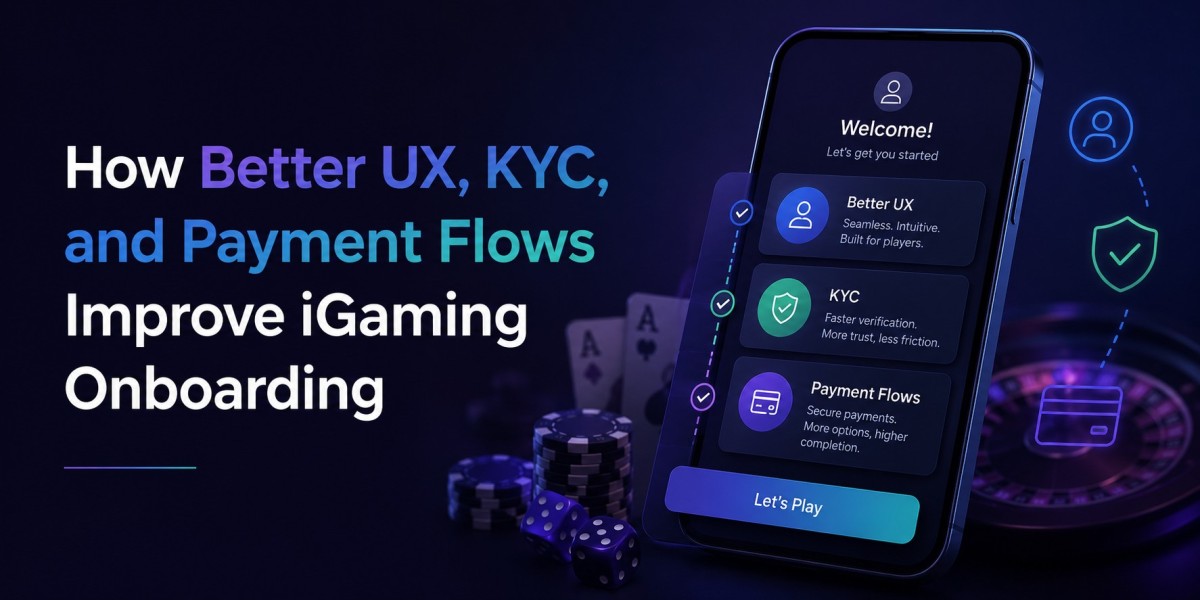

The success of any iGaming platform depends heavily on its ability to convert new visitors into active, long-term players. While operators often focus on game variety, promotions, and marketing campaigns, the onboarding experience remains one of the most critical factors influencing user retention and revenue. A well-designed onboarding journey can significantly improve registration completion rates, first-time deposits, and player engagement. As a leading casino game development company, we have observed that platforms with optimized onboarding processes consistently outperform competitors in player acquisition and retention.
Today's iGaming users expect seamless digital experiences. They are accustomed to fast-loading applications, intuitive interfaces, and frictionless transactions. If a platform creates confusion during registration, imposes unnecessary verification hurdles, or offers a complicated payment experience, users are likely to abandon the platform before placing their first bet. This is why user experience (UX), Know Your Customer (KYC) procedures, and payment flows play a crucial role in determining onboarding success.
Why Onboarding Matters in the iGaming Industry
Onboarding is more than simply creating an account. It encompasses the entire journey from registration to a player's first meaningful action, whether that is making a deposit, launching a game, or placing a bet. The first few minutes of interaction with a platform shape the player's perception of trust, usability, and value.
Research across the online gaming industry indicates that a significant percentage of users abandon platforms during the onboarding process. Common reasons include lengthy registration forms, unclear instructions, complex identity verification requirements, and failed payment transactions. Every friction point increases the likelihood of user drop-off.
By improving UX, streamlining KYC processes, and optimizing payment flows, operators can create a smooth onboarding experience that encourages users to complete registration and engage with the platform.
The Role of UX in iGaming Onboarding
User experience is often the first impression players have of an iGaming platform. A well-designed interface helps users navigate the platform effortlessly, while poor design creates frustration and uncertainty.
Simplifying Registration
One of the most effective ways to improve onboarding is to reduce the complexity of registration. Many platforms still require users to fill out extensive forms before gaining access. Long forms can discourage users and increase abandonment rates.
Modern onboarding strategies focus on collecting only essential information initially. Additional details can be requested later as users progress through the platform. This approach reduces friction and enables users to explore the platform more quickly.
Mobile-First Design
Mobile devices account for the majority of iGaming traffic worldwide. Therefore, onboarding experiences must be designed with mobile users in mind. Responsive layouts, touch-friendly interfaces, and optimized loading times contribute to a smoother registration process.
Platforms that prioritize mobile usability often see higher registration completion rates and increased player engagement compared to those relying primarily on desktop-oriented designs.
Guided User Journeys
Many new players are unfamiliar with a platform's features and offerings. Interactive tutorials, onboarding walkthroughs, and contextual prompts can help users understand how to navigate the platform and access key features.
By guiding users toward their first meaningful action, operators can reduce confusion and increase engagement during the critical initial session.
Optimizing KYC Without Creating Friction
Know Your Customer (KYC) verification is a regulatory requirement for most licensed iGaming operators. It helps prevent fraud, money laundering, and underage gambling. However, poorly implemented KYC processes are among the leading causes of onboarding abandonment.
The Challenge of Traditional KYC
Many operators require users to complete full identity verification immediately after registration. This often involves uploading documents, providing personal information, and waiting for approval before accessing platform features.
While compliance is essential, forcing users to complete extensive verification upfront can significantly increase drop-off rates.
Adopting a Tiered Verification Approach
A more effective strategy involves progressive verification. Players can initially explore the platform, browse games, and access basic features with minimal requirements. Additional verification steps are introduced when users attempt higher-risk actions such as making large deposits or requesting withdrawals.
This approach balances regulatory compliance with user convenience, ensuring that verification does not become an unnecessary barrier during the onboarding process.
Leveraging Automation
Advanced identity verification technologies can further streamline KYC processes. Automated document verification, biometric authentication, and AI-powered fraud detection reduce verification times and improve the user experience.
By minimizing manual reviews and reducing approval delays, operators can help users move through the onboarding journey more efficiently.
How Payment Flows Impact Onboarding Success
Even after completing registration and verification, users can still abandon a platform if the payment experience is not seamless. The first deposit is a crucial milestone in the onboarding process, and any issues at this stage can significantly impact conversion rates.
Offering Multiple Payment Options
Player preferences vary across different markets. Some users prefer credit cards, while others rely on e-wallets, bank transfers, prepaid cards, or local payment methods.
Providing a diverse range of payment options increases convenience and helps operators cater to a broader audience. Localized payment solutions are particularly important for platforms operating in multiple regions.
Ensuring Transaction Reliability
Payment failures are one of the fastest ways to lose user trust. If a deposit transaction fails without a clear explanation, players may assume the platform is unreliable or insecure.
Operators should invest in robust payment infrastructure that supports high transaction success rates and provides transparent error handling when issues occur.
Maintaining Design Consistency
The payment process should feel like a natural extension of the platform experience. Abrupt changes in design, unfamiliar interfaces, or redirects to third-party payment pages can raise concerns about security.
Consistent branding and a streamlined payment journey help reassure users and encourage them to complete their transactions.
The Combined Impact of UX, KYC, and Payment Optimization
While each component plays an important role individually, the greatest improvements occur when UX, KYC, and payment systems work together seamlessly.
A user who can register quickly, navigate the platform intuitively, complete verification without frustration, and make a deposit effortlessly is far more likely to become an active player. This integrated approach not only improves onboarding metrics but also contributes to higher retention rates and increased customer lifetime value.
Successful operators continuously analyze onboarding performance using metrics such as registration completion rates, verification completion rates, first-deposit conversion rates, and early retention figures. These insights help identify bottlenecks and guide ongoing optimization efforts.
Technology Partnerships Matter
Behind every successful onboarding experience is a strong technology ecosystem. Integrations with payment processors, identity verification providers, game aggregators, and backend management systems must function reliably and efficiently.
Choosing the right casino api provider is particularly important because APIs serve as the foundation for many critical platform functions, including game delivery, player account management, transaction processing, and real-time data exchange. High-performance API integrations ensure a smooth user experience while maintaining platform stability and scalability.
Conclusion
In the highly competitive iGaming market, onboarding is often the deciding factor between gaining a loyal player and losing a potential customer. A platform may offer exceptional games and attractive promotions, but these advantages become irrelevant if users encounter friction during registration, verification, or payment processes.
By focusing on intuitive UX design, streamlined KYC procedures, and reliable payment flows, operators can create a seamless onboarding experience that builds trust, reduces abandonment, and drives long-term growth. As player expectations continue to evolve, investing in onboarding optimization is no longer optional—it is a strategic necessity for sustainable success in the iGaming industry.