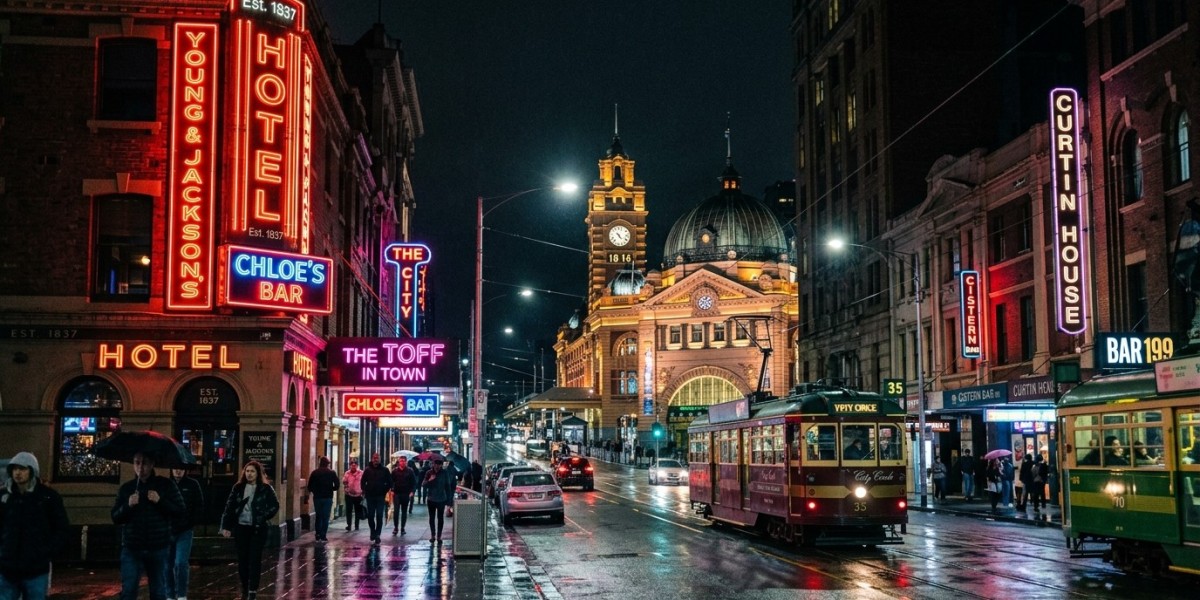

In the bustling retail landscape of 2026, the competition for attention on Melbourne’s iconic high streets has reached an all-time high. From the heritage-listed laneways of the CBD to the trendy corridors of Chapel Street and Smith Street, store owners are no longer just competing with neighboring shops; they are competing with the digital screens in every pedestrian's hand. Amidst this technological saturation, the physical storefront remains the most critical touchpoint for converting a passerby into a customer. Recent retail data indicates that 76% of shoppers enter a store they have never visited before based solely on the quality and visibility of its external signage.
For local businesses, neon signs in Melbourne have transitioned from being a retro aesthetic choice to a high-performance marketing tool. As the city continues its push toward a 24-hour economy, the ability to remain visible and inviting after the sun sets is a significant competitive advantage. Modern LED neon technology has addressed historical concerns regarding energy costs and safety, allowing boutiques, cafes, and showrooms to project a warm, luminous brand identity that cuts through visual clutter. This guide explores the strategic implementation of neon signage to maximize walk-in traffic in the current Melbourne retail environment.
The Psychology of Light and Color in Melbourne Retail
The human brain is evolutionarily hardwired to respond to light and vibrant color, especially in urban environments where visual competition is intense. In retail psychology, a neon sign acts as a "visual anchor," drawing the eye away from the grey tones of pavement and concrete. In Melbourne’s climate, where overcast days are frequent, the soft glow of neon provides a sense of warmth and invitation that flat, unlit signage cannot replicate. By choosing specific hues, retailers can trigger immediate emotional responses that influence a pedestrian's decision to pause and enter.
Colors do more than just match a brand's palette; they communicate a store's "vibe" before a customer even sees the products. For instance, warm ambers and soft whites are frequently used by Melbourne cafes to signal coziness and comfort, while high-contrast pinks and blues are favored by fashion boutiques to suggest trendiness and energy. Research into consumer behavior shows that up to 80% of brand recognition is linked to color, making the vibrant output of neon one of the most effective ways to establish a lasting impression on a local audience.
| Neon Color | Psychological Association | Best For |
| :--- | :--- | :--- |
| Warm White / Amber | Comfort, authenticity, and relaxation | Cafes, bakeries, and bookstores |
| Electric Pink / Magenta | Creativity, boldness, and youth | Fashion boutiques and hair salons |
| Deep Blue / Cyan | Trust, professionalism, and calm | Tech stores and wellness centers |
| Vibrant Red | Urgency, appetite, and excitement | Bars, bistros, and fast-fashion outlets |
| Emerald Green | Growth, freshness, and sustainability | Florists and organic grocers |
Strategic Placement for Maximum Visibility on Busy High Streets
The effectiveness of neon signs in Melbourne depends heavily on their placement relative to pedestrian flow and street geometry. In high-density areas like the CBD’s Flinders Lane or the narrow sidewalks of Fitzroy, a sign must be visible from multiple angles to capture the attention of people walking in both directions. Internal window displays that use neon are particularly effective in Melbourne because they do not require the same level of structural permits as external fixtures, yet they provide a similar level of "glow" that spills onto the sidewalk, beckoning customers inside.
Beyond the storefront, many successful Melbourne retailers are using neon as an interior "destination" feature. By placing a custom neon sign toward the back of a deep store or near a specific product range, owners can guide the customer journey through the space. In 2026, the concept of "Instagrammable" corners is more relevant than ever. A well-placed neon sign becomes a backdrop for user-generated content, meaning every walk-in customer who takes a photo and tags the location becomes a digital advocate for the brand, driving even more foot traffic through social proof.
Corner Visibility: For stores located on intersections, dual-sided neon "blade" signs capture traffic from two street fronts simultaneously.
Eye-Level Alignment: Positioning the primary neon element at eye level (approximately 1.5 to 1.7 meters) ensures it is not blocked by transit infrastructure or awnings.
Layering with Displays: Combine neon with physical window mannequins or product shelves to create a three-dimensional visual story.
After-Hours Glow: Keep neon signs active even when the store is closed to build brand familiarity with the nighttime foot traffic.
Transitioning to Sustainable LED Neon in 2026
Sustainability has become a non-negotiable factor for Melbourne consumers and business owners alike. Traditional glass neon, while beautiful, was often criticized for its high energy consumption and fragility. However, the 2026 market is dominated by LED neon, which offers the same classic aesthetic with 60% to 80% less power usage. This shift aligns with the Victorian Government’s energy efficiency standards and helps local businesses reduce their overheads while maintaining a bright storefront.
LED neon is also significantly more durable than its glass predecessor. It is constructed from flexible, flame-retardant PVC or silicone, making it resistant to the vibrations of passing trams and the occasional impact from street activity. Because LED neon does not contain mercury or argon gas and operates at a much cooler temperature, it is safer for use in high-traffic retail environments where customers might come into close proximity with the sign. This reliability ensures that the sign remains a consistent beacon for the business for years without requiring expensive specialized maintenance.
| Feature | Traditional Glass Neon | Modern LED Neon (2026) |
| :--- | :--- | :--- |
| Energy Consumption | High (runs on high voltage) | Low (typically 12V or 24V) |
| Durability | Fragile glass; prone to breakage | Highly durable flexible silicone |
| Maintenance | Requires specialized gas refills | Virtually maintenance-free |
| Heat Emission | Can become hot to the touch | Remains cool during operation |
| Lifespan | 10,000 to 30,000 hours | 50,000 to 100,000 hours |
Navigating Melbourne's Signage Regulations and Permits
Before installing neon signs in Melbourne, it is essential to understand the local council guidelines which have become more nuanced in 2026 to balance business growth with urban amenity. The City of Melbourne, for example, has specific regulations regarding "illuminated signage" to prevent light pollution in residential-mixed zones and to protect the character of heritage-listed buildings. While interior window neon signs are generally less regulated, external signs may require a planning permit depending on their size, brightness, and location.
For retailers in historic precincts like Carlton or East Melbourne, the challenge is to integrate modern branding without clashing with Victorian-era architecture. Many councils now favor "minimalist" neon designs—clean lines and single-color palettes—that complement rather than overwhelm the building's facade. It is also important to note that as part of Melbourne's commitment to becoming a 24-hour city, there are often specific "curfew" rules for signage brightness after midnight in certain precincts to ensure the comfort of local residents living in converted warehouse apartments.
Check Heritage Overlays: Determine if your building is in a heritage-protected zone before commissioning an external sign.
Lumen Control: Ensure your neon sign has a dimmer or a programmable controller to adjust brightness levels according to council requirements.
Protrusion Limits: External blade signs must adhere to strict distance limits from the building face to ensure they don't obstruct public footpaths.
Public Liability: If installing a sign over a public walkway, verify that your business insurance covers the fixture and that it meets council safety standards.
Design Trends: Custom Neon as a Brand Narrative
In 2026, the most successful retail signs are those that move beyond generic "Open" messages and instead tell a unique brand story. Custom neon signs in Melbourne are increasingly being used to display quirky taglines, brand values, or even artistic line drawings that reflect the local culture. For example, a Brunswick-based boutique might use a neon sign of a local landmark or a colloquial phrase to build a "hyper-local" connection with residents. This level of customization helps a business stand out as an authentic part of the community rather than a faceless chain.
The integration of "smart" technology has also changed how neon signs function. Many modern signs in Melbourne are now IoT-enabled, allowing owners to change the color or animation sequence via a smartphone app. This is particularly useful for retail stores that hold frequent events, flash sales, or seasonal promotions. By changing the neon's color from a standard brand white to a festive red for the Christmas season or a celebratory gold during the Melbourne Fashion Festival, stores can keep their storefront looking fresh and relevant to the current city vibe.
Typography Choices: Script fonts evoke elegance and hand-crafted quality, while bold sans-serif fonts suggest modernism and efficiency.
Minimalist Line Art: Neon is perfect for creating simple glowing outlines of products, such as a coffee cup for a cafe or a sneaker for a footwear store.
Interactive Elements: Incorporating QR codes near a neon sign allows customers to "scan the glow" to unlock exclusive in-store discounts.
3D Acrylic Backing: Using colored acrylic backing for neon signs ensures the brand message is still visible and attractive even when the light is turned off during the day.
Conclusion: Investing in the Future of Your Storefront
The decision to install neon signs in Melbourne is more than an aesthetic upgrade; it is a strategic investment in physical visibility and customer acquisition. In an era where digital marketing costs continue to rise, the one-time investment in a high-quality neon sign provides a "permanent ad" that works 24 hours a day, 365 days a year. By combining the emotional power of light with the efficiency of modern LED technology, Melbourne retailers can create an inviting atmosphere that not only attracts walk-in customers but also builds long-term brand loyalty.
As the city’s retail precincts continue to evolve into experiential hubs, the stores that succeed will be those that master the art of the "first impression." Whether you are launching a new pop-up shop in a CBD lane or revitalizing a long-standing family business in the suburbs, a custom neon sign offers the perfect blend of Melbourne's creative spirit and modern commercial strategy. By following local regulations and focusing on high-conversion design, your business can shine brightly in one of the world's most vibrant retail capitals.