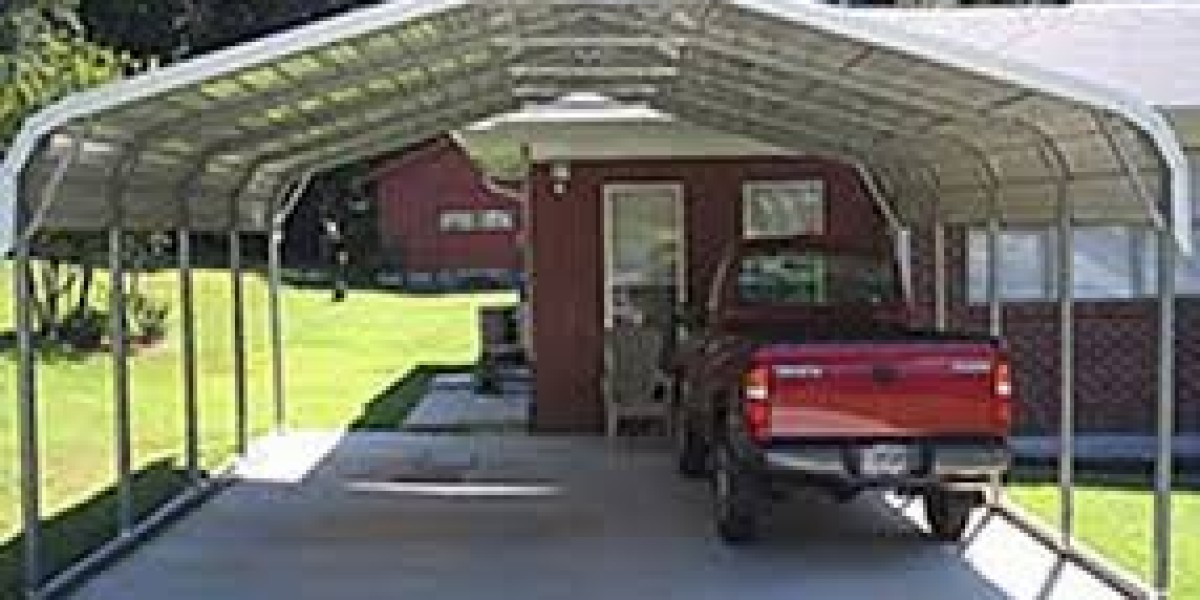

A temporary carport—often called a temp carport or portable carport—is one of the most flexible and cost-effective ways to protect vehicles from weather damage without building a permanent structure. Whether you need short-term shelter for a car, RV, boat, or equipment, temporary carports offer a practical balance between protection, affordability, and mobility.
What Is a Temporary Carport?
A temporary carport is a lightweight, non-permanent shelter structure designed to protect vehicles from sun, rain, snow, dust, and debris. Unlike permanent garages or fixed steel carports, it does not require a concrete foundation and can be assembled or dismantled quickly.
Most temporary carports consist of:
- A steel or aluminum frame
- A fabric or polyethylene canopy
- Ground anchors or stakes for stability
They are commonly used in driveways, yards, construction sites, farms, and rental properties where permanent construction is not practical.
Types of Temporary Carports
Temporary carports come in several designs depending on durability and purpose:
1. Canopy Carports (Basic Pop-Up Style)
These are the simplest models with a metal frame and fabric roof. They are easy to set up and ideal for short-term protection like events or seasonal use.
2. Garage-Style Portable Carports
These include sidewalls and zippered doors, offering better protection against wind, rain, and dust. They function like a semi-enclosed temporary garage.
3. Heavy-Duty Steel Frame Carports
Built with reinforced steel tubing and stronger covers, these are suitable for longer-term outdoor use and harsher weather conditions.
4. Dome or Curved Roof Carports
These aerodynamic designs reduce wind resistance and improve rain runoff, making them more stable in windy environments.
Key Benefits of Temporary Carports
1. Affordable Protection
Temporary carports are significantly cheaper than permanent garages, making them accessible for homeowners, renters, and businesses.
2. Easy Installation
Most models can be assembled in a few hours without professional labor or special tools.
3. Portability
They can be moved, relocated, or fully dismantled whenever needed—ideal for people who move frequently.
4. Flexible Usage
Besides vehicles, they can also be used for:
- Outdoor storage
- Equipment protection
- Temporary workshops
- Event shelters
5. No Permanent Construction Needed
No concrete foundation or major permits are usually required, making them a fast solution for immediate needs.
Limitations of Temporary Carports
Despite their convenience, temporary carports do have drawbacks:
1. Lower Weather Resistance
They are less durable in extreme winds, heavy snowfall, or storms compared to permanent structures.
2. Shorter Lifespan
Fabric covers and lightweight frames wear out faster than metal or wooden permanent carports.
3. Stability Issues
Poor anchoring or weak installation can cause movement or collapse in strong winds.
4. Limited Security
Because they are open or semi-open, they provide minimal protection against theft.
Temporary vs Permanent Carports
| Feature | Temporary Carport | Permanent Carport |
|---|---|---|
| Cost | Low | High |
| Installation | Fast & DIY | Professional required |
| Durability | Moderate to low | High |
| Mobility | Portable | Fixed |
| Weather Resistance | Limited | Strong |
| Property Value | Minimal impact | Adds value |
Temporary carports are best for short-term or flexible needs, while permanent ones are better for long-term investment and heavy weather protection.
Common Uses of Temporary Carports
Temporary carports are widely used for:
- Residential driveway parking
- Rental homes where construction is restricted
- Farm and agricultural equipment storage
- Construction sites and materials cover
- Emergency or seasonal vehicle shelter
They are especially popular where quick setup and low cost are more important than long-term durability.
Installation Tips for Better Stability
To make a temporary carport safer and longer-lasting:
- Always install on level ground
- Use strong ground anchors or concrete weights
- Tighten fabric covers properly to avoid wind flapping
- Position the structure away from strong wind corridors
- Inspect regularly for loose joints or wear
Proper installation is critical—poor setup is the main reason temporary carports fail in bad weather.
Conclusion
Temporary carports are a smart, budget-friendly solution for protecting vehicles without committing to permanent construction. They offer quick installation, portability, and flexible use, making them ideal for renters, seasonal storage, or temporary shelter needs.
However, they are not designed for extreme weather or long-term durability, so choosing the right type and installing it correctly is essential for safety and performance.
If you need a fast, affordable, and movable vehicle shelter, a temporary carport is one of the most practical options available today.