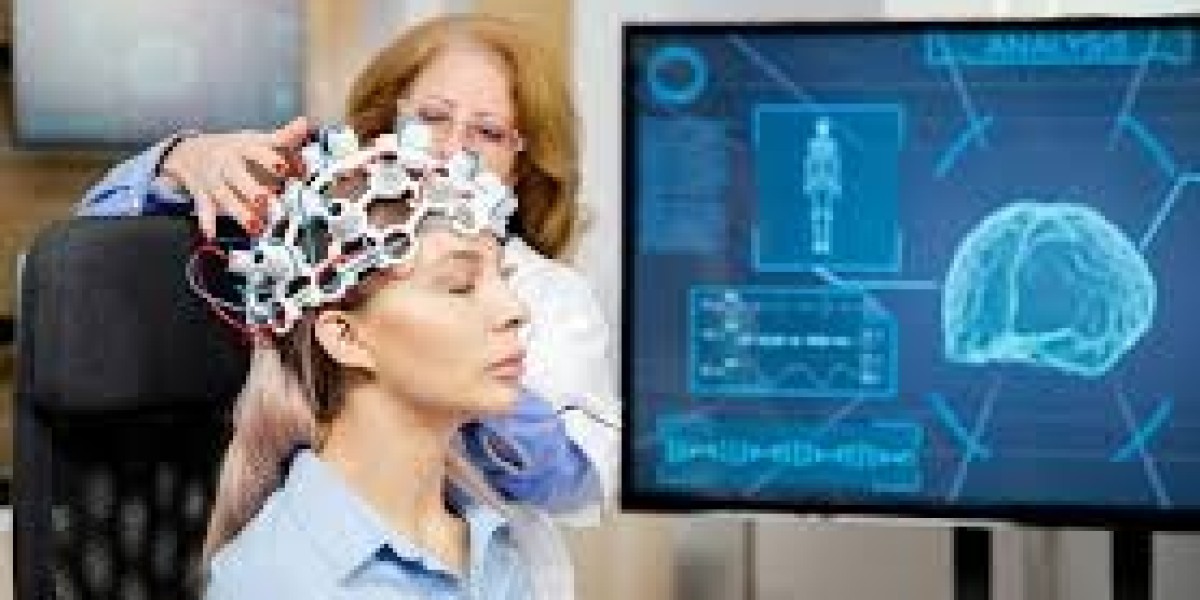
An Electroencephalogram (EEG) is a vital diagnostic tool that captures the electrical activity of your brain, helping doctors identify everything from epilepsy and sleep disorders to complex neurological changes following viral infections. As we move through 2026, the demand for neurological diagnostics has increased significantly, partly due to a heightened focus on long-term brain health and the rise of advanced, AI-integrated diagnostic tools. When you search for an "eeg test near me," you are not just looking for a location; you are looking for accuracy, reliability, and a facility that utilizes modern standards to ensure your brain waves are captured correctly.
Choosing a diagnostic center requires more than a simple price comparison. The quality of the equipment, the expertise of the technicians, and the environment of the lab all play a critical role in the "yield" of the test—the likelihood that it will actually find what is wrong. This guide breaks down the essential factors you must consider before booking your appointment to ensure you get the most out of your neurological evaluation.
1. Understanding the Different Types of EEG Procedures
Before you book, it is essential to know which specific version of the test your doctor has requested. In 2026, diagnostic labs have moved beyond basic analog systems to high-resolution digital and even wearable EEG options. A routine EEG usually lasts about 20 to 40 minutes and captures your brain activity while you are resting. However, certain conditions like focal epilepsy or specific sleep disorders might remain hidden during such a short window, requiring more intensive monitoring.
Sleep-deprived EEGs are increasingly common for patients with elusive symptoms. For this test, you are typically asked to stay awake for a full 24 hours before the appointment, as exhaustion can trigger the very brain-wave abnormalities the doctor needs to see. Additionally, video-EEG monitoring—which records your physical movements alongside your brain waves—is now the gold standard for distinguishing between epileptic seizures and non-epileptic behavioral events.
| EEG Type | Duration | Primary Use Case | Key Requirement |
| :--- | :--- | :--- | :--- |
| Routine EEG | 20–40 Minutes | General screening for seizures or brain injury. | Relaxed state, eyes closed. |
| Sleep-Deprived EEG | 1–2 Hours | Detecting abnormalities hidden by normal rest. | 24 hours of wakefulness prior. |
| Ambulatory EEG | 24–72 Hours | Capturing infrequent events in a home setting. | Wearable device (like g.Nautilus). |
| Video EEG | 4–24 Hours | Mapping seizure types with physical symptoms. | Continuous video recording in-lab. |
2. Evaluating Lab Accreditation and Technical Expertise
The reliability of your results depends heavily on the facility’s adherence to international standards. In India, the National Accreditation Board for Testing and Calibration Laboratories (NABL) is the definitive benchmark for quality. When searching for an "eeg test near me," verify that the lab is NABL accredited. This ensures that the equipment is calibrated regularly and that the facility follows strict protocols for data integrity and patient safety.
Beyond the machinery, the "human factor" is paramount. A skilled EEG technologist knows how to place electrodes precisely according to the "10-20 system" and can identify "artifacts"—external interference from muscle tension or eye movements—that could ruin a recording. In 2026, many top-tier labs also utilize AI-assisted interpretation tools to help neurologists spot subtle patterns in brain waves that might be missed by the human eye alone.
Checklist for Lab Evaluation:
NABL Accreditation: Does the lab display a current accreditation certificate?
Technologist Training: Are the technicians certified in neurodiagnostic technology?
Equipment Standard: Does the lab use 32-channel (or higher) digital EEG systems?
Neurologist Review: Is the final report signed off by a board-certified neurologist rather than just a general physician?
Hygiene Protocols: Does the lab use sterilized or high-quality disposable electrodes?
3. Essential Preparation: Beyond Just Washing Your Hair
One of the most common reasons for an "inconclusive" EEG result is poor patient preparation. If your scalp has natural oils or styling products, the electrodes will not be able to maintain a consistent connection with your skin, leading to "noise" in the data. For the most accurate "eeg test near me," you should wash your hair the night before or the morning of the test using a basic shampoo, but strictly avoid conditioners, hair creams, gels, or sprays.
Dietary choices also impact your brain’s electrical activity. Caffeine is a powerful stimulant that can mask certain slow-wave patterns, so most labs now recommend avoiding coffee, tea, energy drinks, and chocolate for at least 12 hours before the test. Unless specifically told otherwise by your doctor, you should continue taking your regular medications, but be prepared to provide the lab with a full list of everything you are currently using, as certain anti-seizure or psychiatric drugs can significantly alter brain-wave morphology.
Preparation Timeline:
24 Hours Before: Wash hair with plain shampoo; do not apply oil or conditioner.
12 Hours Before: Stop all caffeine intake (including "decaf" coffee and soda).
4 Hours Before: Eat a light meal to prevent low blood sugar, which can affect results.
At the Lab: Inform the technician of any recent illnesses or sleep changes.
4. Assessing Facility Comfort and Post-Test Care
An EEG is a painless and non-invasive procedure, but it can be stressful for some patients. The environment of the diagnostic center matters. A quiet, dimly lit room is essential for a routine EEG to ensure you can reach a state of true relaxation. If you are booking for a child, look for a center that specializes in pediatric EEGs, as they often have specialized caps and techniques to make the process less intimidating for younger patients.
Furthermore, consider what happens after the electrodes are removed. The conductive paste or gel used to attach the sensors is water-soluble but can be quite sticky. Premium diagnostic centers now offer on-site hair wash stations or amenities like warm towels and shampoo to help you clean up before you leave. This is particularly important if you are planning to head straight to work or an appointment after your test.
Questions to Ask the Facility:
Do you have a private, quiet room dedicated solely to EEG testing?
Are there facilities available for me to wash the electrode gel out of my hair afterward?
How long will the entire appointment take, including setup and cleanup?
Can a family member stay in the room with me if I feel anxious?
5. Transparency in Pricing and Report Turnaround Times
In 2026, the cost of an EEG in major urban centers like Bangalore typically ranges from ₹1,400 to ₹3,000 for a routine session. While cost is a factor, it should not be the only one. Ask for a transparent breakdown of the fees. Does the price include the neurologist's interpretation fee? Is there an extra charge for a digital copy of the raw data? Understanding the full cost upfront prevents "bill shock" at the reception desk.
The turnaround time for the report is equally critical. While a technician can show you the wavy lines on the screen immediately, a formal interpretation requires a specialist’s review. Most accredited labs provide a detailed report within 24 to 48 hours. If you are in an urgent diagnostic situation, check if the lab offers an "express" reporting service or if they can send the digital file directly to your referring doctor’s portal.
What to Expect for Your Investment:
Detailed Report: A multi-page analysis including raw brain-wave samples.
Digital Access: The ability to download your results through a secure patient portal.
Transparent Billing: A clear invoice that is eligible for insurance reimbursement if applicable.
Timely Communication: A clear expected date and time for when the results will be ready.
6. The Rise of At-Home EEG Services in 2026
A notable trend in 2026 is the expansion of "doorstep" or ambulatory EEG services. For patients with mobility issues, extreme anxiety, or those who need multi-day monitoring, having the test conducted in the comfort of your own home can be a game-changer. These services use portable, wireless headsets that provide high-quality data without the need for a hospital stay.
However, if you opt for an at-home "eeg test near me," ensure the service provider is affiliated with a reputable diagnostic center. The setup still requires a trained professional to visit your home and apply the electrodes correctly. While at-home tests offer convenience, they must still meet the same clinical standards as in-lab procedures to be considered valid by your neurologist.
In conclusion, booking an EEG is a step toward better understanding your neurological health. By prioritizing NABL-accredited labs, following strict preparation protocols, and choosing a facility that values both technology and patient comfort, you ensure that your "eeg test near me" search leads to accurate, actionable medical insights. Whether you visit a specialized center like Ecotown Diagnostics or choose a high-end portable option, your focus should always remain on the quality of the data being captured.