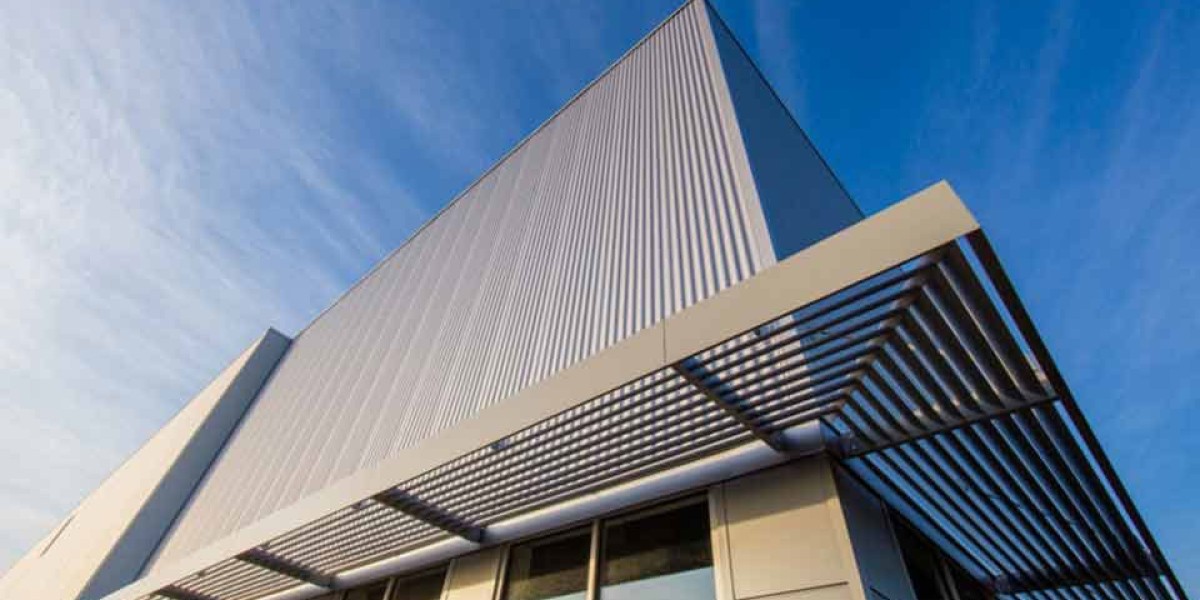

The exterior of a building does much more than create a first impression. It protects the structure from weather, contributes to energy efficiency, and plays a major role in defining architectural style. As modern construction continues to evolve, builders and architects are looking for materials that offer both performance and visual appeal. Among the most popular choices today are metal wall panels.
Metal wall panels have become a preferred exterior solution for residential, commercial, and industrial buildings because they combine durability, versatility, and modern design. They provide long-lasting protection while helping architects create clean, contemporary structures that stand out.
What Are Metal Wall Panels?
Metal wall panels are exterior cladding systems made from materials such as steel, aluminum, zinc, or copper. These panels are installed on the outer walls of buildings to provide protection against environmental conditions while enhancing the building’s appearance.
Unlike traditional exterior materials such as wood, stucco, or brick, metal panels are manufactured with precise dimensions and consistent quality. They can be customized in various profiles, colors, textures, and finishes to suit different architectural designs.
Because of their strength and adaptability, metal wall panels have become a common feature in modern construction projects worldwide.
Why Metal Wall Panels Are Becoming More Popular
Construction trends have shifted toward materials that offer long-term performance, low maintenance, and energy efficiency. Metal wall panels meet all of these requirements while providing a sleek and professional appearance.
Architects appreciate the design flexibility they offer, while property owners value their durability and cost-effectiveness. As a result, metal wall panels are now widely used in everything from office buildings and shopping centers to modern homes and industrial facilities.
Outstanding Durability
One of the biggest advantages of metal wall panels is their exceptional durability.
Buildings face constant exposure to weather conditions such as rain, wind, sunlight, humidity, and temperature fluctuations. Traditional materials may deteriorate over time, but metal panels are designed to withstand these challenges for decades.
With proper installation and protective coatings, metal wall panels can resist:
- Corrosion
- Moisture damage
- UV exposure
- Wind pressure
- Temperature extremes
This long lifespan makes them a practical investment for property owners seeking reliable exterior protection.
Modern and Attractive Design
Appearance plays an important role in modern architecture, and metal wall panels offer virtually endless design possibilities.
Manufacturers produce panels in numerous colors, finishes, and textures, allowing architects to create distinctive building exteriors. Whether the goal is a minimalist contemporary design or a bold architectural statement, metal panels provide the flexibility needed to achieve the desired look.
Popular design options include:
Flat Panels
Flat panels create clean, smooth surfaces that are ideal for modern buildings.
Corrugated Panels
Corrugated profiles add depth and visual interest while increasing structural strength.
Ribbed Panels
Ribbed designs provide texture and dimensional appeal, making them suitable for commercial and industrial projects.
Custom Architectural Panels
Many manufacturers offer custom profiles and finishes that allow architects to create unique exterior facades.
Excellent Weather Protection
A building's exterior must provide effective protection against the elements, and metal wall panels excel in this area.
Properly installed panel systems create a durable barrier that helps prevent water infiltration and structural damage. Their strength allows them to perform well in areas exposed to strong winds, heavy rain, and extreme temperatures.
Many panel systems also incorporate advanced fastening and sealing technologies that further improve weather resistance.
As a result, metal wall panels contribute significantly to the long-term durability of buildings.
Energy Efficiency Benefits
Energy efficiency has become a major focus in modern construction, and metal wall panels can play an important role in reducing energy consumption.
Many systems are installed with insulated backing materials that improve thermal performance. In addition, reflective coatings can help reduce solar heat absorption during hot weather.
These features can lead to:
- Improved indoor comfort
- Reduced heating and cooling costs
- Better energy performance
- Lower environmental impact
For property owners seeking sustainable building solutions, metal wall panels offer a practical advantage.
Low Maintenance Requirements
Maintaining traditional exterior materials can be expensive and time-consuming. Wood may require repainting and sealing, while other materials can crack or fade over time.
Metal wall panels require very little maintenance compared to many conventional cladding systems.
Routine maintenance typically involves:
- Periodic cleaning
- Visual inspections
- Checking seals and fasteners
Because metal panels resist many common forms of deterioration, they help reduce long-term maintenance expenses and minimize disruptions.
Environmentally Responsible Building Material
Sustainability is increasingly important in construction, and metal wall panels support environmentally responsible building practices.
Many metal panels are manufactured using recycled materials and can be recycled again at the end of their service life. Their long lifespan also reduces the need for replacement materials, helping minimize waste.
Additional environmental benefits include:
- Reduced resource consumption
- Improved energy efficiency
- Lower maintenance requirements
- Long-term sustainability
These advantages make metal wall panels an attractive option for green building projects.
Common Materials Used in Metal Wall Panels
Several different metals are used in wall panel manufacturing, each offering unique benefits.
Steel
Steel is one of the most commonly used materials because of its strength, durability, and cost-effectiveness.
Aluminum
Aluminum is lightweight, corrosion-resistant, and ideal for coastal or humid environments.
Copper
Copper provides a distinctive appearance and develops a natural patina over time, creating a unique architectural character.
Zinc
Zinc is highly durable and naturally resistant to corrosion, making it a premium long-term solution.
Selecting the right material depends on project requirements, budget, and desired aesthetics.
Applications of Metal Wall Panels
Metal wall panels are extremely versatile and can be used in a wide range of building types, including:
- Residential homes
- Commercial offices
- Retail centers
- Warehouses
- Manufacturing facilities
- Schools and universities
- Healthcare buildings
Their ability to adapt to different architectural styles makes them suitable for nearly any construction project.
The Importance of Professional Installation
Even the highest-quality wall panels require proper installation to achieve maximum performance.
Professional installers ensure:
- Correct panel alignment
- Secure fastening systems
- Effective weather sealing
- Proper ventilation
- Long-term structural integrity
Poor installation can reduce durability and compromise performance, making skilled installation a critical part of any project.
Future Trends in Metal Wall Panels
As construction technology continues to advance, metal wall panel systems are becoming even more sophisticated.
Future developments may include:
- Enhanced insulation technologies
- Advanced protective coatings
- Integrated solar panel systems
- Smart building materials
- Improved customization options
These innovations will continue to expand the role of metal wall panels in modern architecture and sustainable construction.
Conclusion
Metal wall panels have become one of the most innovative exterior solutions available in modern construction. They offer a powerful combination of durability, design flexibility, energy efficiency, and low maintenance.