
Reliable control systems need to be tested under different conditions before they are introduced into real-world applications. Traditional testing can sometimes require expensive equipment or complete physical prototypes. HIL Testing offers engineers another way to evaluate system behavior during development.
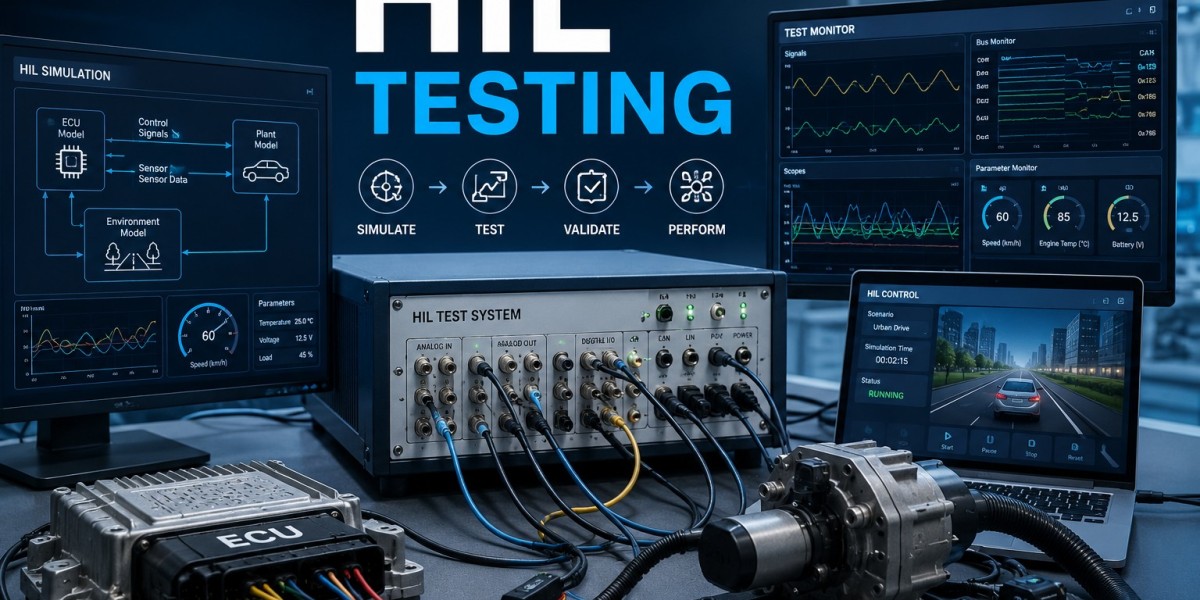
Hardware-in-the-Loop testing combines actual hardware with a computer-based simulation of the surrounding system. This allows engineers to observe how a real controller responds when it receives simulated inputs.
One useful feature of HIL Testing is the ability to repeat the same test conditions multiple times. Engineers can change parameters, introduce different operating situations, and monitor the system response without rebuilding the complete physical environment for every test.
This approach can also support earlier detection of software and control-related problems. Finding issues during development can reduce the possibility of discovering them only after a system has been deployed.
HIL testing can be particularly useful for projects involving embedded controllers, automation equipment, automotive systems, and other applications where dependable control behavior is important.
With a controlled and repeatable testing environment, HIL Testing can help engineering teams improve validation processes and gain greater confidence in their systems before final implementation.