
With the rise in worldwide concerns about environmental issues, the global maritime industry is rapidly evolving towards sustainability. Today, top shipbuilding companies are focusing on building eco-friendly vessels that reduce fuel consumption, lower carbon emissions, and improve operational efficiency. Today's ships incorporate the latest in technology, new emission reduction systems and energy-efficient engineering, which all contribute to the global environment.
Transportation by ship carries almost 90 percent of the world's trade and is one of the most significant activities in the world economy. But the conventional ships use a lot of fuel and emit bad gases in the atmosphere. The International Maritime Organization (IMO) estimates that shipping is responsible for nearly 3% of the world's GHG emissions. Therefore, green shipbuilding technologies are receiving significant attention from both government and marine industries.
Eco-friendly ships are the wave of the future as they both cut down on pollution and save on operational expenses. Sustainable marine operations are increasingly becoming a key priority for the design, construction and operation of ships globally.
Rising Demand for Green Shipping Solutions
In the world of shipping, demand for sustainability is growing year by year. Enterprises and citizens are increasingly choosing logistics and transportation that are eco-friendly. This has spurred shipbuilders to develop ships which comply with the strict international environmental standards.
According to industry reports, the world green ship technology market is poised to reach more than $20 billion by 2030. The rising energy prices, tougher emission standards and growing public consciousness of climate change are contributing to this growth.
Today, cutting-edge engineering systems, digital systems and cleaner energy are being used to enhance ship performance in modern shipyards. Green shipbuilding is not just a fashion statement, but a need for the future for the marine industry.
Advanced hull designs are key to reducing fuel consumption.
A major breakthrough in green ship design is the creation of new hull designs. The form of the hull has a direct effect on the efficiency of the movement of a boat through water. A more streamlined and efficient hull reduces drag, which lowers fuel consumption while in operation.
Today, the structures of vessels are designed with computer simulations and digital modelling software, which is used by engineers to create vessels with fuel-saving designs. Research indicates that current hull design technology can cut fuel use up to 15%.
These cutting-edge design methods are increasingly being used by ship building comapnies in UAE to enhance ship performance and minimize environmental impact. The use of fuel-efficient ships will reduce emissions and also save substantial operational costs over the lifetime of the vessel.
Optimize, improve, and integrate cleaner alternative fuel systems
One of the primary sources of pollution for marine transportation is traditional marine fuel. To address this problem, the focus is shifting towards the use of cleaner alternative fuels for modern ships, including Liquefied Natural Gas (LNG), hydrogen, methanol, and biofuels.
The potential for LNG-powered ships is nearly 99% reduction in sulfur emissions and a substantial cut in carbon dioxide emissions when compared with traditional fuel systems. Another new development is hydrogen-powered vessels for which no carbon emissions are produced during the use.
Cleaner fuel technologies are helping the maritime sector to become more sustainable. There are also many shipbuilders developing hybrid ships, which are capable of running on various fuel sources, offering increased flexibility and environmental benefits.
Smart Technology and Automation in Modern Ships
Technology is highly contributing in the development of ‘environment friendly ships'. Smart automation systems are installed in modern ships that track fuel consumption, engine performance, weather, and the navigation path in real time.
Many ships are also using AI and digital monitoring to optimize their journeys and minimize fuel consumption.Digital monitoring systems and artificial intelligence also enable ships to optimize their routes during voyages, reducing fuel consumption. This helps to minimize fuel usage and boost efficiency.
Smart voyage optimization systems have been proven to save approximately 10% in fuel usage. This advanced automation also cuts maintenance costs and enhances the overall vessel safety.
In the same way, firms such as VU Marine are helping to drive sustainable maritime development by emphasizing modern engineering solutions that will enable more sustainable and smart marine operations.
Lightweight Materials for Sustainable Shipbuilding
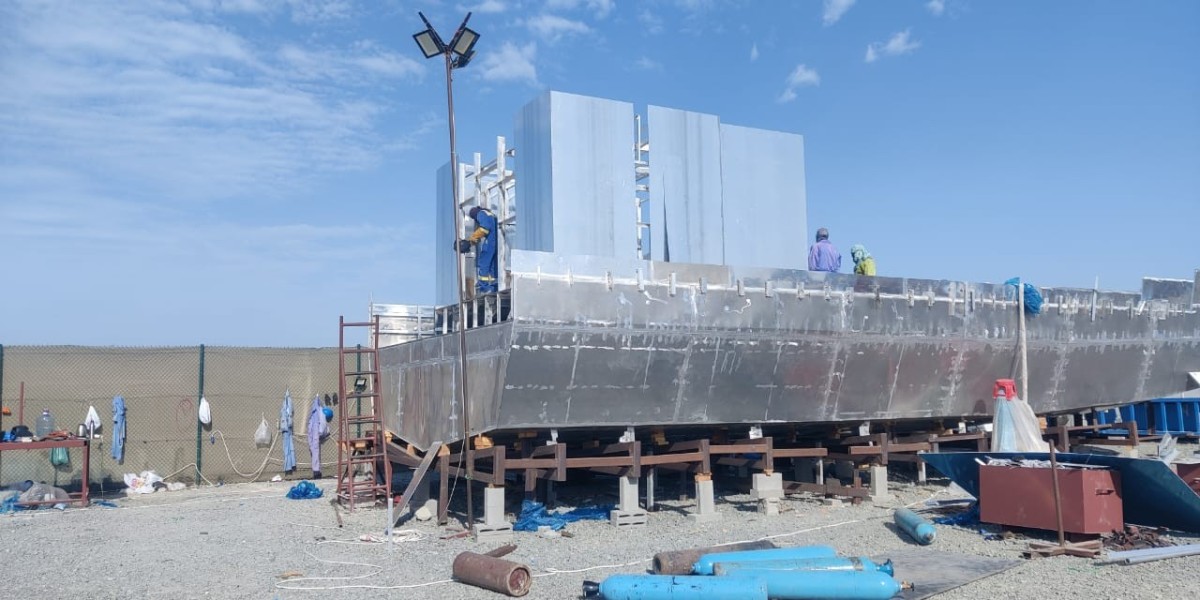
With progress in modern ship construction, lightweight materials are increasingly being utilized to enhance the efficiency of the ship. Traditional steel ships have high strength and weight, they consume more fuel. New eco-friendly ships are frequently made of aluminum alloys and recycled metals and composites, which helps to decrease the total weight of the ship.
Lighter ships are less expensive to run, resulting in smaller fuel bills and lower levels of emissions. Aluminum vessels are particularly popular due to their corrosion resistance, durability and fuel efficiency.
Sustainable materials also contribute to environmentally friendly production processes. Recycling of old ship components and reduction of industrial waste is now a common practice in ships yards today.
Integrating renewable energy in ships.
Renewable energy is taking a significant role in shipbuilding that is environmentally friendly. To lessen the reliance on fossil fuels, many modern ships are now fitted with solar panels, battery systems and techniques to harness wind power.
Onboard lighting, onboard communication, and other auxiliary systems can be powered by solar energy systems. Rotor sails and automated kite propulsion can increase fuel efficiency on long voyages.
Maritime research studies show that wind-assisted technologies can cut fuel consumption by 5% to 20% depending on weather conditions and type of vessel. The shipping industry is turning more sustainable with these Renewable Energy Solutions.
International Environmental Regulations Driving Innovation.
Another significant driver of the growth of eco-friendly shipbuilding is the stringent international environmental laws. In 2020, IMO established a global cap on the sulphur content of marine fuels, which went from 3.5% to 0.5%.
The regulations placed a requirement on the shipping companies and shipbuilders to develop cleaner fuel system and advanced emission control technology. The world's governments are also providing incentives for investments in green marine facilities.
In today's context, marine services in UAE are increasingly striving for sustainable marine operation through emphasis on energy efficient technologies and environmentally responsible vessel management practices.
Energy-Efficient Engines and Propulsion Systems
The new ships using environmentally friendly technologies are built with engines and advanced propulsion systems, which consume less fuel and ensure optimal ship performance.
More and more technologies like air lubrication systems, optimised propellers, and waste heat recovery systems are starting to be used in contemporary ships. Air lubrication systems generate minute bubbles under the ship's hull to minimise friction between the ship and water. This can help increase gas mileage by almost 10%
Energy-efficient systems, such as LED lighting, automated power control, and smart cooling systems, are also used to cut energy use on board.
Sustainable Manufacturing Practices
Cleaner ships are not the only part of eco friendly shipbuilding: Shipbuilding also has to be eco friendly. Numerous shipyards are cutting waste, recycling materials, and employing coatings that are environmentally friendly for shipbuilding.
In addition, modern ship builders are also pouring money into developing energy-saving factories and digital manufacturing technologies that help to cut down industrial pollution.
Sustainability is being exploited to help ship manufacturing companies in UAE that produce ships become more efficient in their production and adhere to international environmental regulations. Green Production in the future maritime industry is becoming a major component.
The Future of Eco-Friendly Shipbuilding
Innovation and sustainability will play a significant role in the future of the shipbuilding industry. But fully electric ships, green autonomous ships and hydrogen-powered marine transportation systems are expected to be more widespread in the future.
Despite the ongoing technological developments, global investment in green shipping technologies is still on the rise, particularly as countries strive to cut carbon emissions and reach climate targets.
Eco-friendly ships are now contributing to the transformation of global trade through their ability to minimize pollution, enhance fuel efficiency, and promote a cleaner transportation system. Companies such as VU Marine are helping to drive this change towards advanced marine engineering and sustainable marine construction.
Conclusion
Green shipbuilding is revolutionizing the shipping sector in many significant ways. Modern ships are cleaner, safer, and more efficient, with advanced hull designs, lightweight materials, and renewable energy systems.Modern ships are equipped with advanced hull designs, lightweight materials, renewable energy systems, and smart automation, making them cleaner, safer, and more efficient.
With increased sustainability requirements and the push for sustainable transportation, the marine industry will invest in new technologies and innovative vessel designs. Eco-friendly ships are not just addressing environmental concerns, they are shaping a more efficient shipping and maritime future.